Portuguese
  Spanish


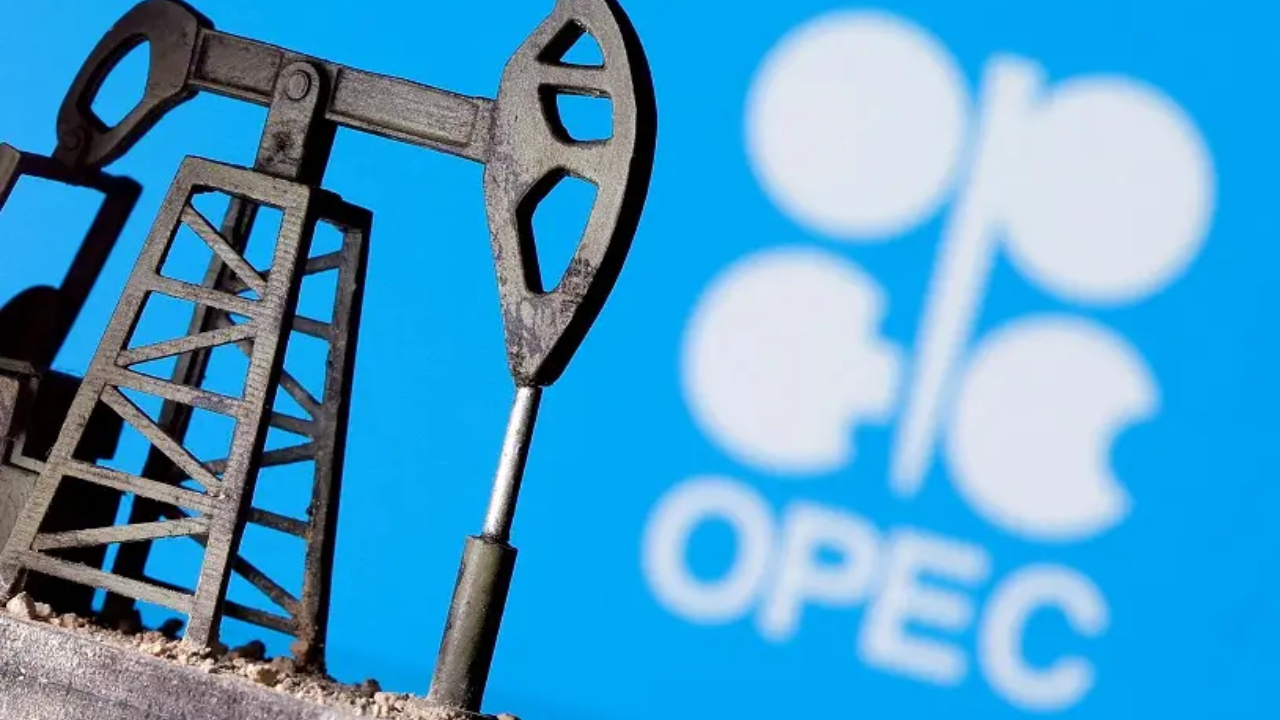

OPEC+ Denies Rumors About Increasing Oil Production and Maintains Uncertainties in the Market. Meeting of Eight Major Producers, Including Saudi Arabia and Russia, Will Be Crucial to Define the Next Steps of the Cartel.
OPEC+ rejected on Tuesday (30) information reported by the international press about a supposed agreement to again increase oil production. In an official statement shared on social media, the cartel labeled the reports as “completely inaccurate and misleading,” emphasizing that the issue has not yet been formally discussed.
This stance comes just before a crucial meeting scheduled for next Sunday (5). The meeting will bring together eight of the group’s main producers: Saudi Arabia, Russia, Iraq, United Arab Emirates, Kuwait, Kazakhstan, Algeria, and Oman.
Expectations for the Meeting and Recent Impacts on the Market
The meeting holds significant importance because, in September, these countries had already agreed to increase production by 137,000 barrels per day, in a strategy considered more aggressive to compete for market share globally. The possibility of a new expansion, estimated at up to 500,000 barrels/day — even if denied by OPEC+ — has been putting pressure on prices in recent days.
-
With a record production of nearly 3 million barrels per day, Petrobras resumes importing diesel in July, highlighting the bottleneck in Brazilian refining.

-
Qantas and Airbus Invest in Company Aiming to Convert Unsorted Household Trash into Jet Fuel

-
Brazil’s ANP Opens 86 New Oil Blocks in the Equatorial Margin, Expanding the Amazon River Mouth Frontier

-
OPEC+ Boosts Oil Supply by 188,000 Barrels per Day in July 2026, Leading to Price Drop from $112 to $89 per Barrel in Under Two Months

On Tuesday (30), even with the cartel’s official statement, Brent crude oil for December fell 1.58%, decreasing by US$ 1.06 and closing at US$ 66.03 per barrel.
Geopolitics and Price Volatility
In addition to OPEC+ movements, external factors also contributed to a temporary relief in prices. The United States’ proposal for a ceasefire in the Gaza Strip, announced by then-President Donald Trump, brought some respite to international tensions.
However, analysts warn that the drop may be short-lived. According to consulting firm Rystad Energy, oil prices will remain highly sensitive to global geopolitical tensions, particularly due to the war between Russia and Ukraine and U.S. pressure for Europe to reduce imports of Russian energy.
Russia Expands Restrictions and Worries Investors
Russia itself, one of the most influential members of OPEC+, announced on Tuesday new restrictions on the export of gasoline and diesel. The measure came after Ukrainian attacks on the country’s infrastructure and raised doubts about Russia’s ability to maintain fuel flows to other markets.
According to Bruno Cordeiro, market intelligence analyst at StoneX, this decision raises immediate concerns:
“The decision made by Moscow, although aimed at small exporters, escalates concerns among investors regarding Russia’s ability to maintain diesel flows to other regions of the globe, creating expectations of a tighter global balance in the short term.”
Meanwhile, the market is observing cautiously. The meeting next Sunday will be crucial in defining the direction of OPEC+, which is trying to balance its strategy between defending prices and gaining greater market share. The message, for now, is one of caution: negotiations are just starting, and the final decision on cuts or increases in production has not yet been made.