






 Portuguese
  Spanish
  3 min of reading
  0 comments


Solar Expansion in the Middle East Is Expected to Exceed 140 GW by 2030 and Transform the Region into a Strategic Industrial Hub.
The Middle East is rapidly establishing itself as a new epicenter of the global solar energy industry.
According to a recent report by consulting firm Wood Mackenzie, countries in the MENA region (Middle East and North Africa) are significantly expanding their solar panel production capacity, taking advantage of reduced import tariffs in the United States and high domestic demand.
The expectation is that by 2029, photovoltaic module manufacturing will reach 44 gigawatts (GW), with installations accumulating over 140 GW by 2030.
-
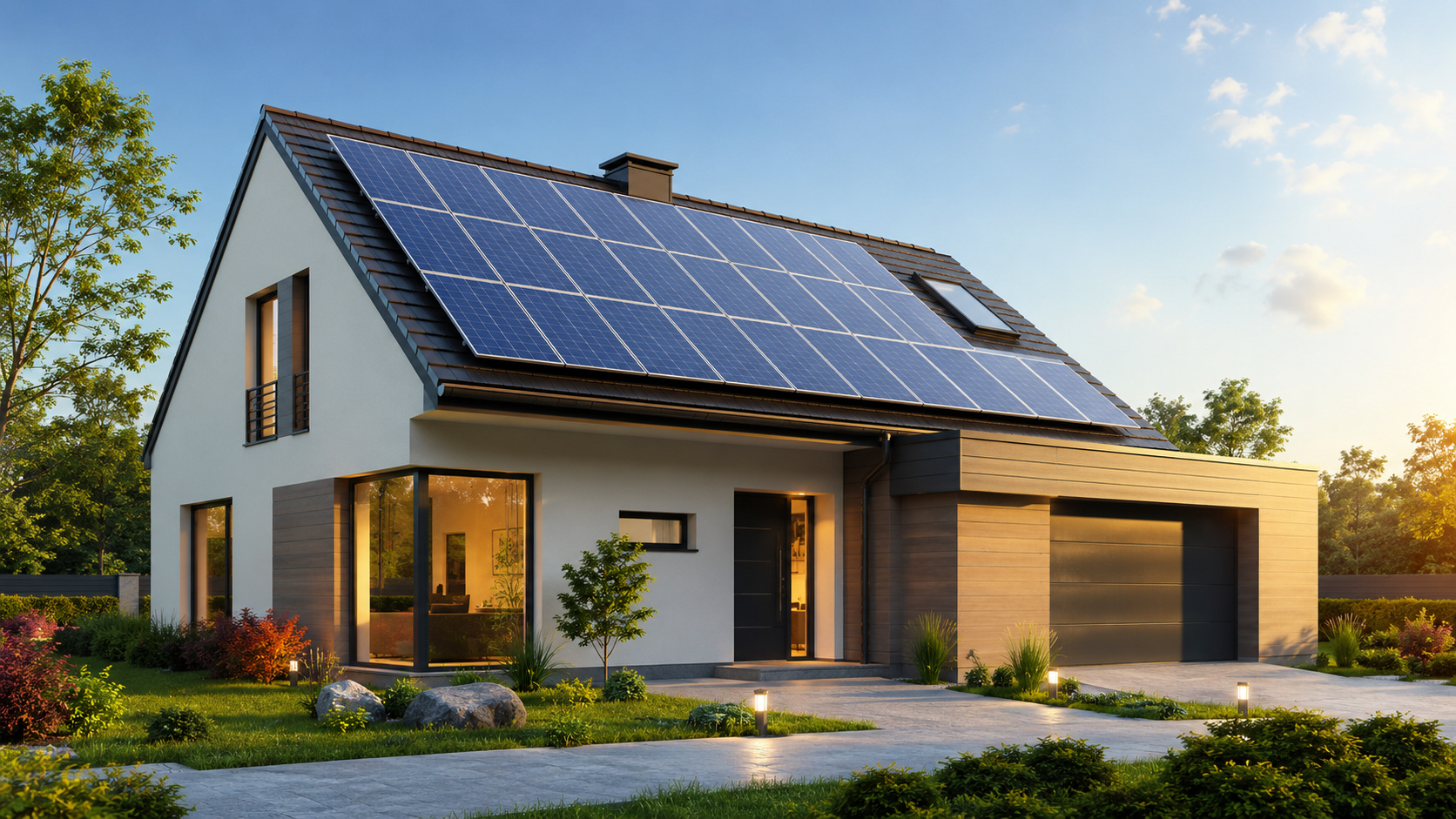
Solar energy can increase property value by up to 10% and become a selling point.

-
Solar and wind energy surpass natural gas for the first time in the world and accelerate energy revolution

-
Africa has about 500,000 cell towers and most still burn diesel to operate, while companies rush to cover antennas with solar energy and avoid signal blackouts.
-
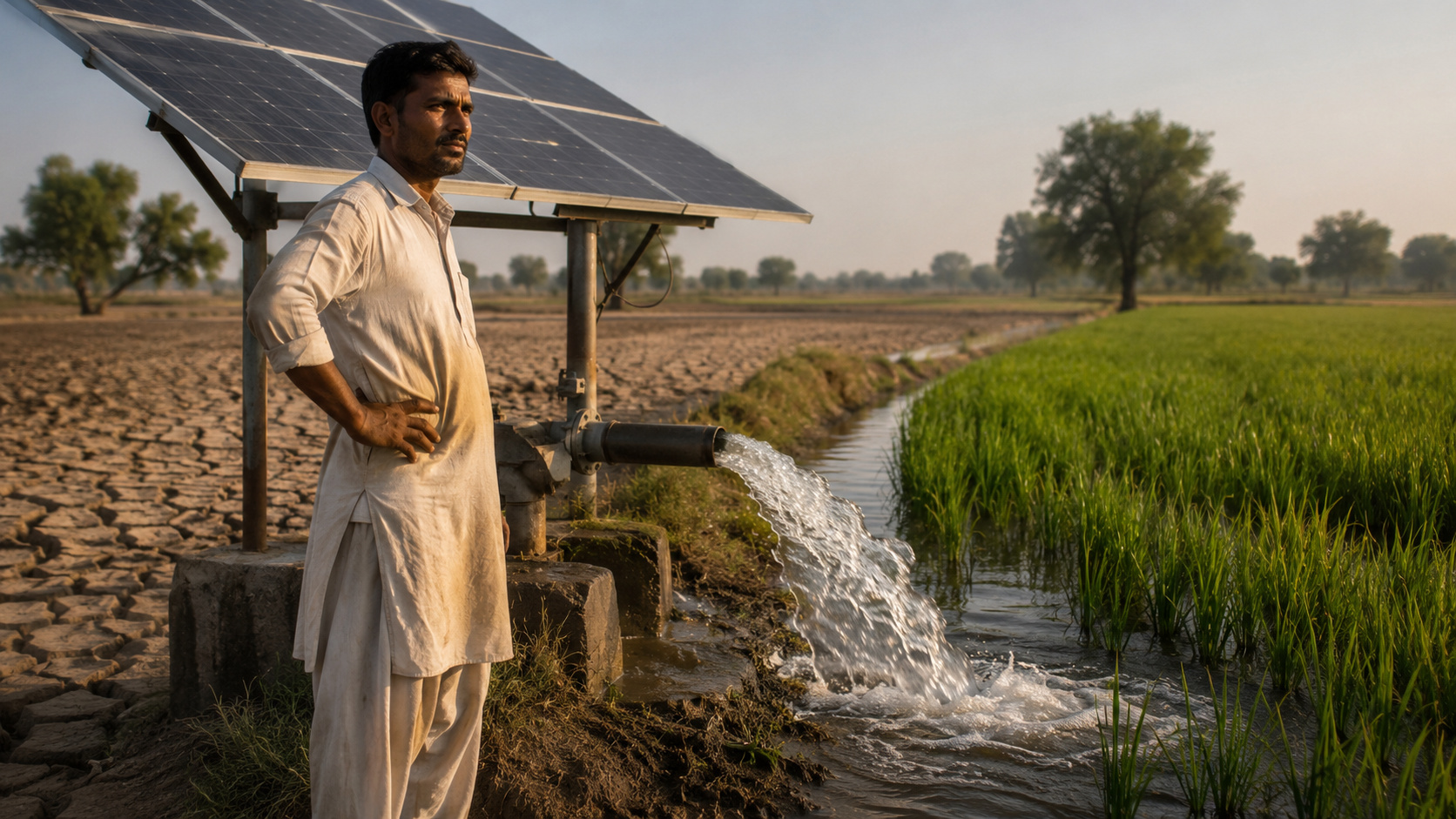
Farmers swapped diesel for solar panels in Pakistan, powered irrigation pumps almost cost-free, expanded rice fields, and now groundwater has become a red alert in the countryside.


This movement positions the region as a strong contender to replace Southeast Asia as the leading exporter of solar modules to the North American market, driven by aggressive industrial policies and trade incentives.
Chinese Model Inspires Integrated Production Structure
In response to growing demand, the MENA region is adopting a vertically integrated solar energy production model, inspired by China’s successful approach.
This format, which encompasses the entire production chain—from raw materials to final manufacturing—aims to ensure self-sufficiency and competitiveness.
According to Wood Mackenzie’s senior analyst Yana Hryshko, “the vertically integrated and competitive approach, supported by the most modern technology, sets the region apart from the more fragmented strategies we have seen in markets like the U.S., India, and Southeast Asia.” The consultancy projects that by 2026, the region will achieve self-sufficiency in solar panel production.
Middle East Becomes a “Tariff Paradise” for Solar Export
Another decisive factor for the region’s success in solar energy is the tariff advantage offered by the U.S. market. With only 10% import tax on solar modules, countries in the Middle East easily outperform competitors facing tariffs over 600%.
“This tariff advantage is a game changer for the Middle East, as it allows the region to offer the most competitive photovoltaic modules for the U.S. market. As a result, the MENA will replace Southeast Asia as the main exporter to the North American country, potentially reshaping global trade flows in the sector,” emphasized Hryshko.
Partnerships with Chinese Companies Drive Industrial Expansion
With strong public support, the solar energy expansion in the Middle East is also being driven by local content policies and strategic alliances with Chinese companies. It is estimated that by 2028, these companies will account for 85% of regional production capacity.
Saudi Arabia is leading the charge, with local content targets aiming for jumps of 40%-45% by 2028 and 75% by 2030. To support this growth, governments in the region have created special economic zones that facilitate operations and reduce logistical costs.
“Partnerships with Chinese companies not only bring capital but also expertise and technological transfer. This will accelerate the region’s rise in the global photovoltaic solar industry,” reinforced Hryshko.
Gulf Countries Invest in Solar Hubs and Attract Global Giants
In addition to Saudi Arabia, the United Arab Emirates, Oman, and Egypt are also at the forefront of the energy transformation. All have taken steps to attract international manufacturers and foster integrated solar industrial hubs.
With aggressive public policies, free trade zones, and tax incentives, the Middle East is strengthening its position as one of the most promising markets for solar energy—not only as a consumer but also as a leading global producer by the end of the decade.







Be the first to react!