Portuguese
  Spanish


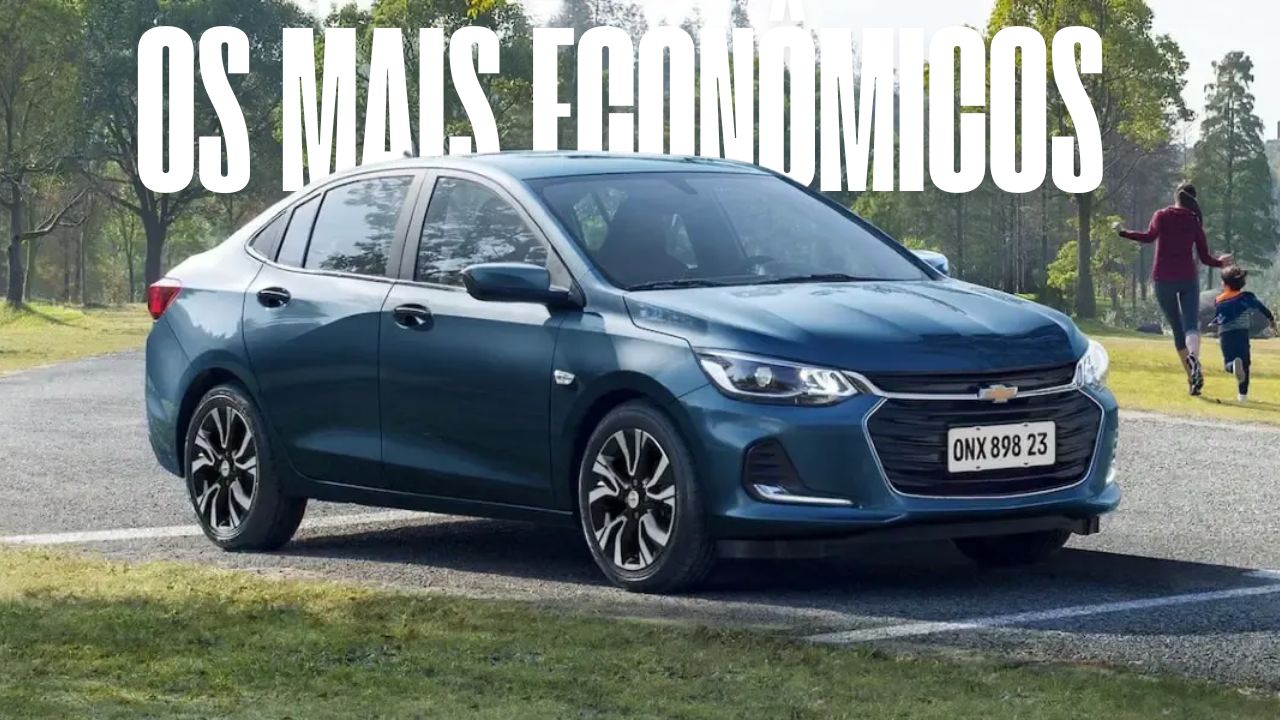

The Cars That Save The Most Fuel And Reduce Costs In 2025, According To The PBEV Of Inmetro. See Which Vehicles Are The Most Efficient, With Detailed Consumption And Performance Comparison!
With the constant rise in fuel prices, energy efficiency has become a crucial factor in choosing a new vehicle. The Brazilian Vehicle Labeling Program (PBEV) from Inmetro provides a detailed rating of cars available in the market, helping consumers make informed decisions. In 2025, this assessment covers 1,174 models and versions from 38 brands, ranking them from “A” to “E” in terms of efficiency.
The PBEV ranking focuses exclusively on models powered by fossil fuels, excluding hybrid and electric vehicles. Efficiency is measured in megajoules per kilometer (MJ/km), with lower values indicating more efficient cars. This article presents the most fuel-efficient cars in Brazil for 2025, highlighting their features and consumption.
The Most Fuel-Efficient Cars Of 2025
1. Renault Kwid – 1.36 MJ/km
-
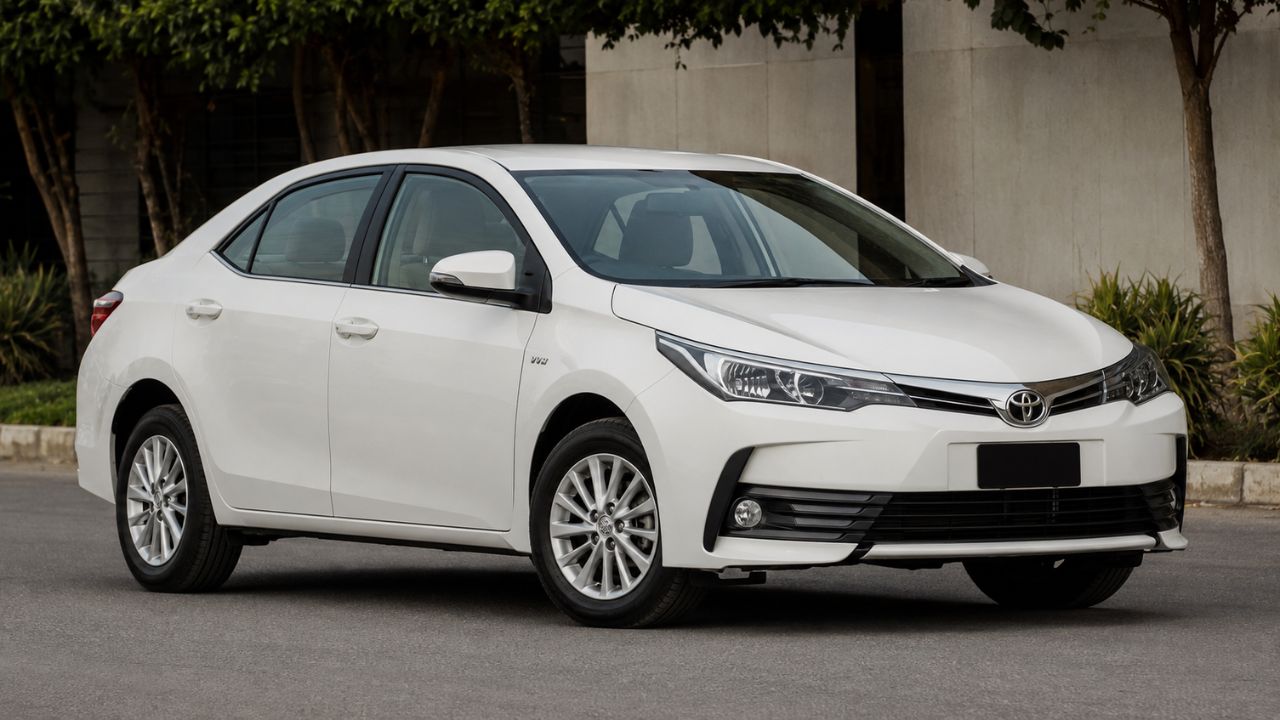
Toyota Corolla GLi Upper 2019: Affordable Sedan with Spacious Trunk, 1.8 Flex Engine, CVT Automatic, and Seven Airbags Offers Comfort and Safety

-
Hyundai Elantra 2026 Returns with AI, Digital Cabin, and i20-Inspired Design Transformation

-
Jeep Avenger 2027 Unveiled with Hybrid Engine, New Technology, and Estimated Price for Brazilian Market
-
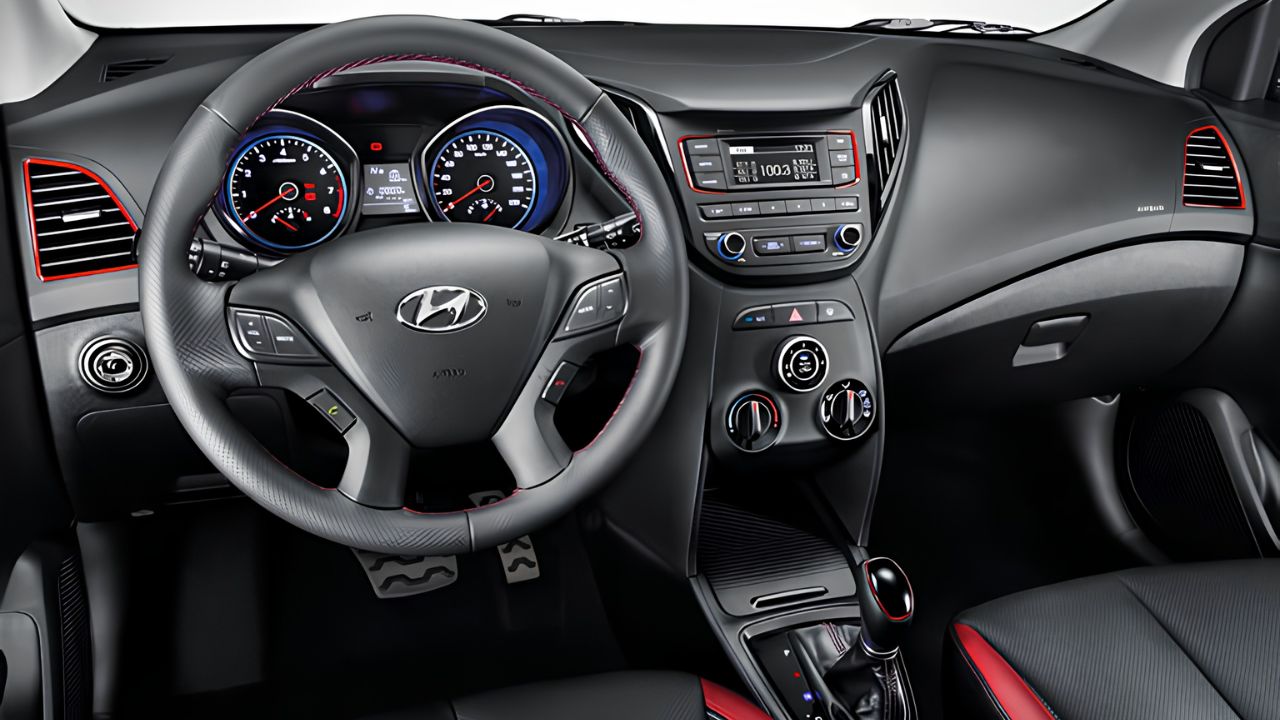
Hyundai HB20 R spec and Sport: Affordable Hatchbacks with Sporty Design and Performance Starting at $11,000


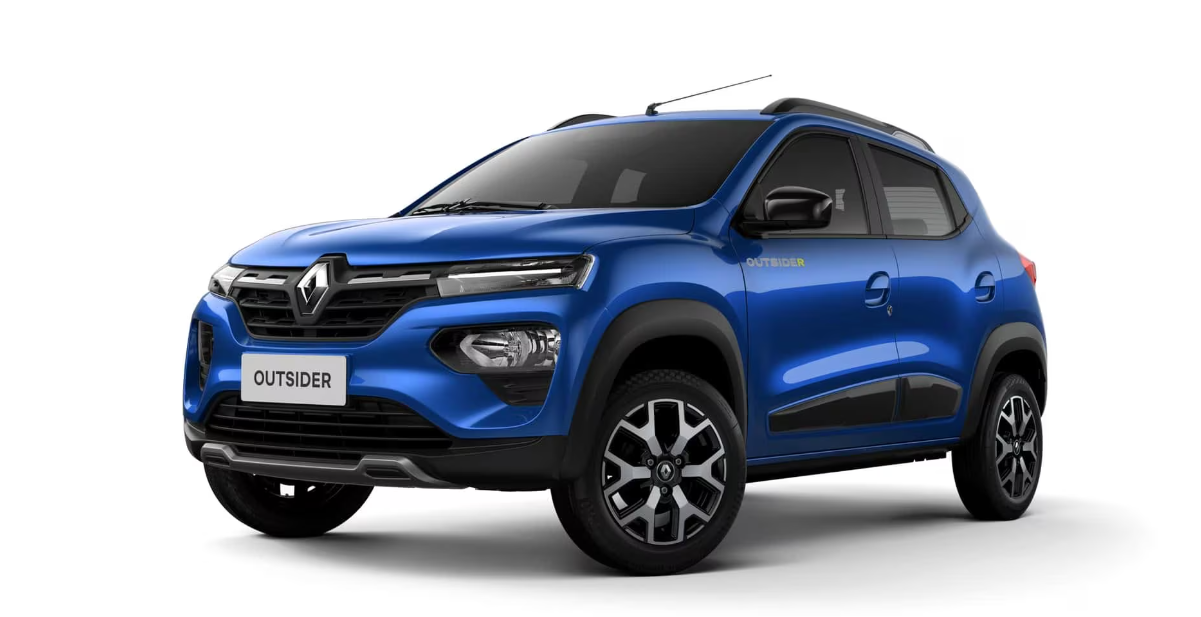
The Renault Kwid continues to lead the energy efficiency ranking in Brazil. The model stands out in the Zen, Intense, and Outsider versions, all equipped with a 1.0 flex SCe three-cylinder engine. Its consumption in the city is 10.8 km/l with ethanol, making it an excellent choice for those seeking savings.
2. Chevrolet Onix Plus – 1.39 MJ/km
The Chevrolet Onix Plus occupies the second position among the most fuel-efficient cars, being a sedan known for its balance between performance and consumption. Equipped with a 1.0 flex three-cylinder engine, it has a consumption of 9.6 km/l in the city with ethanol.
3. Chevrolet Onix – 1.41 MJ/km
The hatch version of the Onix also ranks among the most fuel-efficient. Sharing the same engine as the Onix Plus, its consumption is similar to that of the sedan, ensuring an efficient option for consumers.
4. Volkswagen Polo TSI – 1.45 MJ/km
The Volkswagen Polo TSI stands out for its turbo engine, which balances power and efficiency. Its controlled consumption places it among the best in the ranking.
5. Peugeot 208 – 1.47 MJ/km
The Peugeot 208 emerges as an economical alternative with an attractive design. It is one of the cars that boasts good energy efficiency, making it a viable option for those seeking savings.
6. Fiat Cronos – 1.47 MJ/km
The compact sedan from Fiat offers good internal space coupled with fuel economy. The Cronos positions itself as a smart choice for those needing a car for daily use.
7. Volkswagen Polo – 1.48 MJ/km
The conventional version of the Polo also stands out in the ranking, just behind the TSI model. It offers efficient consumption for those looking for a modern and reliable hatchback.
8. Hyundai HB20 – 1.49 MJ/km
The Hyundai HB20 remains one of the best-selling cars in the country, and its updated version in 2025 maintains efficiency and economy as strong points.
9. Hyundai HB20S – 1.49 MJ/km
The sedan version of the HB20 has similar performance to the hatch, making it an economical option for those preferring a model with a larger trunk.
10. Fiat Mobi – 1.50 MJ/km
Closing the ranking, the Fiat Mobi is ideal for those wanting a compact and extremely economical car, especially for urban use.
How Energy Efficiency Affects Fuel Consumption?
Energy efficiency is a fundamental factor in fuel savings. Small differences in the PBEV rating can lead to significant impacts on daily expenses. Models like the Fiat Mobi (1.50 MJ/km) and the Hyundai HB20S (1.49 MJ/km) demonstrate how a slight adjustment can make a difference in the consumer’s wallet.