






 Portuguese
  Spanish


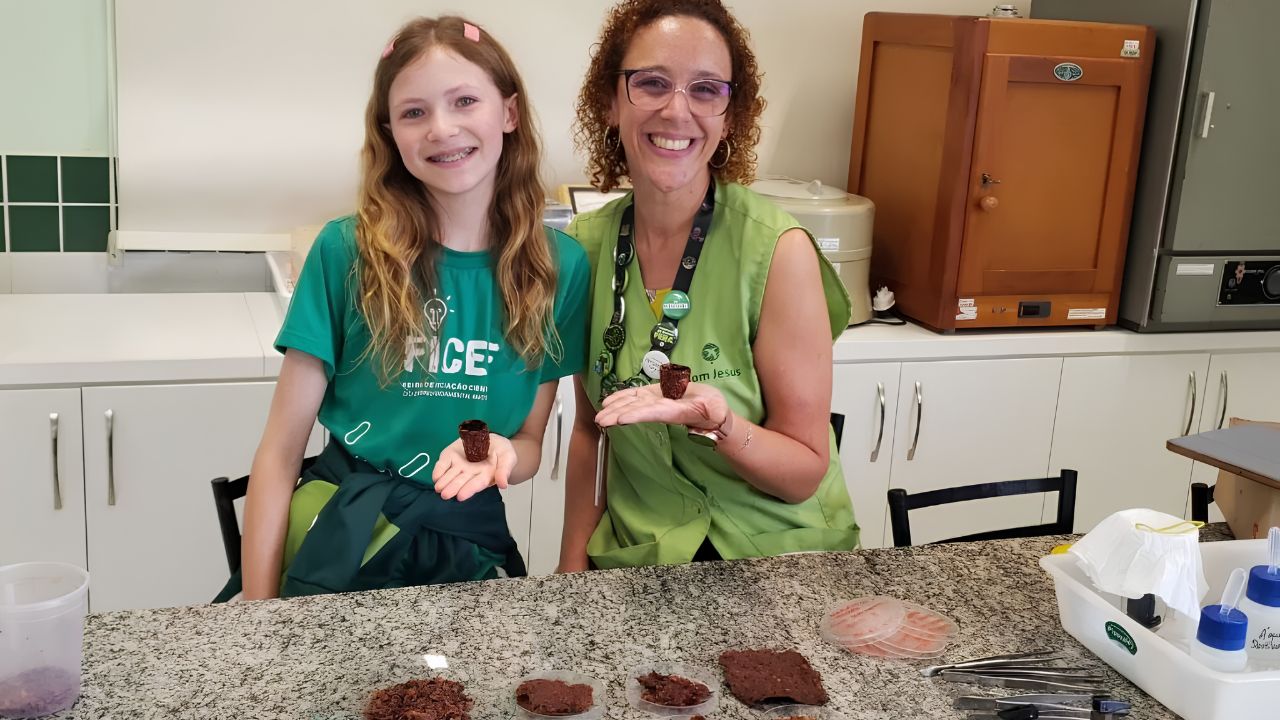

Biodegradable pine nut cups created by a student from Curitiba store hot or cold drinks and degrade in up to five weeks.
A student in the 6th grade found a new use for a common waste in the winter of Southern Brazil. Maria Clara Badin Salvalaggio used seed shells to develop biodegradable pine nut cups, capable of holding hot or cold drinks and decomposing in up to five weeks after disposal.
The project was carried out during the Scientific Initiation classes at Colégio Bom Jesus Divina Providência, in Curitiba, Paraná. The proposal arose from the student’s concern with the use of plastic cups and also the desire to utilize a material discarded in large quantities during the pine nut consumption season.
The experiment resulted in 50-milliliter containers and won third place in the “Earth” category of the Elementary School Scientific Initiation Fair at Colégio Bom Jesus, held in 2024.
-
Chinese Robot Dog Equipped with Wheels Can Cross Rivers, Ice, and -30°C Cold, Aiding in Power Grid Inspections and Disaster Areas

-
Researchers Develop “Electronic Nose” to Detect Spoiled Food and Allergen Traces

-
Massive Leak Puts iPhone 18 Pro in Spotlight Months Before Launch as Hackers Release Over 200,000 Confidential Apple Documents

-
Ghost Particle Travels Billions of Years Through Deep Space, Detected in Antarctic Ice, Leads Scientists to Hidden Galaxy 11 Billion Light-Years Away


Idea arose from concern with plastic cups
Maria Clara frequently observed people consuming water and coffee in disposable containers. The time it takes for plastic to disappear from nature led the student to seek an alternative made with biodegradable materials.
“I always saw people drinking water or coffee in plastic cups and I never liked it, because I know these materials take a long time to decompose in nature,” she stated.
According to the student, the difference in degradation time was one of the main reasons for developing the product. “The pine nut cup will take a maximum of five weeks to degrade. Plastic takes years,” she explained.
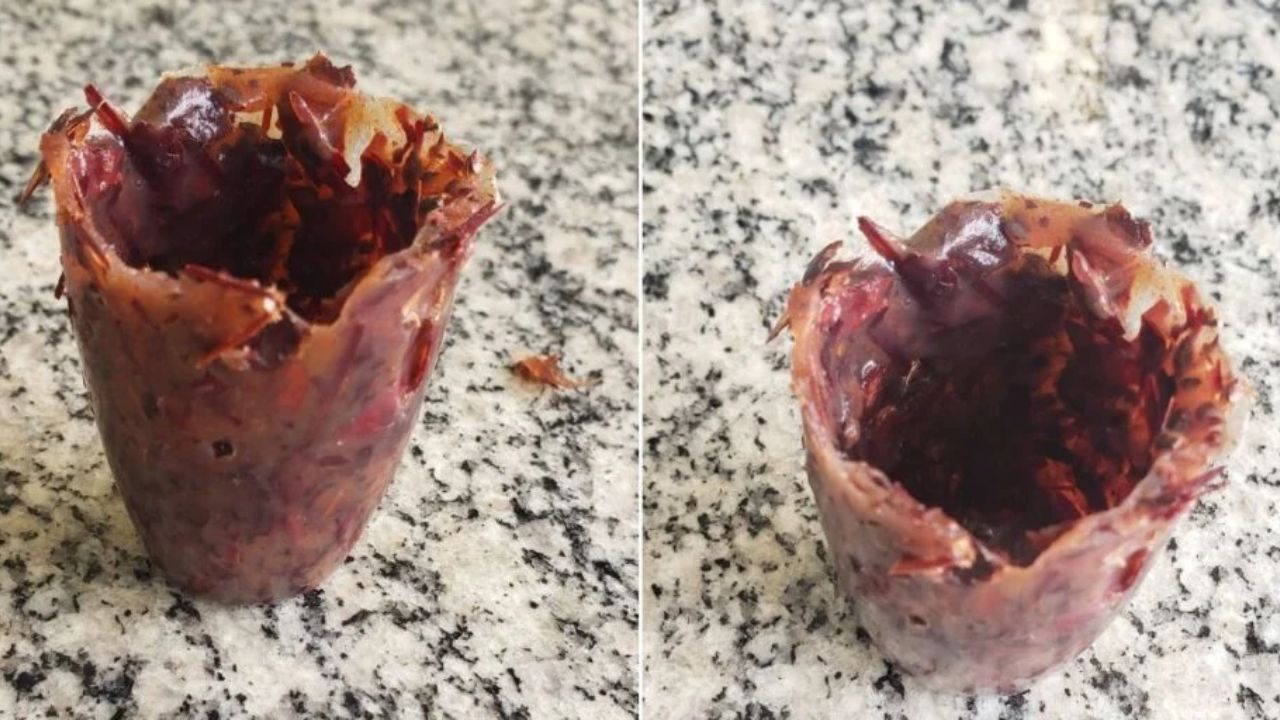
The choice of raw material is also related to the regional reality. Pine nuts are consumed in abundance during the cold months, especially in the South of the country, where the araucaria is native and holds strong symbolic value.
With the increase in consumption, the amount of discarded shells also grows. It was in this waste that Maria Clara saw the possibility of creating a new material.
Biodegradable pine nut cups hold coffee, tea, and water
The developed containers have a capacity of 50 milliliters and can hold liquids at different temperatures.
Professor Daniele Cecilia Ulsom de Araújo Checo, the project advisor, explained that the fibers of the pine nut have thermal insulation properties. This characteristic helps to maintain the temperature of beverages like coffee and tea.
According to the professor, the correct treatment of the fibers also eliminates odors that could interfere with the stored liquid. Thus, the material of the container does not alter the taste of the beverage.
The combination of heat resistance, thermal insulation, and rapid decomposition made it possible to produce a cup that fulfills its function without remaining in the environment for years after being discarded.
Recipe combines shells, seeds, and biodegradable materials
To achieve the composition of the biodegradable pine nut cups, Maria Clara prepared a mixture with glycerin, gelatin, agar-agar, water, and vinegar. The formula also included seeds, among them parsley and rosemary.
The ingredients are heated, and after preparation, the material is placed in a porcelain mold available in the school’s laboratory. The vinegar acts as a preservative within the composition, as explained by the student.
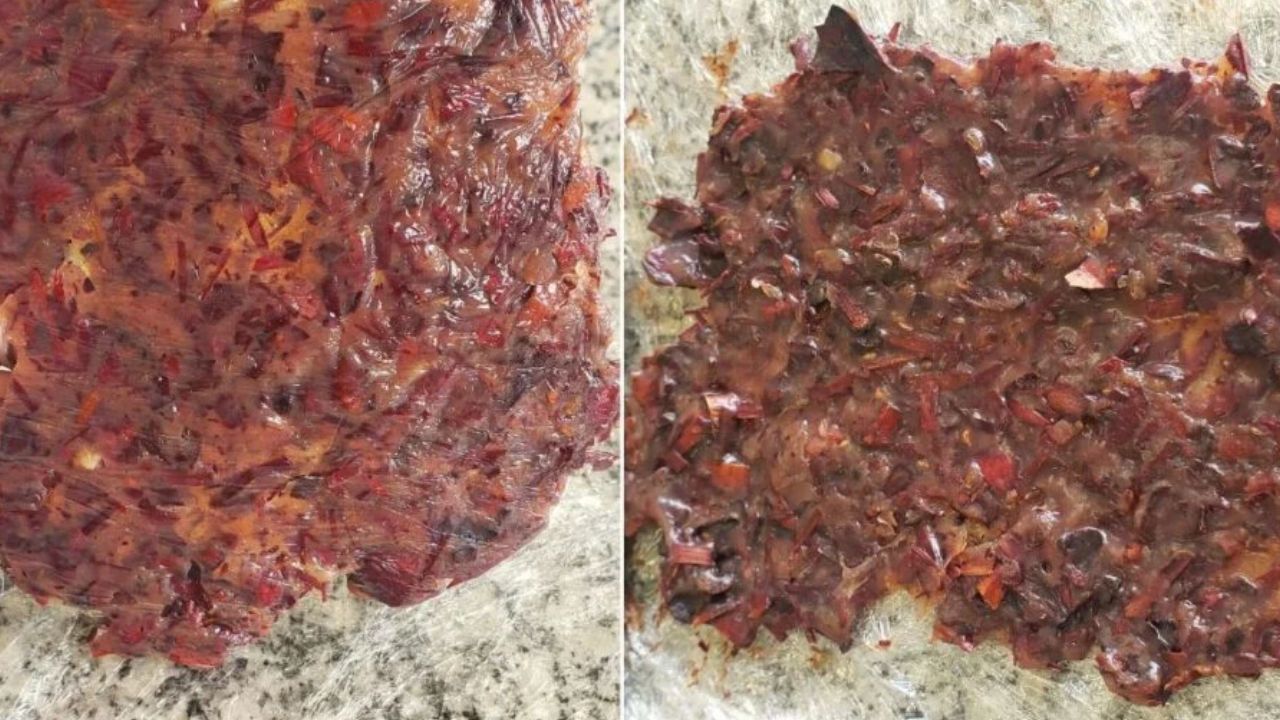
The presence of the seeds also expands the future possibilities of the project. Maria Clara intends to refine the bioplastic and test its association with other plant species.
Result required different tests in the laboratory
The container presented at the science fair did not emerge on the first attempt. Daniele Checo mentioned that the student experimented with different combinations before defining the formula. Among the tests, other seeds and versions prepared without vinegar were evaluated.
“She also conducted research at the school itself on the use of plastic cups, and also researched the use of other materials, such as banana peel, for example,” reported the professor. The steps helped Maria Clara understand which components gave resistance to the container and what changes were necessary to preserve the mixture.
The work also included studies on the decomposition of materials, the characteristics of plastic, and the behavior of certain substances when exposed to higher temperatures. This investigation was necessary because the cups needed to withstand not only cold drinks but also hot liquids.
The development of the cups shows how a material considered useless can be transformed through research and experimentation. Instead of ending up in the trash, the pine nut shell became part of a biodegradable container. The solution takes advantage of an abundant seasonal waste and seeks to reduce the use of disposable plastic products.


The process also put the student in contact with common stages of scientific investigation, such as observing a problem, gathering information, conducting tests, and evaluating results. The guidance of the teacher was important for the proposal to advance from the initial concept to the production of a functional container.
Work received award at science fair
The biodegradable pine nut cups earned Maria Clara third place in the “Earth” category at the Scientific Initiation Fair of Elementary School at Colégio Bom Jesus, in 2024. The recognition awarded a proposal that combines waste reuse, plastic reduction, and practical application of scientific knowledge.
By transforming discarded shells into a container capable of holding drinks, the student showed that environmental solutions can start with the observation of simple everyday habits. Now, the project advances with the intention of improving the material and expanding its possible applications, keeping the pine nut as a starting point for an alternative with less environmental impact.
With information from Ciclo Vivo


