Portuguese
  Spanish




Discover Which Taxi Models Became Symbols of Cities and How They Shaped the Urban Transport Experience
Using a car for work is an art that involves choosing a durable and economical model; this rule applies worldwide. Even with the advent of ride-hailing services, taxis remain a common presence on the streets of various cities.
Some cars used for this purpose have become true icons, representing their locations. Check out the list of the seven most iconic taxis in the world.
1. Volkswagen Santana
The Volkswagen Santana was introduced as an executive car in the 1980s, but its popularity grew when it became a fleet car in the 1990s.
-
Sales of Brazil’s Cheapest Electric Car Halted Before First Deliveries: E-Motors Suspends Emova Easy Due to Import Tax Increase and Rising Freight Costs

-
Nissan Discontinues Qashqai SUV Amid Cost-Cutting, Chinese Competition, and Product Line Review

-
BYD Patents Revolutionary System Using Computer Vision to Detect Animals Under Cars Before Starting, Preventing Tragedies

-
Study Reveals Why Cars Are More Expensive to Produce and Buy in Brazil Compared to Mexico, Highlighting Taxes, Logistics, and Industrial Costs as Key Factors.


In Brazil, the yellow Santana with a blue stripe on the side became the most famous taxi in Rio de Janeiro.
This iconic model was frequently seen in the series “A Grande Família,” where the character Agostinho Carrara used one.
Additionally, the Santana is also known as the most popular taxi in China, where the Brazilian version was produced. It became known for its robustness and reliability.
In 2018, the Chinese government began replacing traditional models with electric vehicles, but the Santana is still remembered as a symbol of resilience and durability.
2. Ford Crown Victoria
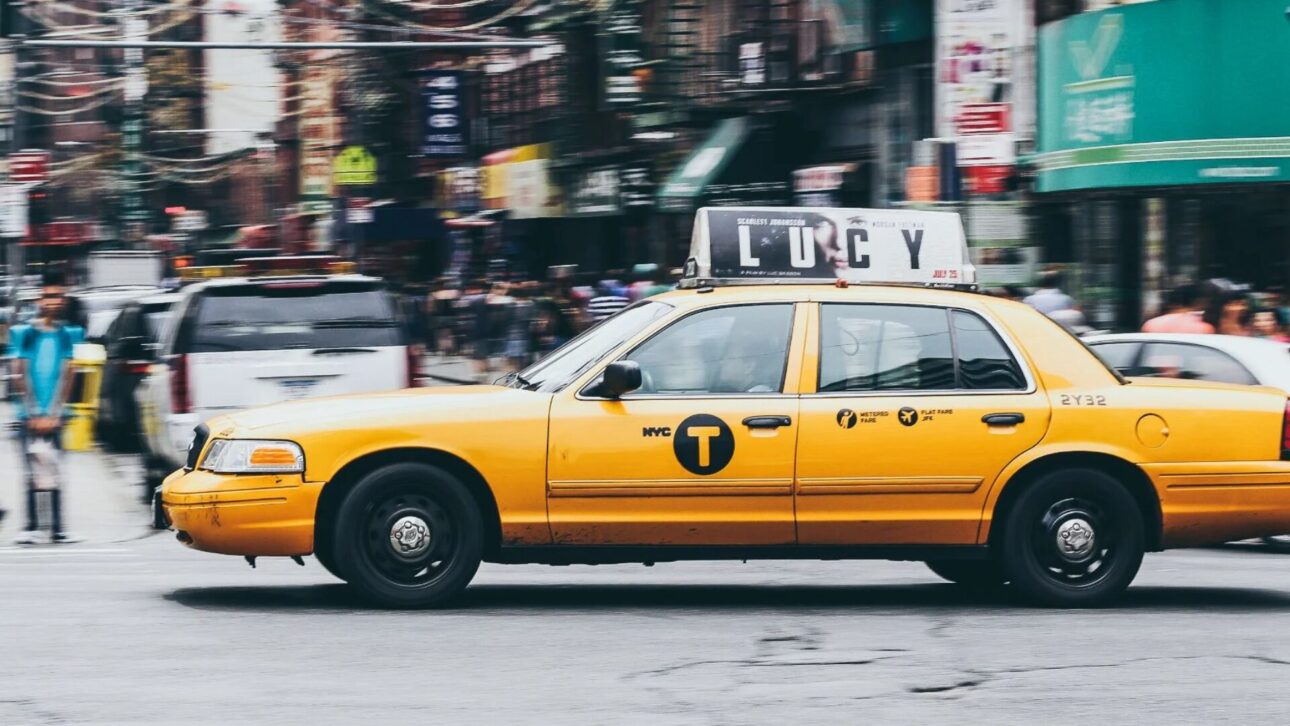
In the United States, the tradition is to choose large sedans from mainstream brands as taxis, especially those with a separate chassis from the body for being more robust.
The Ford Crown Victoria was the last model to be produced with this construction until 2011.
This iconic taxi is particularly well-known in New York, where the vehicles have a distinctive yellow paint job and a medallion on the hood.
The Crown Victoria had a 4.6L V8 engine, which, while not the most powerful of its time, was extremely reliable.
The model became a cultural symbol, appearing in films and television series such as “Taxi Driver” and “Law & Order.”
With the end of Crown Victoria production, the city began to allow hybrid models, changing the landscape of New York taxis, but its legacy remains.
3. Austin FX4
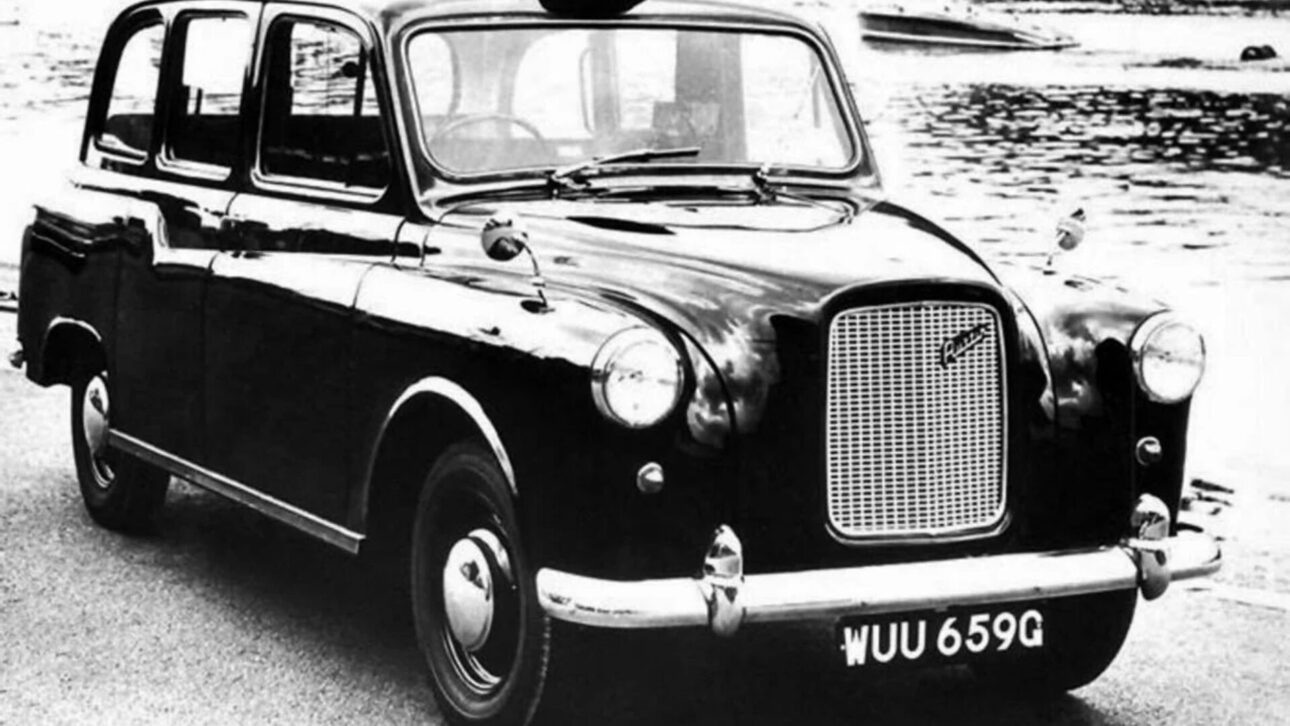
To cater to the narrow streets of London, taxis need to be spacious and easily maneuverable. The Austin FX4, launched in 1958, became the city’s most iconic model, produced until 1997.
With a high roof and capacity for six passengers, it allowed for luggage to be placed where the passenger seat would be.
An important feature of the FX4 is that it can turn around in just 7.6 meters, a crucial ability for drivers navigating London’s tight and congested streets.
After Austin closed in the 1980s, production continued under London Taxi International, which launched the modern LTI TX1 in 1997.
Today, the company belongs to Geely, and the new London taxi is a plug-in hybrid model, combining energy efficiency with the retro design that characterizes London taxis.
4. Toyota Crown Comfort
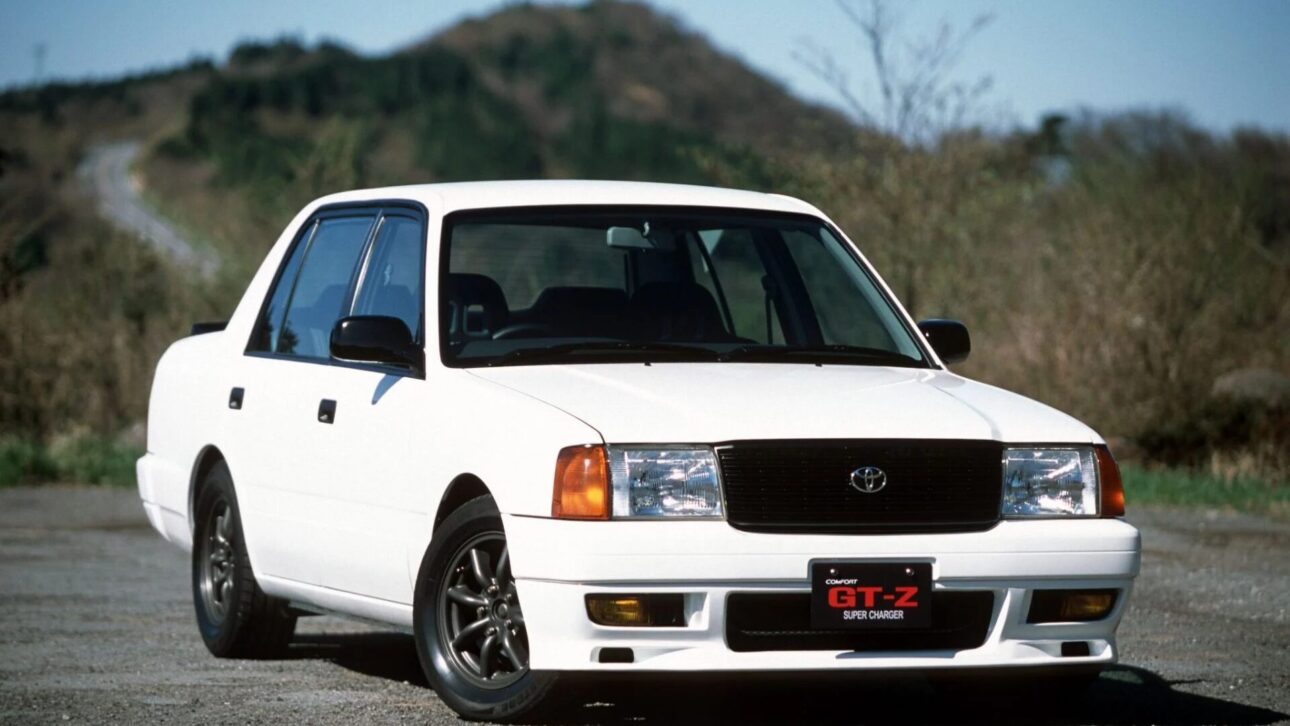
The Toyota Crown Comfort is another notable model, known for being the official taxi choice in Japan and Hong Kong until its discontinuation in 2018.
With features such as rear-wheel drive and a one-piece front seat, it was designed to meet Japan’s strict standards.
A unique feature of this model is the rear door on the passenger side, which can be opened by the driver, providing more comfort to passengers.
The Crown Comfort’s design prioritizes hospitality, an important cultural aspect in Japan.
The vehicle is known for its durability and comfort, and many taxi drivers still keep their cars in pristine condition, often decorating the seats with lace covers.
Even though it has been discontinued, the Crown Comfort can still be seen on the streets, especially in busy areas of Tokyo and Hong Kong.
5. Mercedes-Benz E-Class
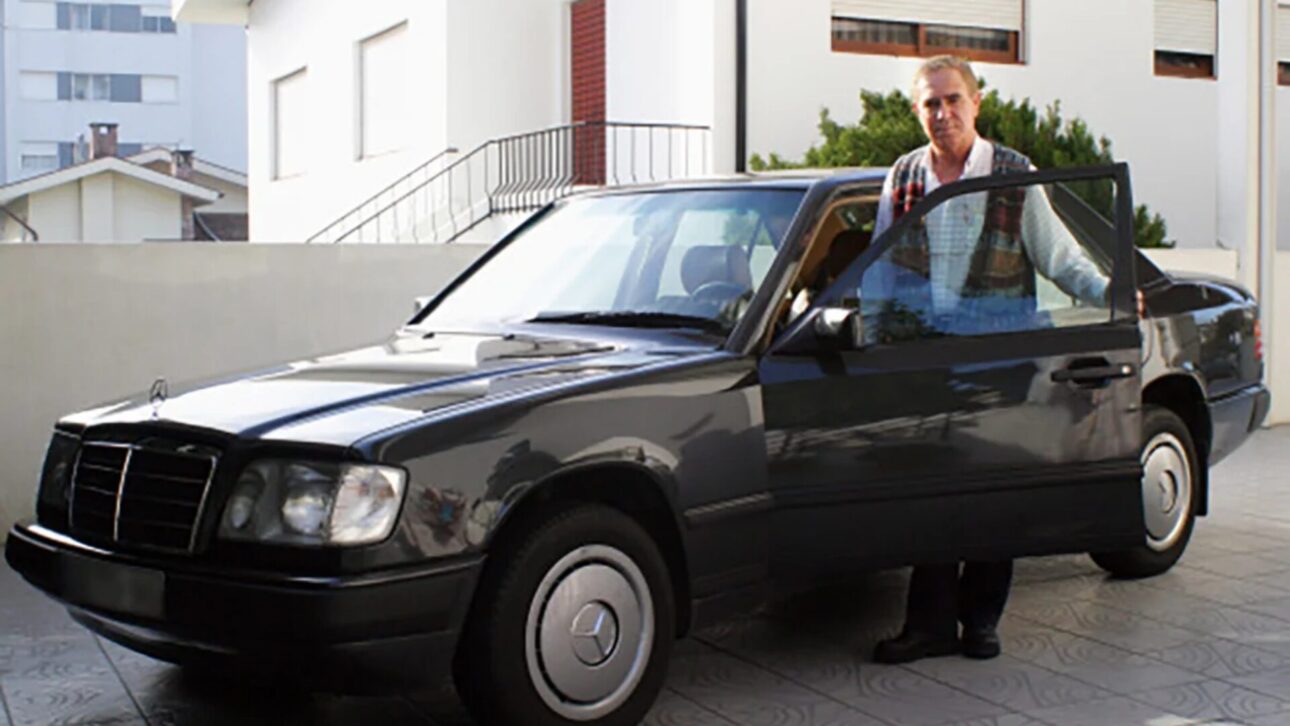
Mercedes-Benz has always been synonymous with robustness, and the E-Class is one of the most popular taxis in Europe, especially in Germany.
With simplified versions and less powerful engines, the E-Class became an icon at the country’s taxi stands.
In Germany, there are versions of the E-Class that have been adapted to meet the specific needs of taxi drivers, including manual transmission options until 2018.
This model is known for its comfort and advanced technology, making it a favorite among taxi drivers.
The durability of older models, such as the W124 and W123, is legendary, with many still running in North African and Middle Eastern countries.
A notable example is a 240D that has 4.6 million kilometers driven, used by a taxi driver in Greece, highlighting the reliability of these sedans.
6. GAZ Volga
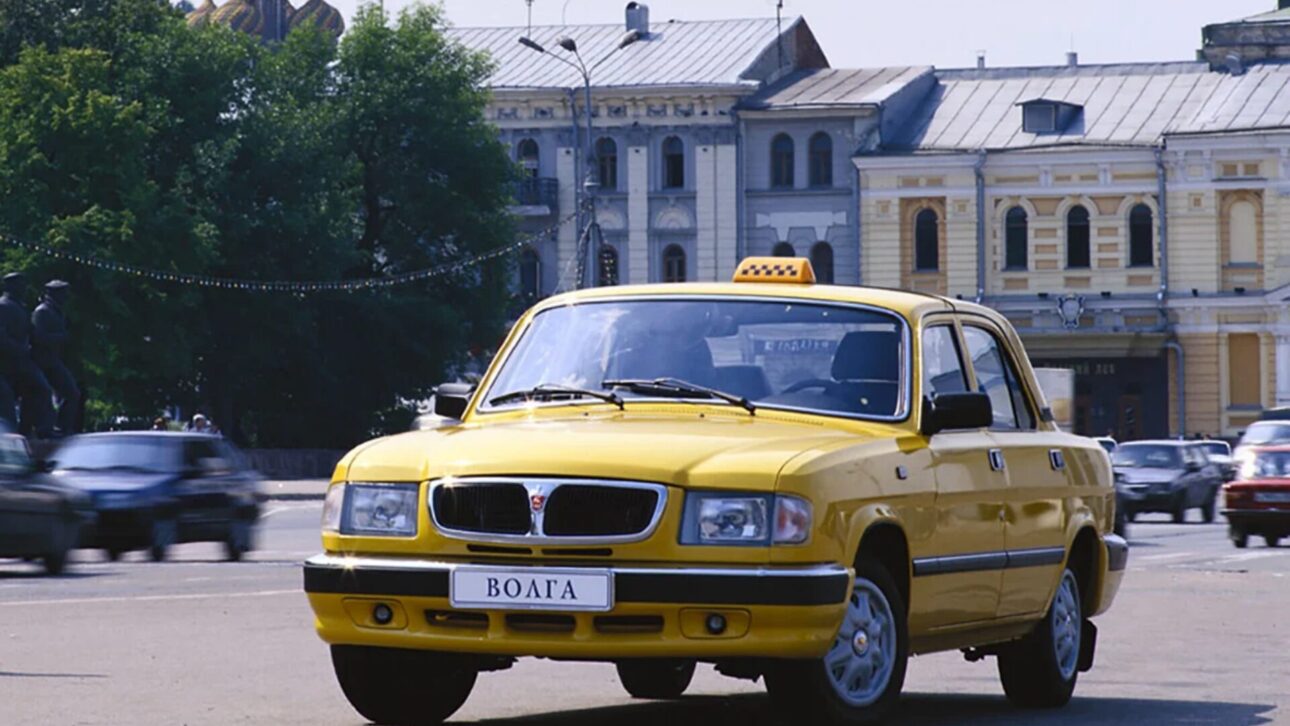
During the time of the Soviet Union, the GAZ Volga was a sedan known for catering to executives and taxi drivers.
The taxi version of the Volga was equipped with a taximeter and engines adapted to run on low-octane fuels.
Taxi drivers appreciated the Volga for its durability and ease of maintenance, and it continued in production even after the fall of the Soviet Union, receiving updates and new versions until 2010.
The Volga is remembered as one of the last automotive icons of the Soviet era, and its popularity extended to CIS countries, where it can still be seen in circulation.
7. Beetle
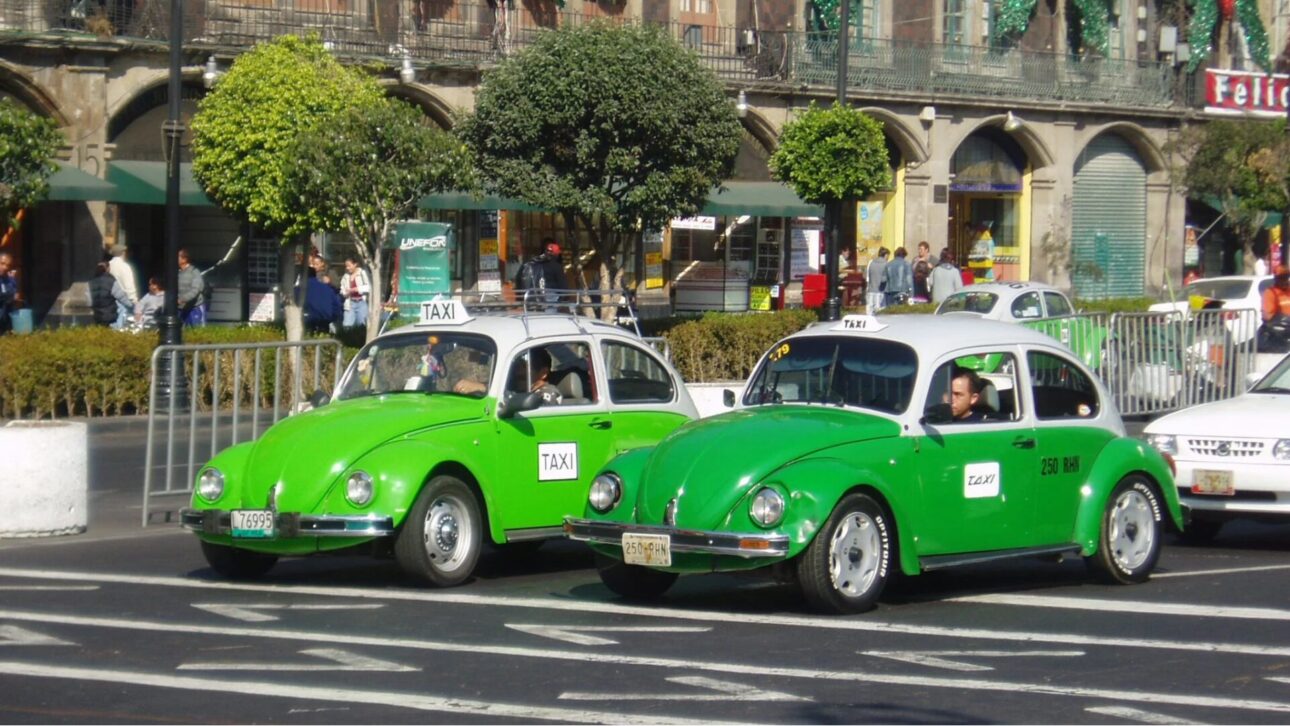
The Beetle is one of the most emblematic taxis in the world, especially in Mexico, where its production continued until 2003.
Beetle taxis were painted green and white and featured a modification in the cabin, removing the passenger seat to facilitate access.
The prohibition of registering the Beetle as a taxi drove Mexican taxi drivers to migrate to the Nissan Tsuru, a model that became popular after the Beetle’s exit.
Instead of the Beetle, taxi drivers opted for more modern vehicles, but the legacy of the Beetle remains alive in Mexican culture, often remembered as a symbol of mobility and nostalgia.
The Influence of Taxis on Urban Mobility
Taxis play a fundamental role in urban transportation, offering an accessible and convenient alternative, even with the growth of ride-hailing services.
Each of the mentioned models has a legacy that transcends its functionality, becoming part of the culture and identity of the cities in which they operate.
These iconic cars are not just means of transport; they are symbols of an era and reflect the evolution of urban needs.
The impact of these taxis on urban mobility is evident, shaping how people move and connect in cities.
As technology advances and new models emerge, the story of iconic taxis continues to be an essential part of the global automotive and cultural narrative.
They are not merely simple means of transport, but key pieces in building the identity and daily life of cities around the world.
SOURCE: AUTOPAPO