






 Portuguese
  Spanish


Discover How Underwater Robots Are Making Offshore Platforms and Pipelines Safer, More Efficient, and Prepared for the Future of the Oil Industry.
The safety and efficiency of offshore operations are rapidly transforming with the introduction of underwater robots.
These devices revolutionize the maintenance of pipelines and platforms, while also reducing risks for workers and increasing the accuracy of inspections.


Moreover, the use of Autonomous Underwater Vehicles (AUVs) and Remotely Operated Vehicles (ROVs) is rapidly increasing.
-
Petrobras Begins Drilling Controversial Oil Well in Brazil’s Equatorial Margin Near the Amazon River Mouth

-
Petrobras Sets Record with 2.66 Million Barrels Per Day in Brazil’s Pre-Salt Oil Production
-
Petrobras to Double Natural Gas Supply in Northeastern Brazil with New Investment
-
Petrobras Approves $1.2 Billion Refinery in Brazil to Produce Aviation Fuel and Diesel from Plants
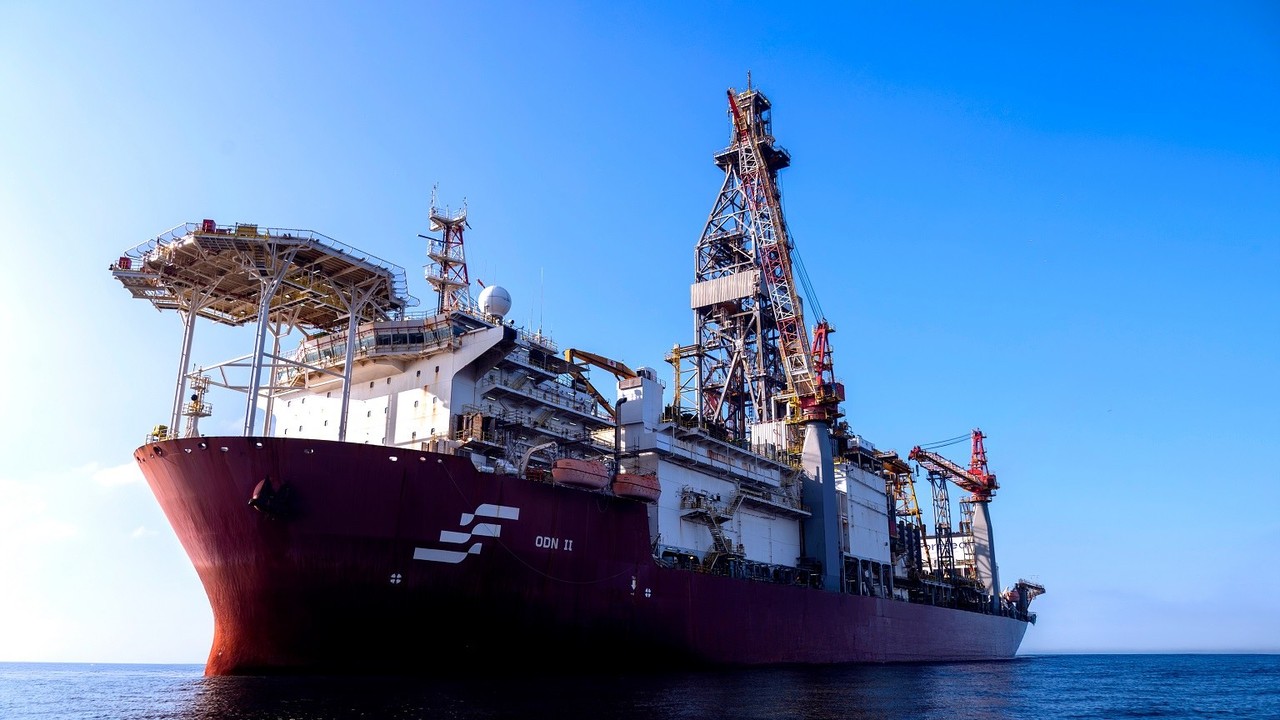


Oil and gas companies are heavily investing in these robots to enhance operational safety and optimize maintenance costs.
According to Offshore Technology, the global robotics market is expected to reach US$ 218 billion by 2030.
The Importance of Robots for Inspection and Offshore Maintenance
With the increasing demand for exploration in deep waters, offshore infrastructure is expanding globally.
According to data from GlobalData, the total length of pipelines and gas pipelines will reach 2.13 million kilometers by 2024, with a forecasted increase of 5% by 2027.
Additionally, there are currently about 12,000 platforms in operation.
Therefore, this expansion requires the use of underwater robots to monitor and protect this massive infrastructure.
ROVs operate remotely from a surface ship, while AUVs operate independently.
Environmental Challenges and Structural Safety
The safety of platforms and pipelines faces challenges beyond natural conditions.
Climate change, rising sea levels, and corrosion pose constant risks.
Another concerning factor is that geopolitical attacks have become an increasing worry.
The case of the Nord Stream pipeline, damaged by explosions in September 2022, illustrates the challenges the sector faces, according to BBC News.
In this way, underwater robots inspect damages and collect data on methane leaks.
The use of gliders equipped with sonars and sensors enables precise mapping, assisting in the mitigation of environmental and structural impacts.
Application of Artificial Intelligence in Offshore Robotics
Companies like Shell, TotalEnergies, and Equinor collaborate with technology providers to expand the use of underwater robots.
A partnership between Shell and Geo Oceans allowed a robot to inspect four cargo tanks of a floating production, storage, and offloading unit without exposing workers to risks.
In addition, the introduction of artificial intelligence (AI) in analyzing data collected by the robots significantly improves decision-making.
Information captured by cameras and sensors is processed in real-time, allowing for more efficient planning of offshore operations.
According to Energy Voice, the integration of AI in underwater monitoring has increased operational efficiency by 35% since 2021.
The Cost-Benefit of Adopting Underwater Robots
Despite the advantages, the adoption of underwater robots still presents financial challenges.
Although the initial cost is high, preventing accidents and reducing operational downtime compensates for this investment.
Moreover, companies are seeking alternatives to reduce expenses by operating ROVs remotely and eliminating the need for support vessels.
In this way, the sector can optimize resources and ensure greater operational efficiency.
Underwater Robots as Tools for Decarbonization
Advances in underwater robotics drive the environmental goals of oil companies.
A partnership between TotalEnergies and Oceaneering allowed AUVs to inspect 120 km of pipelines in the North Sea, reducing emissions by 50% compared to traditional methods, according to Reuters.
Additionally, the decommissioning of outdated infrastructure presents a significant challenge.
By 2030, 2,800 fixed platforms, 18,500 wellheads, and 80,000 km of offshore pipelines will be decommissioned, according to the GlobalData report from March 2024.
Therefore, underwater robots will play a vital role in this process, ensuring safe and efficient decommissioning.
The adoption of underwater robots transforms the offshore industry.
Companies that invest in this technology increase operational safety, reduce costs, and ensure a more sustainable future.
Furthermore, with the advancement of AI, improvements in efficiency, and new collaborations between oil companies and technology providers, the underwater robotics market will continue to grow.
This way, its role as an indispensable tool for the future of offshore exploration is solidified.


