






 Portuguese
  Spanish
  5 min of reading
  0 comments


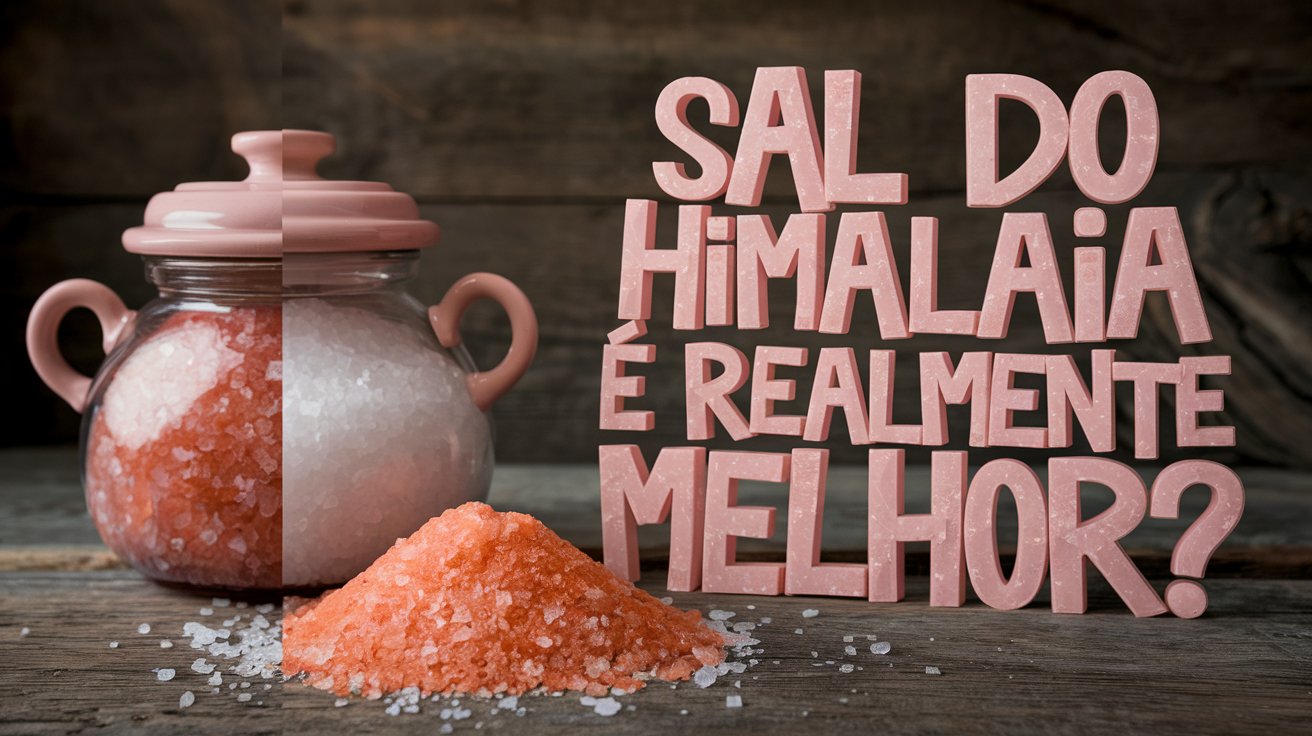
Discover the Little-Known Characteristics of Himalayan Pink Salt, Its Unique Mineral Properties, and the Real Impact It Can Have on Your Health and Cooking, Along with Surprising Facts Beyond Its Simple Pink Coloring.
Himalayan pink salt is undoubtedly one of the most popular ingredients in cooking and wellness rituals in recent years.
With its characteristic color ranging from light pink to reddish, it attracts consumers looking for natural and healthy alternatives to regular table salt.
But is this type of salt really better for health than regular salt?
-
Nepalese man was missing for six days on Everest, fell into an ice crevasse, survived on biscuits and melted ice, and only escaped after an avalanche cleared a path near Base Camp.

-
Painting a tree white seems like care, but the mistake many people make, replacing lime can suffocate the trunk and turn sun protection into a risk for the plant.
-
Without money to print a resume, a 19-year-old writes everything by hand, reveals that he lives by collecting recyclables to help his family, and ends up sparking an unexpected wave of support on social media, with users tagging companies and trying to turn a simple sheet into his first big opportunity for formal employment.

-
Light blue, black, red, or green-yellow wire? Understand what each color indicates in electrical installation and why confusing phase, neutral, and ground can become a risk inside the house.



What are its real benefits and differences?
Let’s unveil the secrets of Himalayan pink salt based on scientific studies and proven information.
What Is Himalayan Pink Salt?
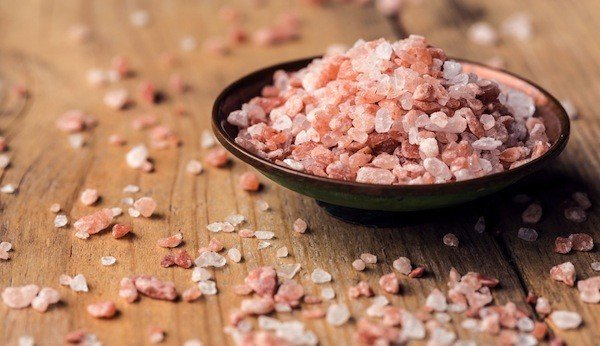
Himalayan pink salt is a type of mineral salt extracted from the Khewra salt mines in Pakistan, located near the Himalayan mountain range.
These mines are considered one of the largest natural salt reserves in the world and originated from ancient prehistoric seas that evaporated about 250 million years ago.
Over millions of years, the salt has been naturally preserved and enriched with various minerals, including iron, magnesium, potassium, calcium, and other trace elements.
Its characteristic pink color is primarily due to the presence of iron oxide (rust) in small amounts, which also gives it a slightly different flavor than regular salt.
Himalayan Pink Salt Versus Regular Table Salt: What’s the Difference?
Regular salt, also known as refined salt, is obtained from the evaporation of seawater or salt mines and goes through industrial processes that remove almost all minerals, leaving almost exclusively sodium chloride (NaCl).
In addition, refined salt usually contains additives like anti-caking agents and iodine — important for preventing diseases related to the deficiency of this mineral, such as goiter.
On the other hand, Himalayan pink salt is considered a “less processed” salt and therefore retains a more diverse mineral composition — with over 80 minerals in small amounts.
These minerals give pink salt a different flavor and color, but the impact of this on health is still debated.
Proven Benefits of Himalayan Pink Salt
Some benefits of Himalayan pink salt are backed by scientific evidence, while others are considered more myths than reality.
Let’s take a look at what we know so far:
- Contains Less Sodium by Volume Than Refined Salt: This occurs because the crystals of pink salt are larger and less dense, which can lead to lower sodium intake when using the same volume amount (such as a spoon).
However, the sodium content by weight is practically the same.
- Presence of Trace Minerals: Himalayan pink salt contains minerals such as potassium, magnesium, calcium, and iron, which are important for the body.
But the amounts of these minerals are very small and hardly make a significant difference in the daily diet.
- Absence of Chemical Additives: Unlike refined salt, pink salt contains no anti-caking agents or other additives, which attracts those looking for more natural and organic foods.
Myths and Truths About Himalayan Pink Salt
Myth 1: Himalayan Pink Salt Cures Diseases
Some people believe that pink salt can cure issues such as hypertension, diabetes, respiratory problems, and even relieve stress.
However, there are no reliable scientific studies that prove these direct medicinal effects.
What exists is the possibility that, being less processed, pink salt has less impact on the body compared to refined salt when consumed in moderation.
Myth 2: Pink Salt Is Sodium-Free
This is not true.
Pink salt is basically sodium chloride, just like regular salt.
Excessive consumption can lead to the same problems associated with excess sodium: increased blood pressure, fluid retention, kidney problems, among others.
Truth: Pink Salt Can Be a More Natural Option with a Unique Flavor for Seasoning Foods, especially for those looking to reduce consumption of ultra-processed foods.
What Do Experts Say?
Nutritionists and doctors emphasize that, regardless of the type, salt consumption should be moderate to avoid health issues.
The World Health Organization (WHO) recommends that daily sodium intake should not exceed 2 grams, which is about 5 grams of salt (one teaspoon).
According to cardiologist and hypertension specialist Dr. Ricardo Alves, “Himalayan pink salt may be interesting from a sensory standpoint and because it is less processed, but nutritionally, its impact is practically the same as refined salt.”

Curiosities About Himalayan Pink Salt
- Beyond Cooking, Pink Salt Is Widely Used in Wellness Therapies, such as relaxing baths, salt lamps to purify the environment, and body scrubs.
- Himalayan pink salt lamps are popular and said to release negative ions that would improve air quality and mood, but scientific studies have yet to confirm these benefits.
- Pink salt is a globally exported product, and its high demand has boosted the local economy in the regions where it is extracted.
Is It Worth Switching Regular Salt for Himalayan Pink Salt?
The answer depends on your goal.
If you are looking for salt with a different flavor and appearance, and that is less processed, pink salt can be a good choice.
On the other hand, strictly from a nutritional standpoint, it does not provide significant benefits compared to refined salt.
The most important thing, experts agree, is to control total salt consumption, regardless of the type, to prevent diseases related to excess sodium.
Have you switched to Himalayan pink salt in your kitchen? Do you believe it makes a difference for health or is it just a trend? Let us know in the comments!


Be the first to react!