Portuguese
  Spanish


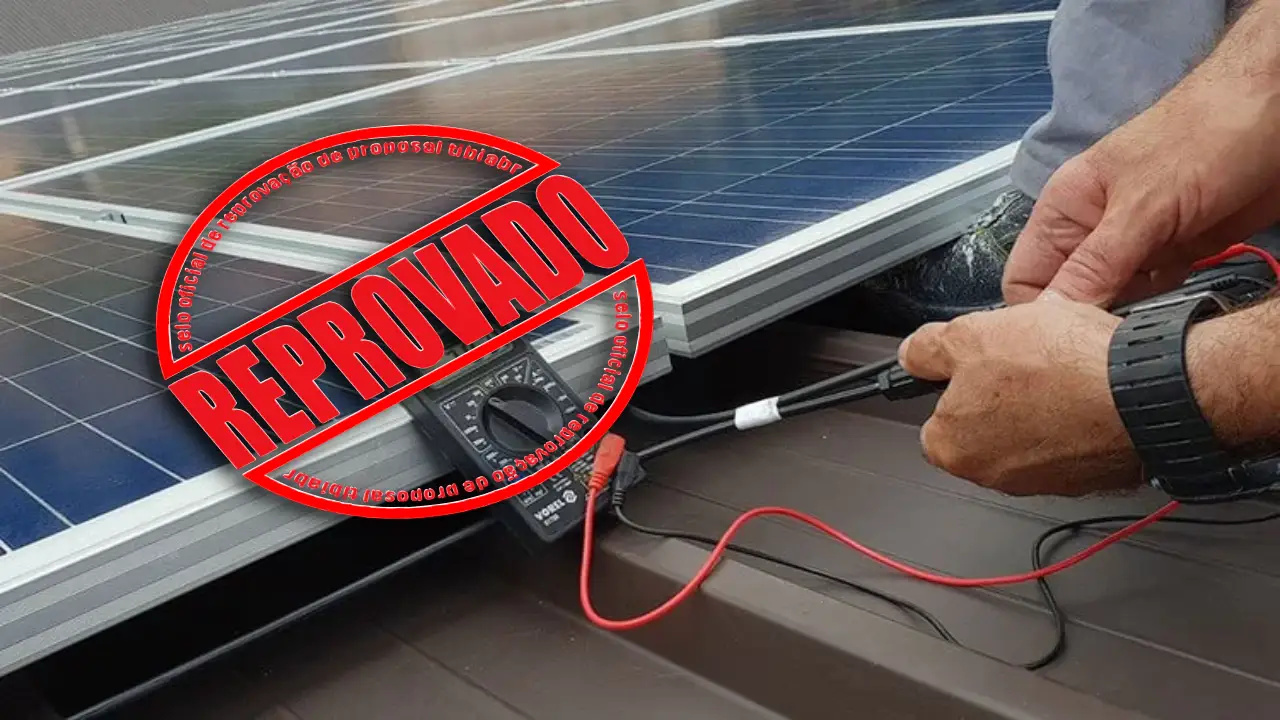

Most Solar Panels Tested in 2024 Did Not Deliver the Power Disclosed by Manufacturers. This Finding from the TÜV Rheinland Laboratory Raised Concerns: Consumer Confidence May Be at Risk
Solar Panel at Risk? Only 34.3% of the modules analyzed in laboratories in Asia and Europe matched or exceeded the declared power. The remaining 65.7% fell short, although most did fall within the uncertainty margin of 1.5%.
In contrast, in 2015–2016, TÜV had pointed out that 71.7% of the modules hit or exceeded the reported power, with only 28.3% failing in this regard. Today, the situation has reversed. Dr. Christos Monokrousos from TÜV Rheinland explains:
“If the modules deliver less than announced, it can lead to a loss of trust among buyers.”
-
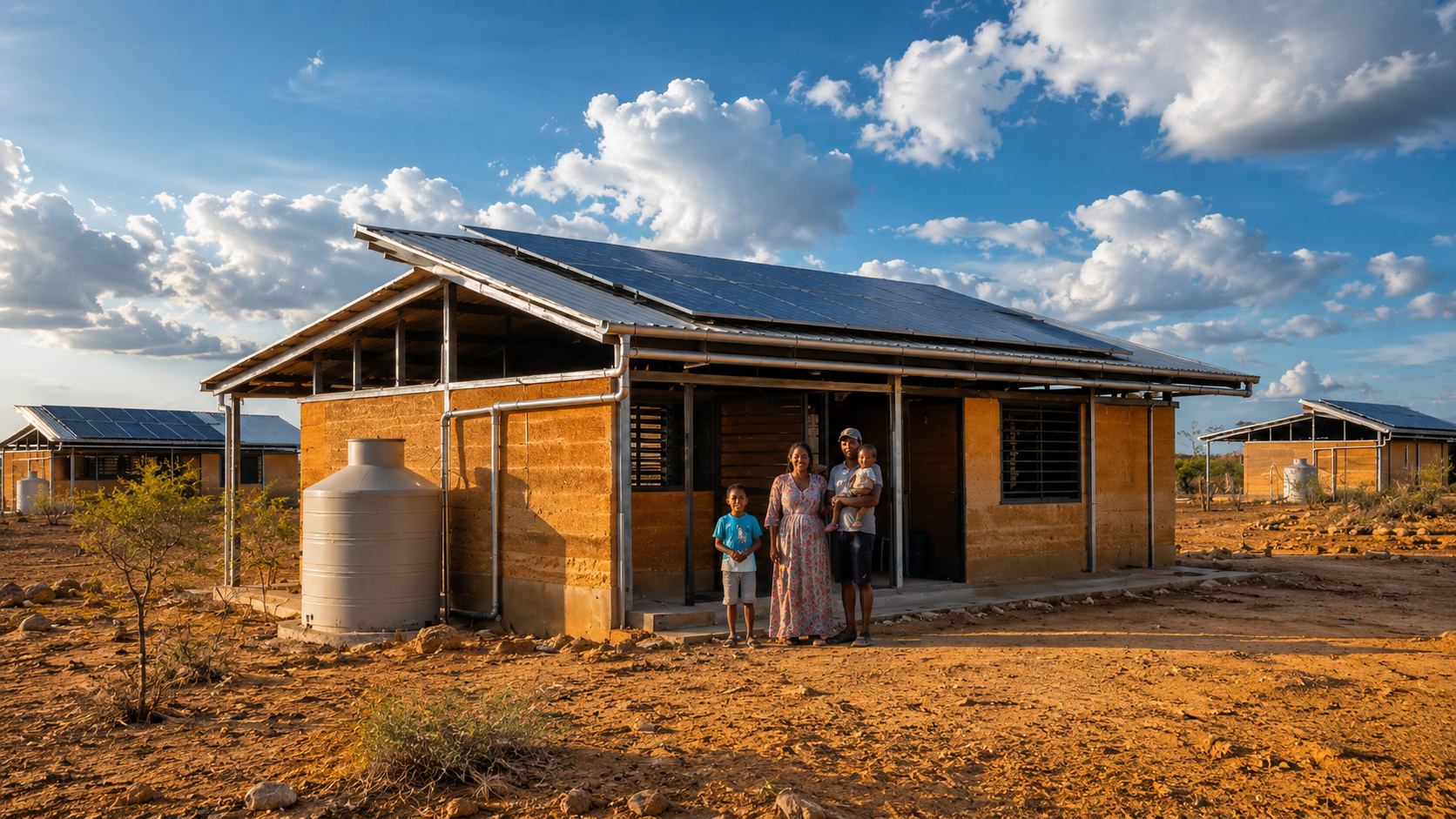
In Colombia’s desert, 30 families receive 80 m² homes with solar panels, waterless toilets, and rainwater collection systems amid water and energy shortages.

-
Engie Secures 10-Year Use of 625 MWh in Batteries to Store Excess Solar and Wind Energy in Spain by 2028
-
Giant Batteries Take Center Stage in Chile Auction as Company Offers 960 GWh of Solar Energy for Nighttime Use, Aiming to Stabilize Solar Power Supply
-
After a Year of Success in Switzerland, Solar Railway Attracts Italy’s Interest for Clean Energy Transformation

Technology in Solar Panel Analysis
Tests under extreme conditions (heat, humidity, voltage spikes, intense UV) showed that:
- Back Contact (BC): best overall performance, demonstrated greater reliability against heat, humidity, voltage spikes, and UV radiation.
- TOPCon: delivered better resistance to high temperatures, although field tests indicate degradations that range from almost negligible to significant.
- PERC: although more common, lagged behind in recent tests.
Important: these are averages; some PERC or TOPCon solar panel models may exceed or fall below the average.
News in 2025
- TÜV released a report in May 2025 comparing performance data from the past 10 years, highlighting that the majority of modules today deliver less power than reported.
- The laboratory is also working on new criteria for bifacial modules and introduced the concept of “traceability testing” to ensure transparency in the manufacturing chain.
- In parallel, the market is closely monitoring advancements like the Longi Hi-MO X10, which has TÜV Class A certification against shading, representing real evolution in the practice of TOPCon/BC technologies.
Risks, Precautions, and Guidelines for Investing in Solar Panels
When purchasing, opting for panels with independent certification, such as reports from authorized laboratories, preferably with TÜV seal, reduces risks and increases reliability.
The actual performance of the modules directly affects financial return and savings on the bill, so it’s crucial to prioritize technologies with a solid durability history, like BC and TOPCon, even if the initial cost is higher.
Traceability in the production chain is another essential point: in addition to avoiding irregularities, it facilitates project approval. TÜV even launched a global service for this in 2024. The industry also plans significant advancements: commercial modules above 760 W expected in 2025 and, after 2030, the emergence of tandem cells that combine BC and perovskite.
In 2024, most solar panels delivered less than promised, even while maintaining a technical tolerance margin. Technologies like BC and TOPCon stand out, but only independent auditing and informed choices ensure real results in your project.
“Pre-checking the modules helps guarantee safer planning and avoids losses.” Vinícius Gibrail
Share Your Experience! Do you have a panel or project underway? Comment below or share this article; your opinion helps other readers.