






 Portuguese
  Spanish
  3 min of reading
  0 comments


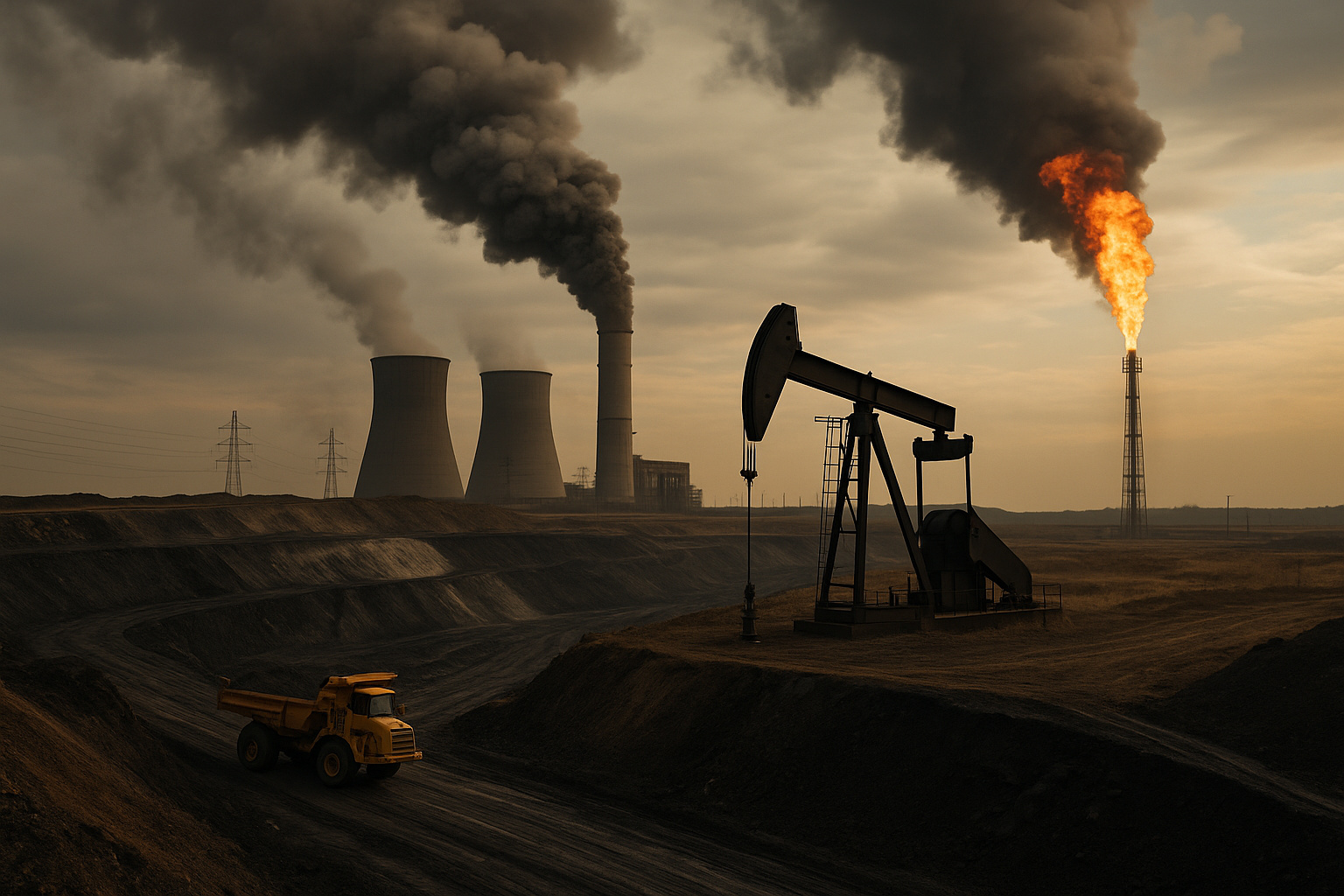
Study Shows Advancement in Coal, Oil, and Gas Production Despite the Paris Agreement
A global report released on September 22, 2025 revealed that governments plan to produce 120% more fossil fuels by 2030 than what is compatible with the goal of limiting warming to 1.5°C. Moreover, this volume also exceeds by 77% the limit necessary to contain the rise to 2°C, established in the 2015 Paris Agreement, signed ten years ago. Therefore, the gap between commitment and practice continues to widen.
Expansion Contradicting Climate Commitments
According to the Production Gap Report 2025, prepared by the Stockholm Environment Institute (SEI), Climate Analytics, and International Institute for Sustainable Development (IISD), the analysis of 20 major producers responsible for 80% of global production shows a concerning expansion.
Additionally, the document points out that the situation worsened compared to 2023, when the excess was 110% over the 1.5°C target and 69% over the 2°C target. Thus, in just two years, the difference increased, highlighting a setback in climate efforts.
-
Brazilian promises his children to save a river, creates an eco-barrier in his backyard, has already removed more than 40 tons of trash from the water, and even inspires the idea in other states of the country.

-
How a Brazilian company created a system that transforms broken pallets of any brand into new assets, recycles 80 tons of plastic per month, and found a profitable solution to a problem that challenges industries across the country.

-
Invasive bullfrog capable of devouring other amphibians and laying up to 20,000 eggs is found in Florianópolis, raising an alert about the threat to native fauna.
-
It looks like a baby, but it’s an adult: meet the Bornean pygmy elephant, the smallest elephant in the world threatened by habitat loss.



Investments at Risk of Obsolescence
The report also emphasizes that the expansion of fossil infrastructure represents a waste of public and private resources. This occurs because carbon-intensive assets will inevitably lose value as the energy transition advances at an increasing pace.
Furthermore, researchers highlight that 17 of the 20 analyzed countries plan to increase the production of at least one fossil fuel by 2030. More alarmingly, 11 of these nations have revised their targets upwards since 2023, demonstrating a clear worsening of the production gap.
Brazil in Contradiction Ahead of COP30
The report also places Brazil at the center of the debate. This is because the country, while seeking to establish itself as a regional climate leader, is simultaneously preparing to host COP30 in Belém at the end of 2025. However, Brazil continues expansion projects in the pre-salt exploration, which creates contradictions regarding the climate commitments assumed by the Lula government.
Moreover, only six countries have policies compatible with carbon neutrality by 2025, compared to four in 2023. Thus, it is evident that the transition to renewables is progressing slowly, even with declining costs and accelerated expansion.
In this scenario, the former executive secretary of the UN Climate Convention, Christiana Figueres, stated in September 2025: “Renewables will inevitably replace fossil fuels, but we need urgent measures to close the gap in time.”
Impacts of Inaction on Vulnerable Populations
The director of the SEI Just Transitions Program, Emily Ghosh, stated that the issue goes beyond the environmental field. According to her, “without concrete commitments, new delays will consolidate emissions and exacerbate the climatic impacts on the most vulnerable populations.”
Moreover, the report calls for countries to implement the UAE Consensus, signed at COP28 in Dubai in 2023. This agreement provides for the gradual elimination of inefficient fossil subsidies, which could free up essential resources for clean technologies.
Still in September 2025, co-author Olivier Bois von Kursk reiterated the warning: “The increase in fossil expansion plans over the past two years is alarming. To avoid the worst impacts, governments must halt new fossil investments and support clean industries of the future.”
Key Points Highlighted in the Report
- Release Date: September 22, 2025
- Responsible Institutions: SEI, Climate Analytics, and IISD
- Countries Analyzed: 20, responsible for 80% of global production
- Planned Production Excess: 120% above the 1.5°C target and 77% above the 2°C target
- Situation in 2023: 110% and 69% above, respectively
- Brazil in the Spotlight: included among expanding producers, even on the eve of COP30
- Urgent Measure: elimination of fossil subsidies to fund clean technologies
What Does the Future Hold for the Energy Transition?
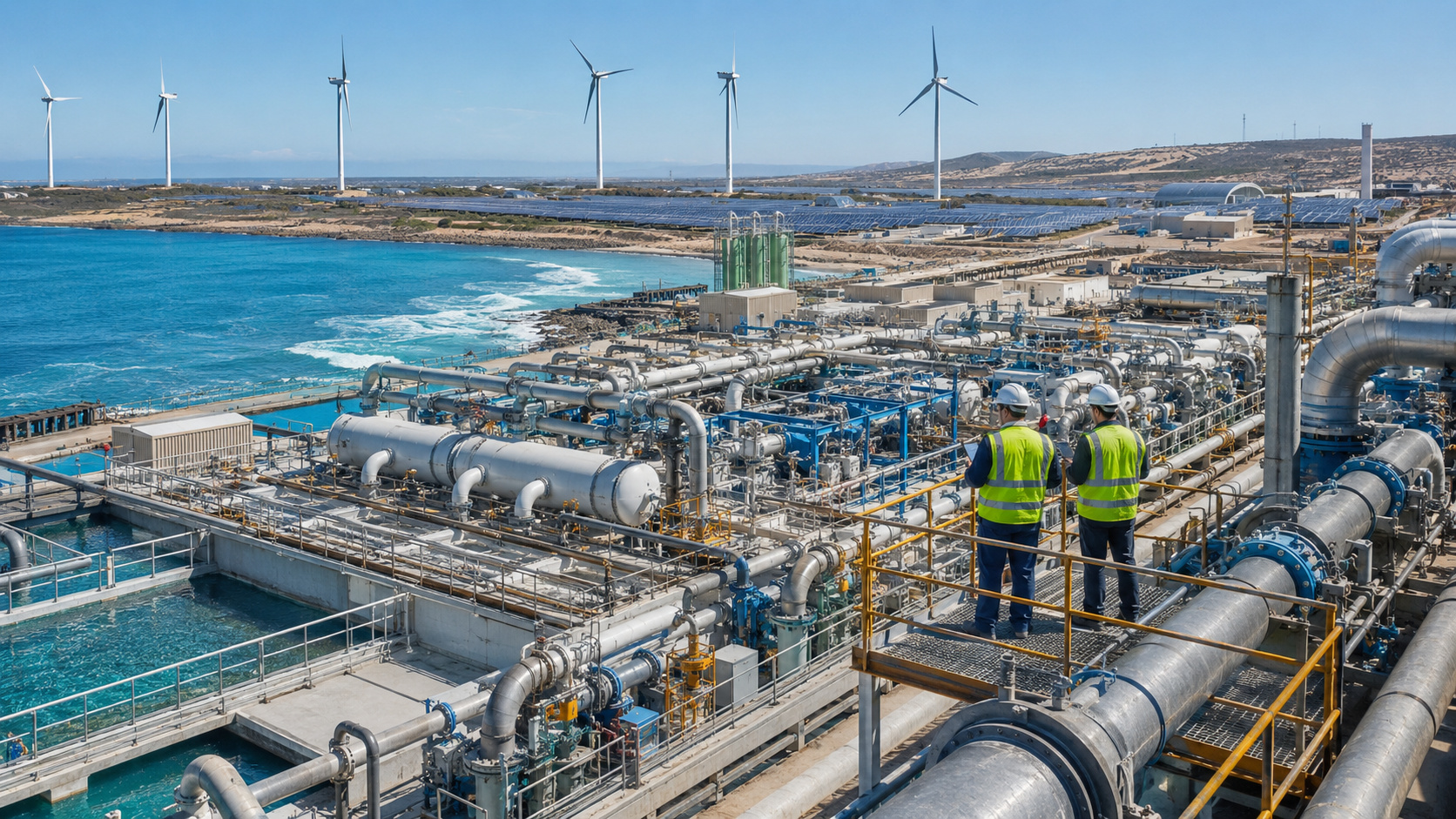
The report shows that continuing dependence on fossil fuels threatens global climate goals and imposes economic risks. Moreover, carbon-intensive assets are likely to become obsolete, while renewable sources continue to expand globally.
Thus, by COP30, scheduled for November 2025, countries will have to demonstrate whether they are willing to correct their energy plans. After all, the decision between maintaining fossil expansion or investing in renewables will determine not only the success of climate goals but also international economic competitiveness.
What do you think: should governments accelerate the energy transition with investments in renewables or maintain fossil expansion in pursuit of immediate gains? Leave your opinion!







Be the first to react!