Portuguese
  Spanish


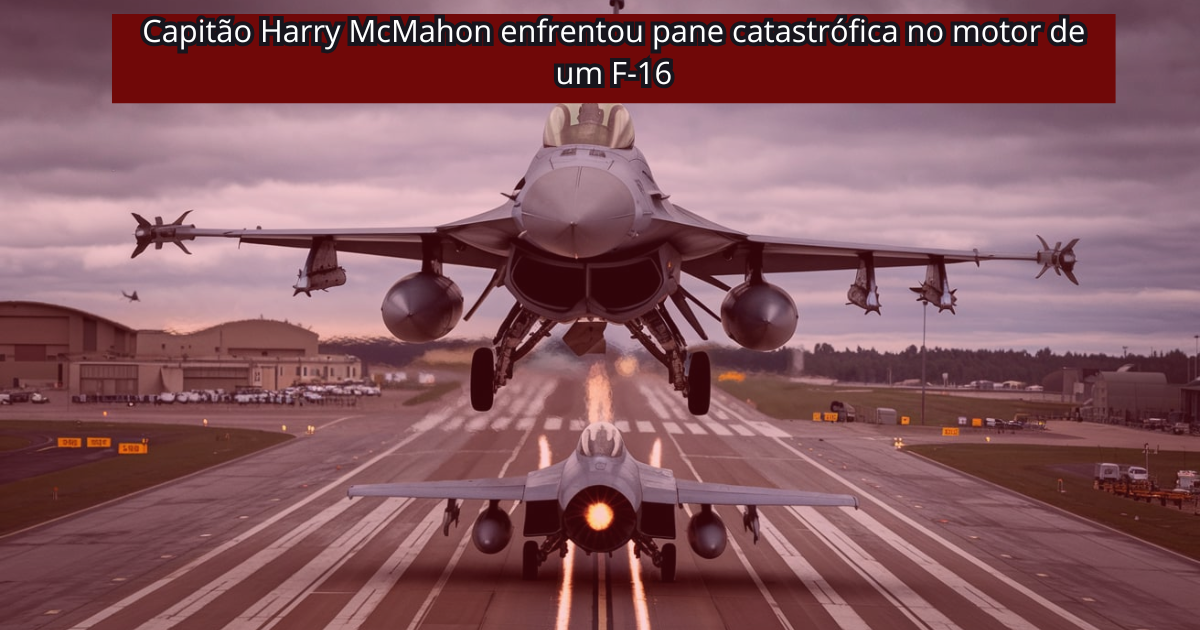

In Training Flight, Captain Harry McMahon Faced Catastrophic Engine Failure of an F-16 and, with Skill and Calm, Averted Tragedy. The Feat Earned Him One of the Most Prestigious Awards of the U.S. Air Force. His Story Inspires Pilots and Reinforces the Value of Rigorous Training in Military Aviation.
When a routine flight in South Korea turns into one of the tensest episodes in military aviation, the world stops to hear the story.
An American pilot, facing a catastrophic engine failure in one of the most advanced fighter jets in the world, did the impossible.
With cold blood and exceptional skills, he saved not only an aircraft valued at US$ 40 million but also reaffirmed the value of rigorous military training.
-
U.S. Navy’s Ticonderoga-class Cruiser Becomes a 9,800-Ton Missile Fortress with Advanced Aegis System Capable of Tracking Hundreds of Targets

-
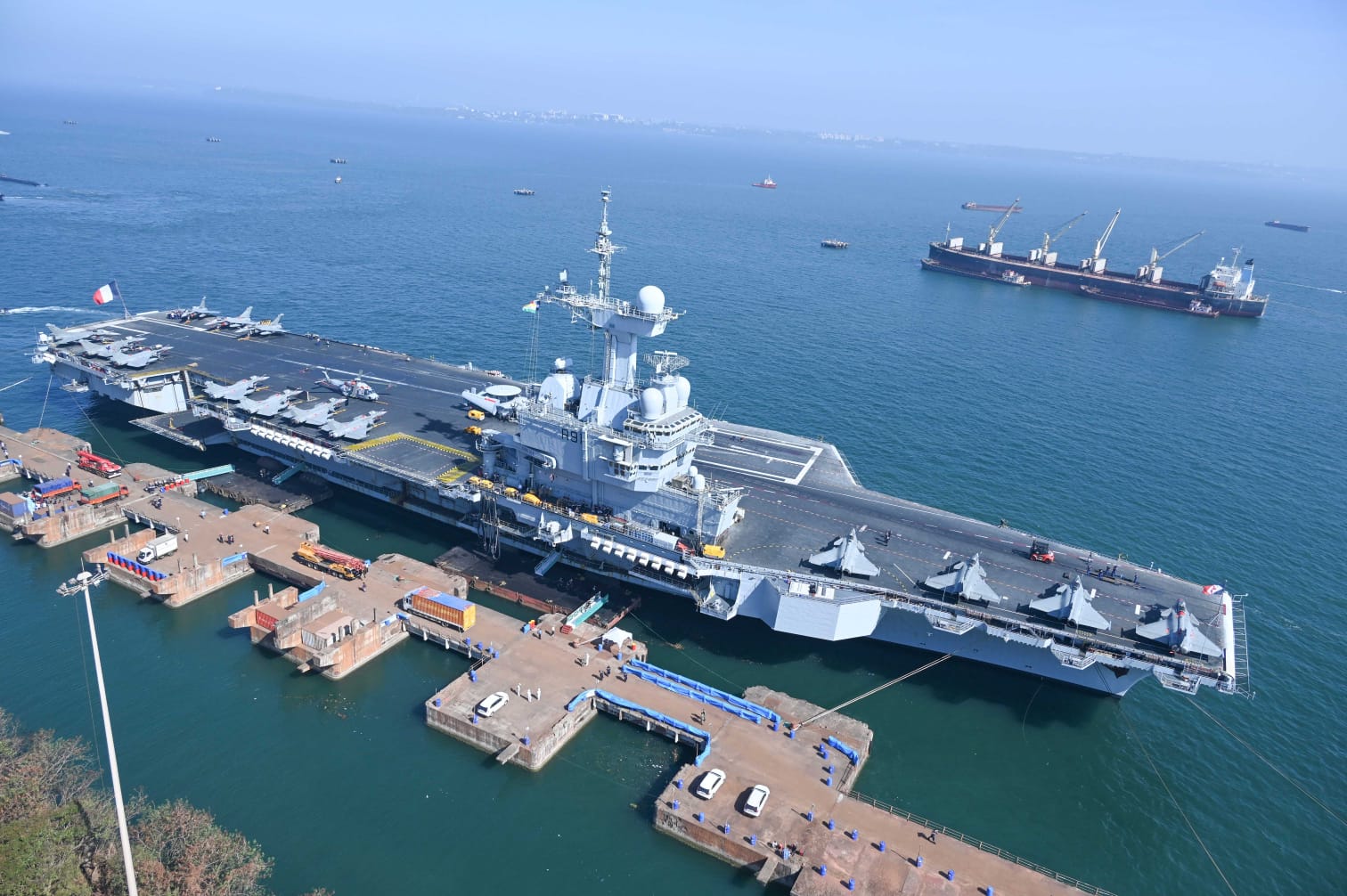
France’s Charles de Gaulle: The Sole Nuclear-Powered Aircraft Carrier Outside the US, Weighing 42,500 Tons and Equipped with Two Atomic Reactors

-
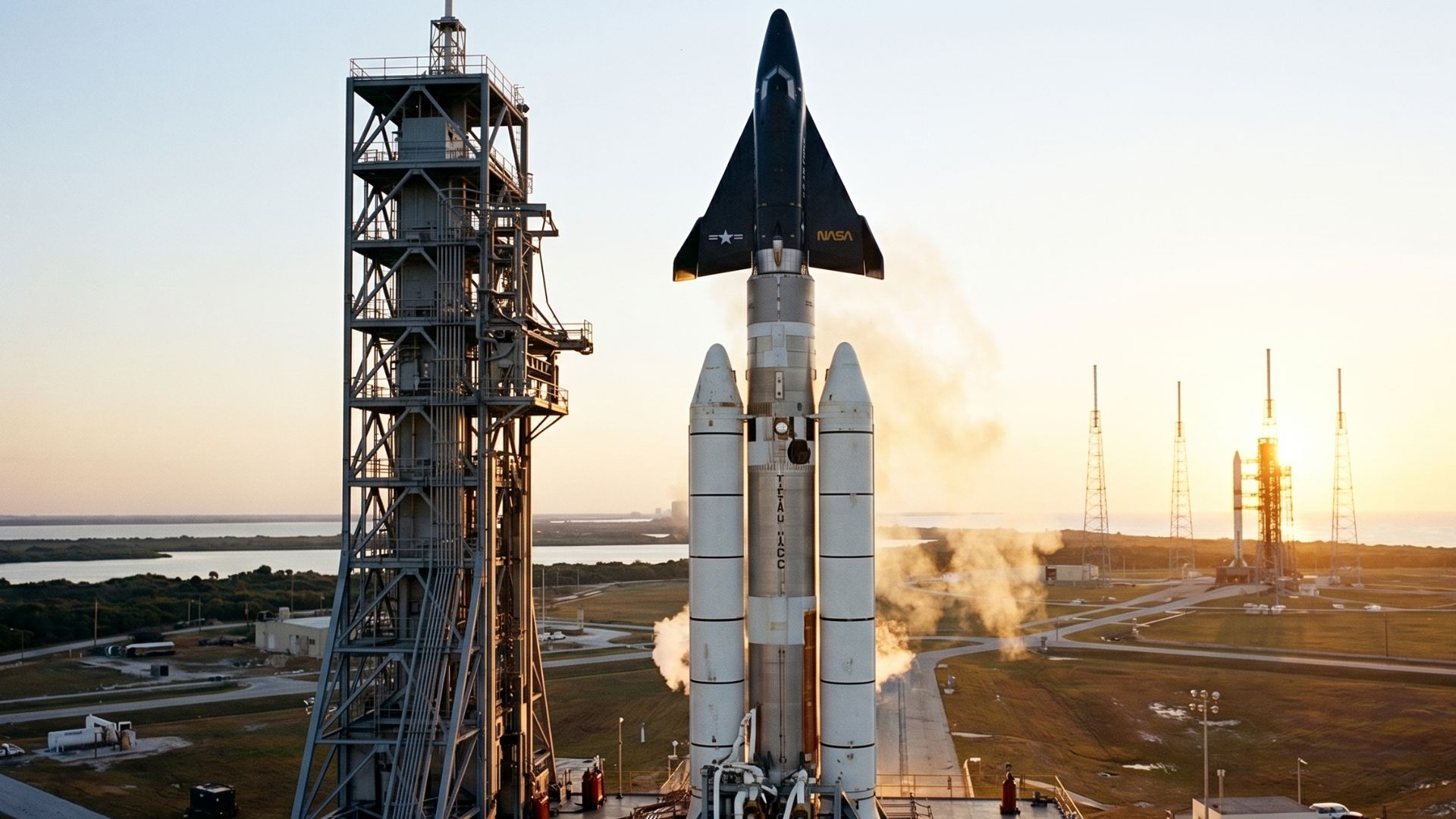
The military spaceplane that almost took the Cold War into orbit: Boeing X-20 Dyna-Soar was designed to re-enter above Mach 20, fly for up to 40 hours, land like a plane, and transform Titan rockets into a gateway to a new era of orbital warfare.
-
FAB bets on national drones and increases investments to strengthen the Brazilian aerospace industry



But how did it all happen? And what led Captain Harry McMahon to risk his life to avoid a tragedy in the skies?
Emergency in Flight
According to the portal Military Society, on July 28, 2023, during an advanced combat training in South Korea, Captain Harry “Butcher” McMahon of the United States Air Force (USAF) faced a situation that required the utmost of his skills.
His F-16 Fighting Falcon, one of the most iconic fighter jets in military aviation, experienced a critical engine failure. This left the pilot without propulsion mid-flight, forcing him to execute a maneuver known as “flameout landing”.
According to information from the U.S. Air Force, McMahon diverted his aircraft to Cheongju Air Base in South Korea, considered the safest location for emergency situations in that region.
However, what was already complicated became even more challenging: two South Korean F-35 fighter jets were authorized to take off in the opposite direction to McMahon’s route, creating a scenario of intense and potentially fatal air traffic.
Calm and Precision Averted the Worst and Saved the F-16
Despite the imminent risk, McMahon demonstrated an impressive level of control and skill. He maneuvered his aircraft with millimeter precision to avoid a collision while the South Korean F-35s flew over his landing path.
According to the Chief of Staff of the Air Force, General David Allvin, the captain’s actions exemplify the true spirit of an American aviator.
“His calm under pressure and ability to make quick decisions were crucial to saving the F-16 and averting a tragedy,” declared Allvin during the awards ceremony at the Pentagon.
McMahon’s success highlighted not only his bravery but also the effectiveness of the rigorous training provided by the U.S. Air Force.
The Recognition of a Heroic Act
As recognition for his extraordinary feat, McMahon received the Koren Kolligian Jr. Trophy, one of the most prestigious honors in American military aviation.
Established in 1955, the award is intended for pilots who demonstrate exceptional skills and follow strict safety protocols to save lives and equipment in extreme situations.
The ceremony took place at the Pentagon and brought together military leaders and the pilot’s family. During the event, McMahon emphasized the role of training and advanced simulators in developing his skills.
“The Air Force is on the right track by investing in technologies that simulate real combat situations. This was crucial for my performance,” McMahon stated humbly.
The Value of Military Training
The situation faced by McMahon serves as an example of how essential preparation is in military aviation.
Even after activating the aircraft’s Emergency Power Unit, which maintained only the jet’s basic operational functions, the pilot could not restore the engine.
It was necessary to follow each emergency procedure strictly and trust fully in his training.
This disciplined approach saved not only the fighter jet valued at around R$ 200 million but also the life of the pilot himself and others involved in the air traffic.
The F-16 and Its Rich History
The F-16 Fighting Falcon, which completed 50 years since its inaugural flight, is one of the most versatile and respected aircraft in the U.S. arsenal.
Operating in combat missions around the world, it continues to be a symbol of excellence in military aviation.
The episode involving McMahon reinforces this reputation while highlighting the importance of being prepared for the unexpected.
According to the USAF, actions like those of the captain inspire generations of pilots and demonstrate the value of investing in safety and advanced training.
An Example for the Future
By receiving the Koren Kolligian Jr. Trophy, McMahon not only solidified his place in military aviation history but also reinforced the Air Force’s commitment to operational safety. His extraordinary feat will continue to inspire aviators around the world.
After all, stories like this show that in moments of crisis, training and courage can make all the difference.
Do you think current military training is sufficient to face even more complex emergencies in the future?