Portuguese
  Spanish



Declining Production, Valuable Reserves, and Global Refining Competition
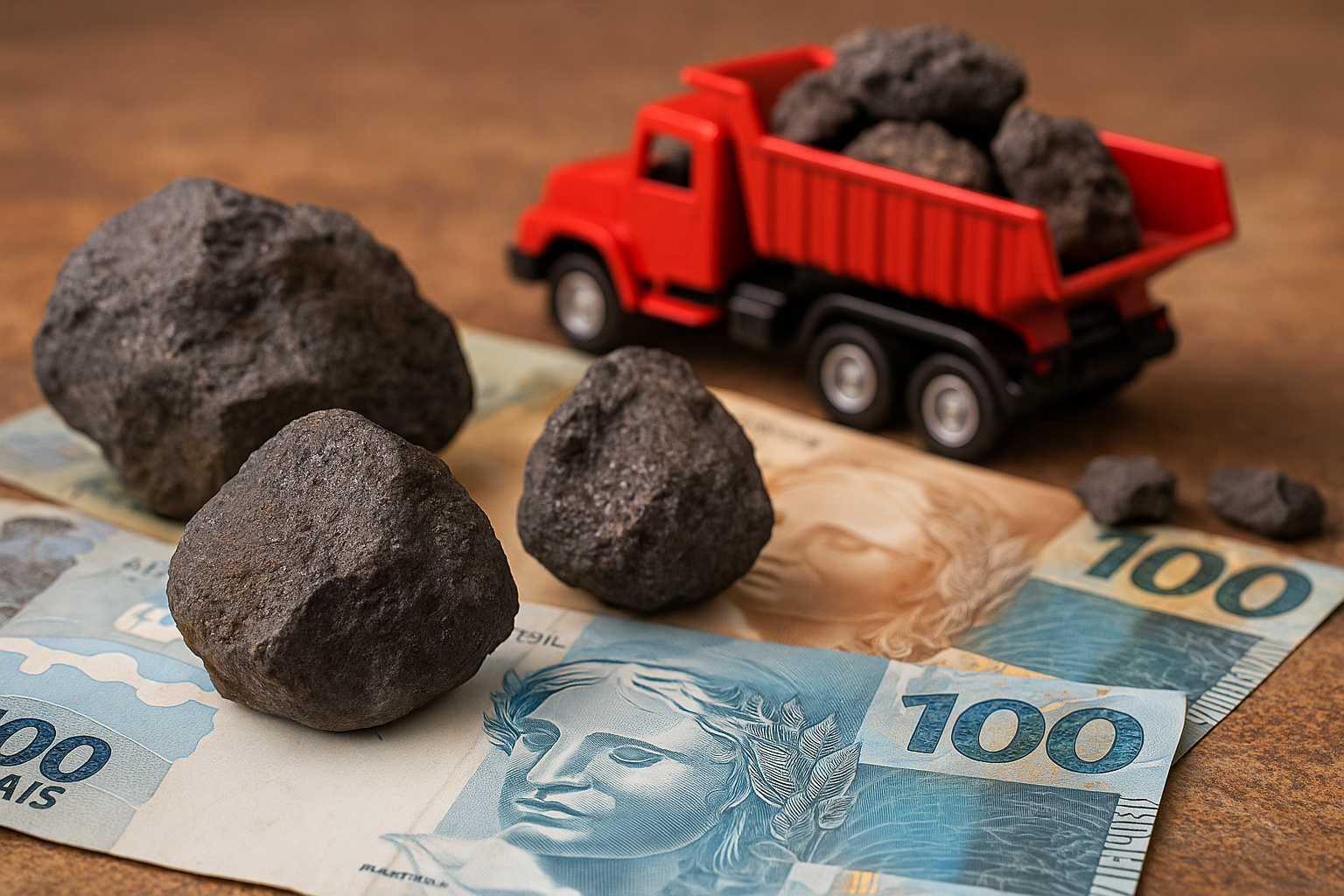
Manganese is now one of the most strategic minerals in the world and, for this reason, has gained prominence in different sectors. Essential for the production of strong steels, it is also fundamental in the manufacturing of electric batteries. Moreover, the mineral has become a central piece of the global energy transition, which is redefining positions among the main industrial powers and intensifying the competition between Brazil and China.
For decades, Brazil ranked among the largest producers of manganese on the planet. However, since 2021, the scenario has changed. Vale, which previously led the sector, sells its key assets and, consequently, reduced its market presence. Then, in 2023, Buritirama Mining, the largest producer in Latin America, filed for bankruptcy according to Brazilian justice due to debts with the Dutch company C. Steinweg Handelsveem. Thus, these events marked the beginning of a new and challenging phase for the country.
Geological Investigation and Global Distribution of Reserves
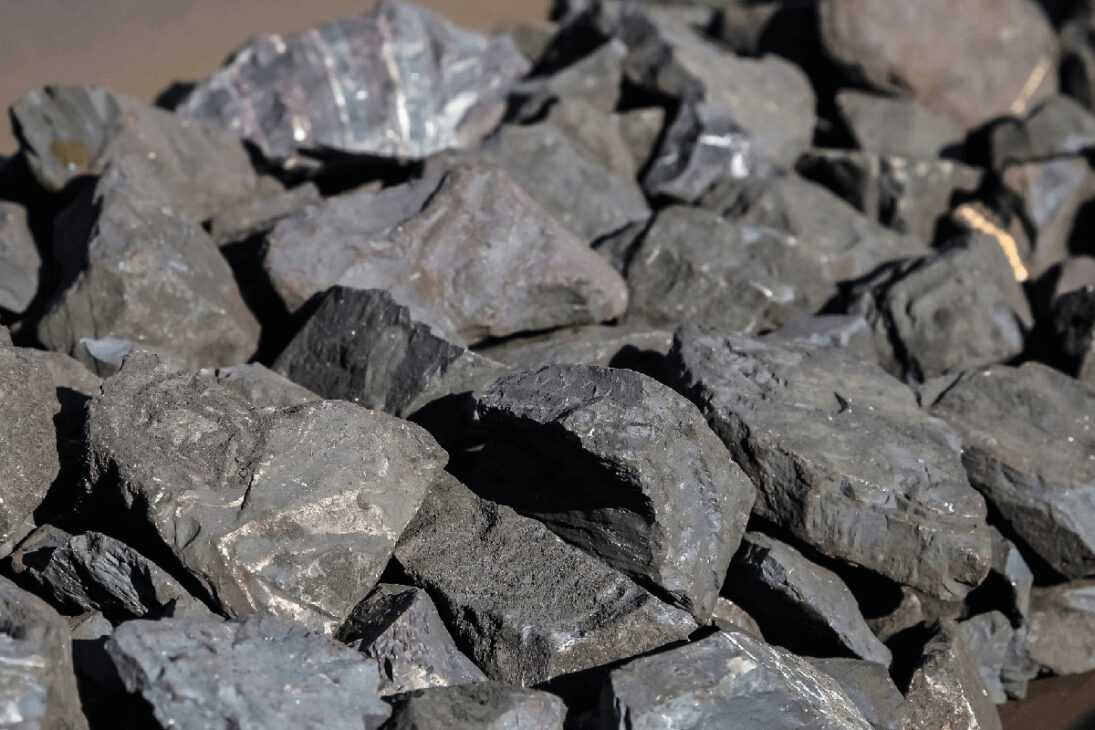
The International Manganese Institute states that the mineral is present in over a hundred types of rocks and appears mainly in the form of oxides. Among them, the most common minerals are pyrolusite, psilomelane, and manganite.
-
U.S. Invests $75 Million in Projects to Extract Rare Earths, Gallium, Germanium, and Aluminum from Coal Waste

-
Eni Acquires 25% Stake in Chilean Lithium Project, Plans to Invest Up to $225 Million in Eco-Friendly Extraction Method
-
Mexico’s Giant Crystal Cave: A Deadly 58°C Underground Palace with 11-Meter Crystals Formed Over Nearly a Million Years

-
China Dominates Over 90% of Rare Earth Refining, Prompting Global Concerns: Canada and Japan Launch Billion-Dollar Plan to Reduce Dependency and Safeguard Batteries, Semiconductors, and Defense


Currently, the largest known reserves are in South Africa, followed by Australia, China, and Brazil. In Brazilian territory, the richest deposits are in southeastern Pará, in the Carajás region, according to data from the Geological Service of Brazil. Additionally, the country still has smaller reserves in Mato Grosso do Sul and Bahia, which maintain exploration potential.
Manganese is widely used in metallurgy, in aluminum alloys, in water treatment, and, more recently, in lithium-ion batteries. Thus, the mineral has transitioned from a material focused solely on metallurgy to becoming a vital element of the clean industry. Therefore, it plays a strategic role in the modern economy.
Chinese Domination and Concentration of Refining
Despite the wide global distribution, China dominates over 90% of the refining capacity of manganese destined for electric batteries, according to data from 2023. Additionally, the Asian country is also the world leader in ferroalloys, especially in ferro-silicon-manganese, accounting for 68% of global supply.
Following closely are India (14%), Japan (8%), and Malaysia (7%), reinforcing Asia’s power over the value chain. In the case of low-carbon ferromanganese, China holds 44% of global production, while India accounts for 22%. Consequently, these numbers reveal a global structural dependence, in which Chinese refining is the most sensitive point of the industry.
Companies and Reconfiguration of the Brazilian Sector
With the gradual exit of Vale, new national protagonists have emerged. LHG Mining, run by the Batista brothers, entered the market in 2022 by buying Vale’s assets in Mato Grosso do Sul. Currently, it is the second largest producer in the country and seeks to expand its operations.
At the same time, in refining, Maringá Ferro-Liga, in São Paulo, and Nexus Ligas, in Minas Gerais, are the largest Brazilian producers of manganese alloys with iron and silicon. These companies, therefore, ensure internal supply and strengthen the national manufacturing industry.
Meanwhile, abroad, companies like South32 (Australia), Ntsimbintle Holdings (South Africa), Eramet (France), Assmang (South Africa), China Minmetals, and Sinosteel (China) continue to dominate extraction and refining. Since 2024, Ntsimbintle Holdings has begun the transfer of assets to Exxaro, further consolidating South Africa’s power in the global market.
Energy Transition and the Future of Manganese
With the advancement of global decarbonization, manganese has become a key component of the electrical and automotive industries. Thanks to its strength and storage capacity, it is widely used in electric vehicle batteries. Additionally, its relative abundance and low production cost make it even more attractive for the global market.
For this reason, manganese is on the list of the eight most valued critical minerals of the decade. It appears alongside nickel, lithium, niobium, cobalt, copper, graphite, and rare earths. Thus, the mineral has been seen not only as an industrial raw material but also as a strategic asset for clean energy.
However, the trajectory of manganese, which ranges from the steel era to the peak of batteries, shows that Brazil still needs to regain global relevance. To achieve this, the country must invest in technology, governance, and sustainability, as well as review mining incentive policies.
Therefore, the question that remains is: Will Brazil seize this historic opportunity to return to the top of the global market or continue exporting only raw potential while other countries refine the future?