






 Portuguese
  Spanish


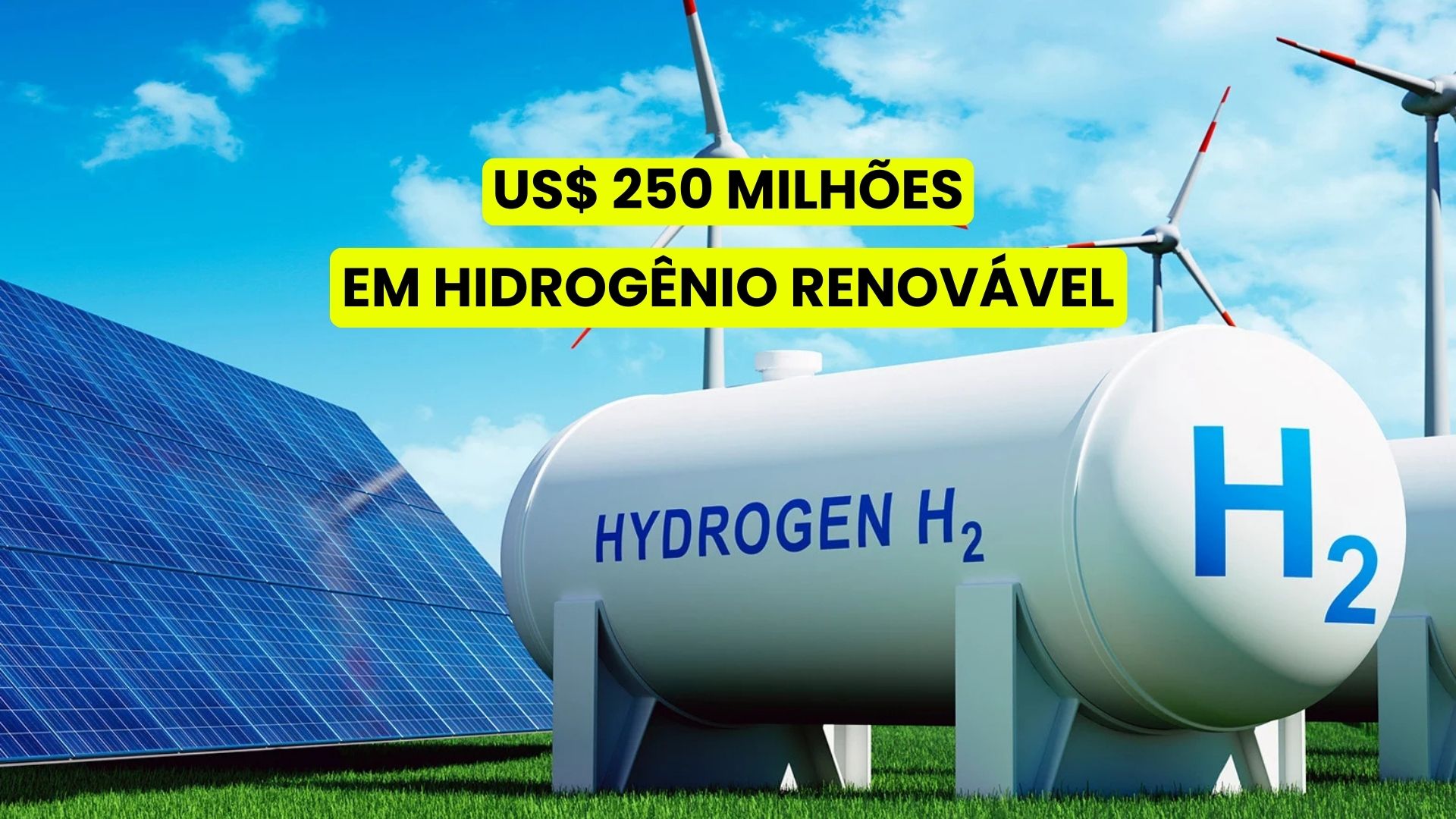

The B2H2 Consortium in Paraná Attracts Up to US$ 250 Million to Produce Renewable Hydrogen from Biogas, Strengthening the Energy Transition and Generating New Carbon Credits in Brazil
Brazil is advancing in its decarbonization strategy with the arrival of new investments focused on renewable hydrogen. The recent highlight is the B2H2 Consortium, an initiative based in Paraná that will receive part of international funding of up to US$ 250 million. The proposal aims to transform biogas into clean fuel, generating carbon credits and strengthening sustainable energy transition.
Selected among the five Brazilian projects supported by the Climate Investment Fund – Industry Decarbonization (CIF-ID), the consortium brings together Copel, research institutions, and private companies to create an innovative model for hydrogen production and use. This choice places Paraná among the main energy innovation hubs in the country.
B2H2 Consortium Unites Copel and Research Institutions
The B2H2 Consortium (Biogas-to-Hydrogen) is formed by organizations working in different areas of the energy sector, combining the experience of Copel, technology companies, and research centers. The goal is clear: to transform waste from sewage treatment plants into low-carbon hydrogen.
-
Brazilian scientists are simultaneously advancing two research projects on clean hydrogen and driving solutions that could transform the energy matrix, enhance industrial competitiveness, and accelerate large-scale emission reduction targets.

-
Advancement in renewable energy: A R$ 150 million project launched by Petrobras and Finep aims to create state-of-the-art electrolyzers for green hydrogen, strengthening national research and preparing Brazil to compete in a billion-dollar energy market.
-
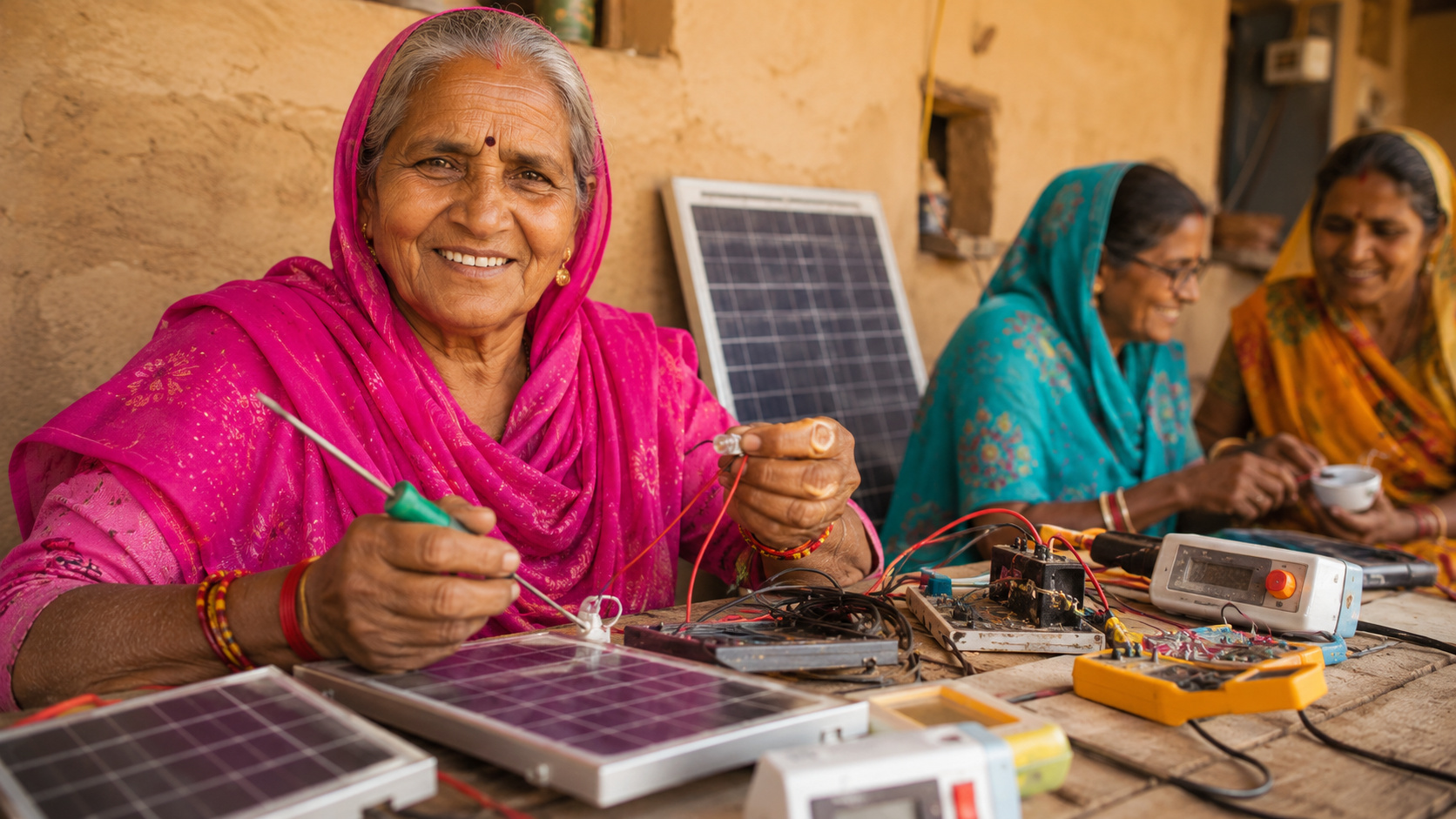
Illiterate or semi-literate grandmothers were trained to repair solar systems, open rural workshops, and light up homes that still depended on kerosene.
-
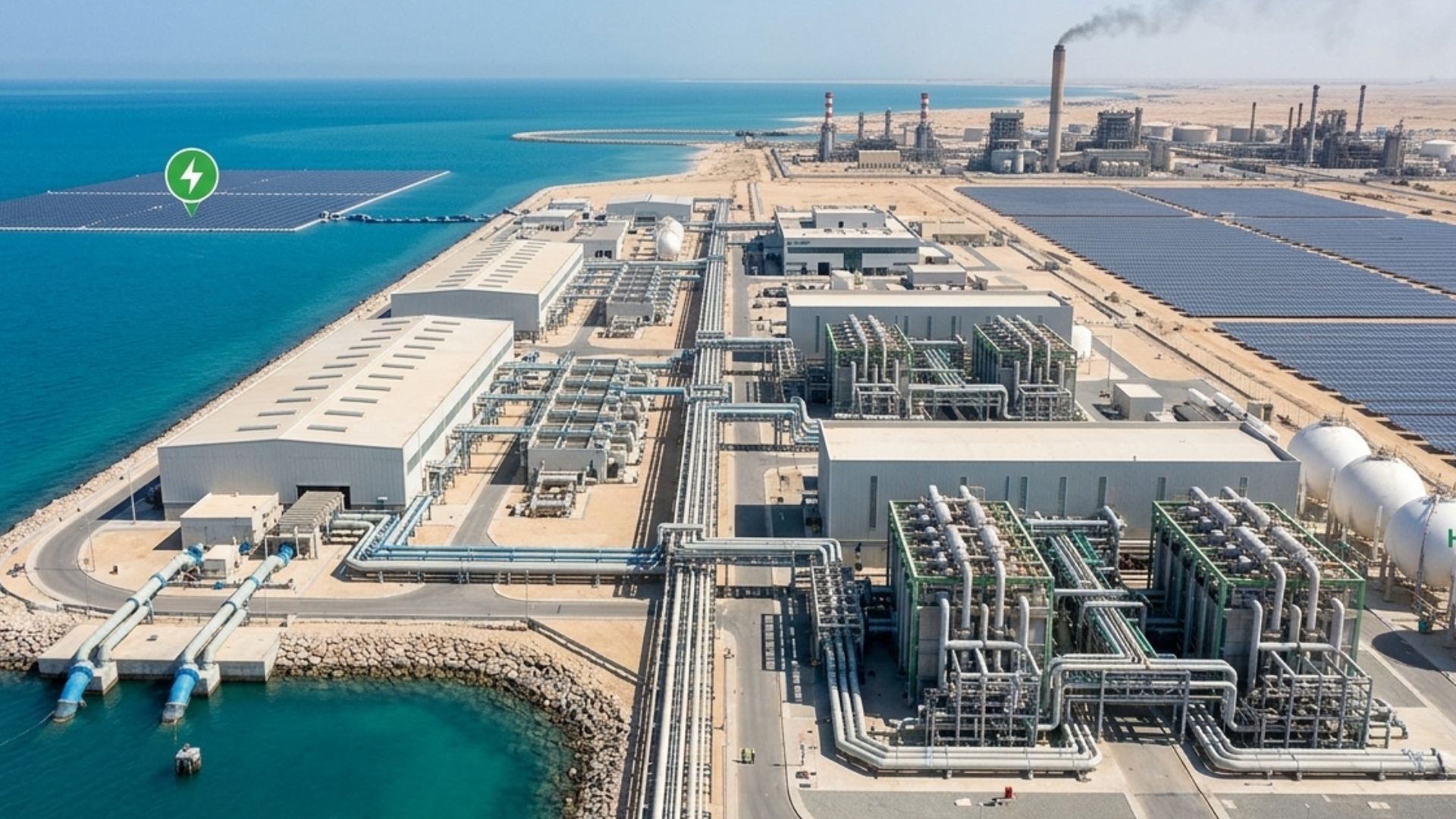
The world has bet on green hydrogen as the fuel of the future, but now faces the side effect: producing 1 kilogram requires about 9 liters of ultrapure water, and the largest projects on the planet are precisely in the driest regions of the Earth, where water is already scarce for people.



This partnership model is considered strategic, as it aggregates different specialties. Copel contributes with infrastructure and experience in the electricity sector, universities bring scientific knowledge, and startups apply cutting-edge technological solutions. Together, these entities form an innovation ecosystem capable of accelerating the energy transition in the state.
Biogas as Raw Material for Renewable Hydrogen
The project’s differential lies in the use of biogas, a byproduct resulting from the decomposition of organic matter in sewage treatment plants. Instead of being wasted or generating emissions, this gas will be converted into hydrogen through reforming and carbon capture technologies.
Studies indicate that the first demonstration unit could produce around 100 tons of hydrogen per year, with the possibility of gradual expansion to up to 7 thousand tons annually if the model is replicated in other locations in Paraná. This volume would be sufficient to supply part of the industry and freight transport, sectors that currently rely heavily on fossil fuels.
In addition to production itself, the project provides for the capture of carbon dioxide released in the process. This CO₂, when converted into carbon credits, generates additional revenue and strengthens the role of the circular economy, where waste becomes valuable resources for new productive chains.
Paraná as a Reference in Energy Innovation
The environmental and economic impact of the project is significant. With the potential to reduce up to 325 thousand tons of CO₂ per year, the initiative directly contributes to Brazil’s emission reduction targets set in the Paris Agreement.
From an economic perspective, the project reinforces Paraná’s image as a reference in energy innovation. The arrival of international resources creates conditions for new jobs, development of local research, and attraction of industries interested in operating with a cleaner matrix. In addition, it strengthens Brazil’s image as a reliable destination for sustainable investments.
Insertion of Renewable Hydrogen in the Global Scenario
In the international context, hydrogen is increasingly becoming prominent. According to the International Renewable Energy Agency (IRENA), hydrogen and its derivatives could account for around 12% of final energy consumption by 2050, playing a strategic role in the global energy transition. Countries like Japan and Germany are already leading initiatives for import and industrial use, while the European Union has launched plans to invest billions of euros in the sector.
The selection of the B2H2 Consortium places Brazil within this global movement. By focusing on hydrogen produced from biogas, the country shows it can combine technological innovation with environmental sustainability. This approach could open doors for future exports, especially to markets seeking reliable clean energy suppliers.
Challenges and Opportunities for the B2H2 Consortium
Although promising, the path still has obstacles. The cost of hydrogen production on a small scale is high, and transportation and storage infrastructure needs to be expanded. Furthermore, Brazil still lacks specific regulations to encourage the large-scale use of the fuel.
On the other hand, the opportunities are vast. The country has an abundance of biomass and urban waste, inputs that can be transformed into biogas. By leveraging them, a virtuous cycle is created that generates jobs, reduces environmental impacts, and positions Brazil as a competitive supplier in a global market estimated at US$ 500 billion annually by 2050.
Role of Copel in the Advancement of Renewable Hydrogen
Copel, as one of the largest electricity companies in the country, takes a leading role in the consortium. Its experience in generation, transmission, and distribution of energy is fundamental to scaling the project.
In recent years, the company has invested in renewable sources such as solar and wind energy, and is now expanding its operations to the field of renewable hydrogen. This reinforces its role as an innovation agent and ensures that Paraná has a solid foundation for leading the energy transition in Brazil.


Future of Biogas Production in Paraná
Paraná is already a national highlight in energy generation projects from waste. The expansion of biogas use for hydrogen production strengthens this vocation. Agriculture and basic sanitation are sectors with great potential for raw material supply, allowing the energy chain to integrate even more into the local economy.
Prospects include:
- Export of hydrogen to European Union countries.
- Creation of sustainable industrial hubs in the interior of the state.
- Use in urban bus fleets powered by fuel cells.
- Generation of new revenue with carbon credits.
These factors place Paraná in a strategic position to become a global hub for clean energy innovation.
Why Is This Project Relevant to Brazil and the World?
The announcement of investments of up to US$ 250 million in the B2H2 Consortium marks a turning point in clean energy production in Brazil. The initiative shows that the energy transition is not just a distant goal, but is already underway in the present.
For the country, it means diversification of the energy matrix, increased competitiveness, and reduction of emissions. For the global market, it represents the entry of a new player capable of offering competitive renewable hydrogen. And for society, it paves the way for green jobs, technological innovation, and a more sustainable future.
In a world that seeks to reduce dependence on fossil fuels, initiatives like this strategically position Brazil. The B2H2 Consortium, led by Copel and with international support, can become a model of the circular economy and sustainable development, inspiring other regions and expanding the country’s presence in the low-carbon economy.








