






 Portuguese
  Spanish
  4 min of reading
  0 comments


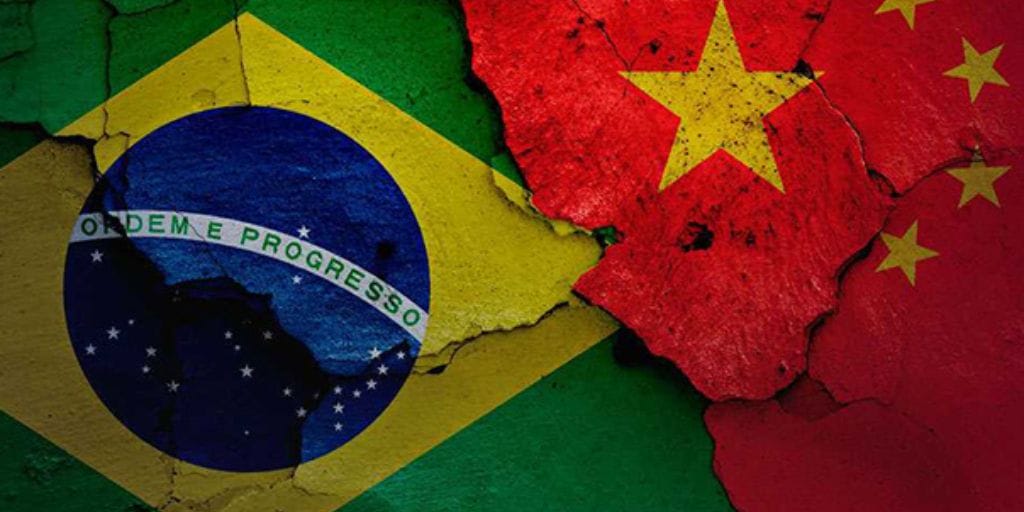
Did You Know That Every Second, the Trade Relation Between Brazil and China Moves the Equivalent of a Luxury Car? Yes, You Read It Right!
The trade between the two economic giants reaches impressive figures that reveal the power of this alliance. If you think this is just a curiosity, get ready for a surprising discovery about the magnitude of this partnership.
According to updated data, the daily trade between Brazil and China generates an impressive amount of R$ 2.75 billion.
This is equivalent to R$ 115.4 million per hour, R$ 1.9 million per minute, and about R$ 31,700 per second. To understand the dimension of this relationship, it is essential to analyze the phenomenal growth that has occurred in the last 20 years.
-
São Paulo Offers Over 13,000 Job Openings: Opportunities in Industry, Logistics, and More Across the State

-
Brazil’s BNDES Allocates $65 Million to Fund 85,000 E-Bikes for App-Based Delivery Workers, Offering Purchase Discounts and Leasing Options to Boost Income and Improve Delivery Operations
-
JBS Invests Nearly $160 Million in Texas Megaproject to Expand Beef Production and Operations Through 2027

-
The urgent need to implement a severe cut in public spending and a massive increase in taxes, in addition to drastically compromising the quality of basic services and the purchasing power of the population, could result in social unrest in the country, with the population leading protests, strikes, and frequent disturbances.


Partnership Is Elevating in Numbers
In 2001, bilateral trade was only US$ 1 billion per year, according to information from the site Revista Oeste. Today, this figure has jumped to US$ 1 billion every two days. Brazilian agribusiness plays a crucial role in this success, especially with beef, one of the standout products.
In 2010, Brazil exported 123,000 tons of this protein to China; by 2023, the volume skyrocketed to 2.37 million tons.
In the first half of 2024, Brazil exported 1.29 million tons of beef, marking an increase of 238% compared to the same period the previous year.
This sharp growth demonstrates the increasing global demand for Brazilian products. In addition to meat, Brazil has diversified its exports, reaching new markets and expanding its global presence.
Brazilian agribusiness has shown remarkable expansion in its exports to countries on all continents. In 2023, for example, Brazil exported eggs with a growth of 168%, reaching 25.4 thousand tons.
The main destination was Japan, followed by Taiwan and Chile. This substantial increase is driven by factors such as biosecurity and excellent production indicators.
Another standout area is the bovine leather sector. Between January and June 2024, exports of saddles and harnesses totaled R$ 22 million, with 65% of this amount going to the USA, followed by Canada and Uruguay. Rio Grande do Sul is responsible for 54% of these exports.
Beyond Agriculture
The Brazil-China partnership is not limited to agribusiness. In terms of investments, China has been one of the largest foreign investors in Brazil.
In 2023, Chinese investments in Brazil exceeded R$ 35 billion, focusing mainly on strategic sectors such as infrastructure, energy, and technology.
Infrastructure projects, such as the construction of railways and ports, are clear examples of this collaboration. In addition, Chinese companies are actively involved in modernizing the Brazilian telecommunications sector.
In the field of technology, Brazil and China have also expanded their collaborations. Chinese technology companies, such as Huawei and Lenovo, have invested in Brazil, promoting innovation and technological development.
In 2024, a new research and development center of Huawei was inaugurated in São Paulo, aimed at creating technological solutions tailored to the needs of the Brazilian market.
The environmental and social impact of the partnership is also an important point. Although the trade relationship brings significant economic benefits, it is crucial to consider the environmental concerns associated with the growth of exports.
The pressure to meet growing demand can lead to challenges related to sustainability and the use of natural resources. Initiatives to mitigate these impacts are being developed, focusing on sustainable agricultural practices and stricter environmental regulations.
Cultural Exchange Between Brazil and China
Moreover, the partnership has promoted cultural and educational exchange between the two countries.
Academic and cultural exchange programs have helped strengthen ties between the nations and promote greater mutual understanding.
The presence of Chinese cultural centers in various Brazilian cities and the holding of cultural and educational events have contributed to the exchange of knowledge and experiences.
The growing collaboration between Brazil and China reflects not only the economic strength of these nations but also the strategic importance of the partnership on the global stage.
The impact of this relationship is visible across various sectors and in the continuous evolution of Brazilian export agendas. This partnership is a clear example of how international collaboration can drive economic growth and promote development on multiple fronts.
What do you think about this partnership between Brazil and China? Leave your comment and share your opinion on the influence of this global collaboration!




Be the first to react!