Portuguese
  Spanish


United States and Israel Announce Strategic Partnership to Develop Hydrogen-Powered Drones Capable of Launching Attacks up to 290 km Away. The New Technology Seeks to Combine Energy Efficiency and Offensive Power with Performance Close to that of HIMARS Systems
Mach Industries, a California-based company, has partnered with Israeli manufacturer Heven Drones to develop hydrogen-powered drones for military use in the United States.
The project aims to enhance the autonomy and efficiency of the equipment while reducing dependence on foreign suppliers in the sector.
The drones will be powered by hydrogen fuel cells, a technology that promises to improve operational performance and make operations more sustainable. According to experts involved in the project, this innovation could represent a significant advancement in military strategy.
-
New Brazilian Frigate Equipped with Advanced Missiles and Radars to Safeguard Strategic Maritime Areas

-
New Brazilian Frigate Equipped with Advanced Missiles and Radars to Protect Strategic Maritime Areas, Including the Blue Amazon and Pre-Salt Reserves
-
China Unveils Laser Weapon Capable of Instantly Neutralizing Military Drones, Marking a Significant Advancement in Air Defense Technology
-
U.S. Navy’s Ticonderoga-class Cruiser Becomes a 9,800-Ton Missile Fortress with Advanced Aegis System Capable of Tracking Hundreds of Targets


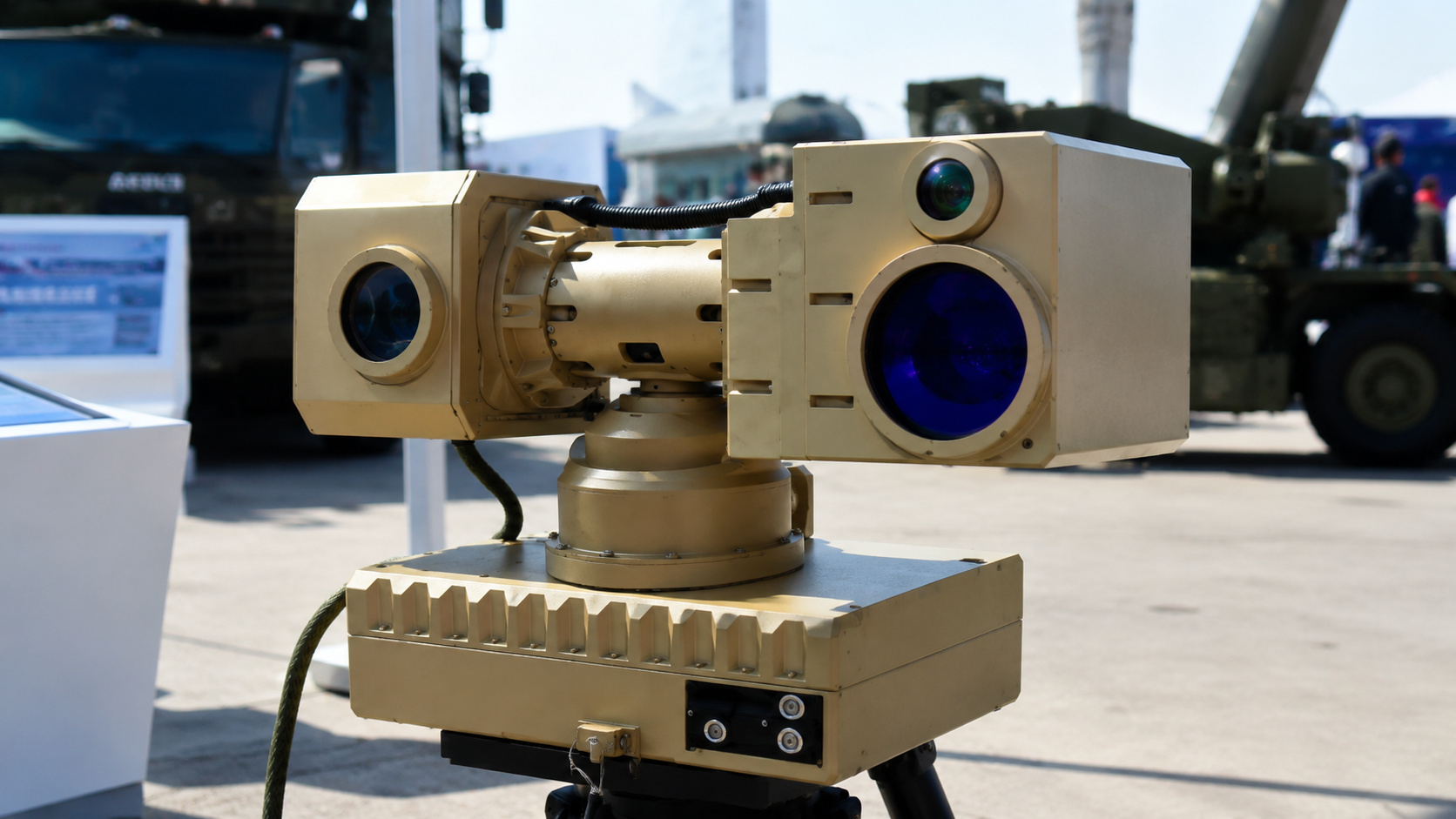

New H2D250 Drone Aims to Enhance Operational Capabilities
The H2D250 model, the highlight of the partnership, is a high-performance drone that can reach targets up to 290 kilometers away, carrying a warhead of up to 10 kilograms. These features make it comparable to systems like HIMARS, used for long-range attacks.
According to Benzion Levinson, CEO of Heven Drones, the initial expectation is to produce about 1,000 units per month. With the expansion of industrial capacity, the company aims to reach a daily production scale of up to 1,000 drones, a volume that will require substantial investments and optimization of the assembly lines.
The initiative is based on decades of research on hydrogen fuel cells in the United States. In the 1990s, NASA conducted experiments with unmanned aircraft powered by this type of energy.
Designed by AeroVironment, these vehicles were conceived for atmospheric research and communication transmissions.
Military Research and Strategic Advantages
In addition to NASA, the Office of Naval Research also dedicated itself to studying hydrogen fuel cells, exploring alternatives for military operations in the field.
The technology has strategic advantages, especially in missions that require stealth, generating less noise and reducing the thermal signature, making it harder for enemies to detect.
Another benefit pointed out by researchers is the reduced environmental impact. Since the only waste from the electrochemical reaction of the fuel cells is water, the drones align with the Pentagon’s initiatives to decrease carbon emissions.
According to Levinson, half a kilogram of hydrogen fuel can keep a drone in flight for about 10 hours, a significantly longer time than that achieved by equipment powered by traditional batteries. This extended range could be an important differentiator in prolonged military operations.
Moreover, recent advancements in technology have allowed for the integration of advanced autonomy features in drones. This enables the aircraft to operate with less need for human intervention, reducing the risk of cyber attacks that could compromise communication between operators and equipment in the field.
Challenges in the Supply of Components
Despite the potential of the new technology, there are challenges to be overcome. China still dominates the production of essential components for batteries and fuel cells, which could hinder large-scale production of the new drones in the United States.
The partnership between Mach Industries and Heven Drones seeks to reduce this dependence by creating a more autonomous and reliable supply chain for the defense industry.
The goal is to ensure that U.S. military forces have access to modern equipment without needing to rely on strategic inputs from rival countries.
Another initiative from Heven Drones to address this issue is to develop mobile hydrogen refueling stations. These points could be installed in remote locations, facilitating supply logistics and making operations less vulnerable to potential difficulties in the supply chain.
The advancement of hydrogen-powered drones could transform the way military operations are conducted, offering greater autonomy, discretion, and energy efficiency.
If production reaches the planned volumes, the United States could significantly enhance its aerial capabilities without compromising the energy security of the sector.
With information from Interesting Engineering.