Portuguese
  Spanish


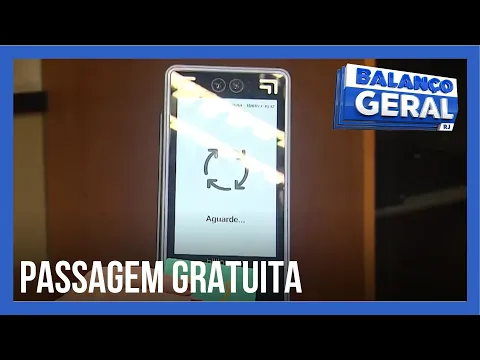
As of August 2nd, the Jaé, new electronic toll system of Rio de Janeiro, will be mandatory to secure discounts on integrated travel between the metro and municipal transports, such as BRT, vans, VLT, buses, and cabritinhos. The measure, which does not affect users of the Intermunicipal Unified Ticket (BUI), aims to unify payments and facilitate fare integration, according to the City Hall and Metro Rio.
The Jaé validators have already begun to be installed at metro stations, and the use of the card will be required to access promotional fares in municipal modalities. Passengers who do not use the system will need to pay the full fare, without the integration discount. Therefore, Metro Rio advises users to keep two cards — Jaé and RioCard — to avoid losing fare benefits during the transition period.
Companies that provide transport vouchers should also pay attention to the changes, purchasing credits on both cards according to the needs of their employees. So far, more than 3 million people are already registered in Jaé, with 1.1 million cards distributed in the last 30 days, representing about 37% of daily trips in the fluminense capital.
Prices of Integration with the Jaé
With the new system, the integrated fares between the metro and municipal transports will function with fixed values, depending on the modal. See below how much each integration will cost:
-
New Smart Radar Begins Issuing Fines to Solo Drivers in Carpool Lanes, Uses Cameras to Count Occupants, Changing Traffic Enforcement Rules on Busy European Roads

-
Why can the crane operator only obey the correct signalman on the construction site: among dozens of workers, a hand raised by the wrong person can confuse the maneuver and turn a load of tons into an immediate risk.
-
What changes with the new public transportation rules that can reduce pressure on fares and pave the way for zero fare in Brazil?
-
Argentina confirms Belgian giant to lead strategic Paraná River waterway and promises to reduce logistical costs on one of South America’s most important routes


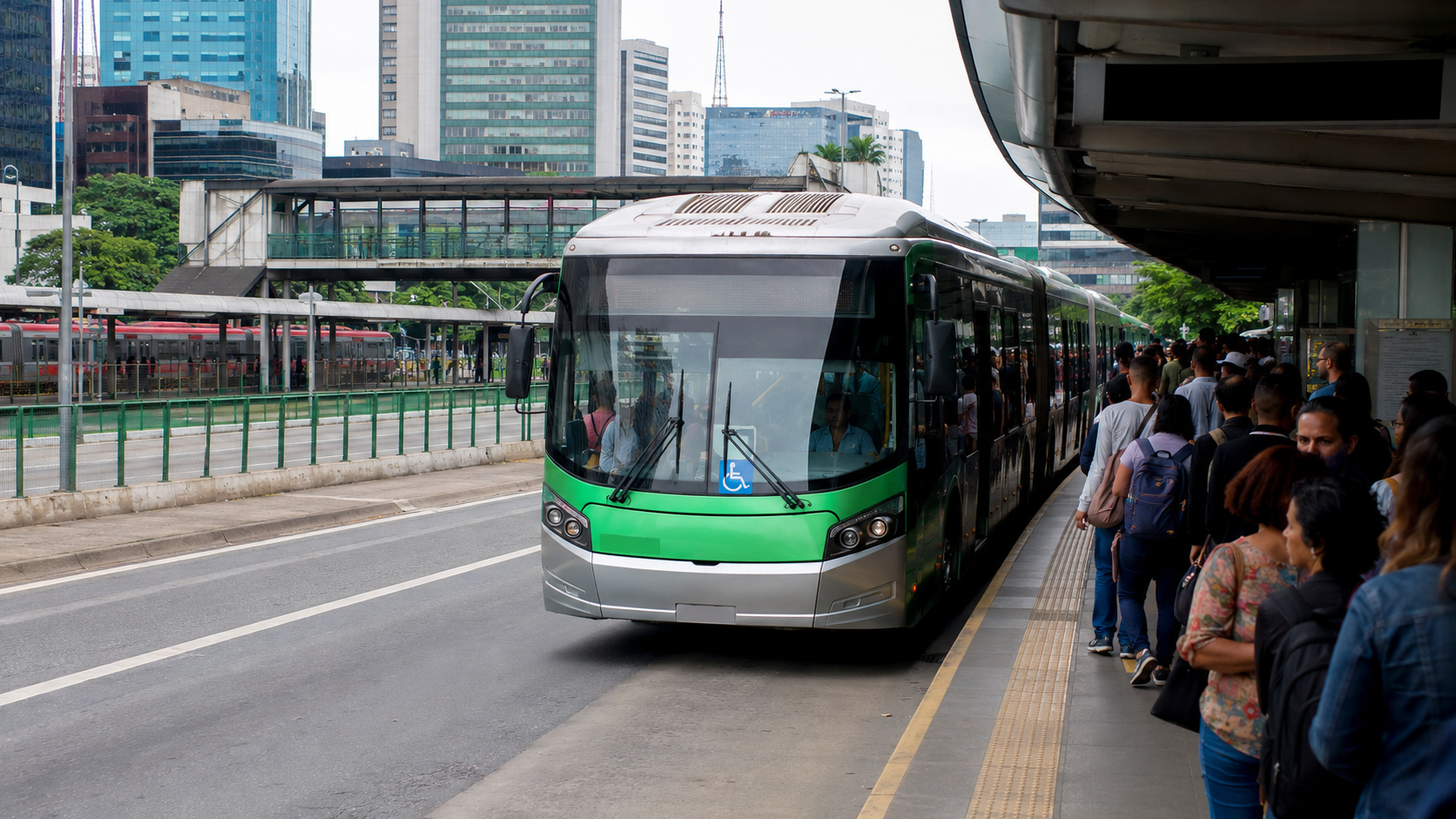

- Metro + BRT: R$ 9.70 (stations Vicente de Carvalho – Line 2 and Jardim Oceânico – Line 4). Without the discount, the price would be R$ 12.60.
- Metro + municipal bus (lines 309, 538, 539, 548, 583, and 584): only the metro fare of R$ 7.90 is paid.
- Metro + van (Rocinha and Vidigal): R$ 8.80.
In intermunicipal transports, the operation varies according to the passenger’s income. Those earning up to R$ 3,205.20 and are beneficiaries of the Intermunicipal Unified Ticket (BUI) will continue to receive discounts offered by RioCard, paying R$ 5 on the metro and trains and R$ 4.70 on the ferries.

Passengers earning above this amount and using the RioCard Mais, without access to the BUI, will need to use two cards: RioCard for intermunicipal transport and Jaé for buses and municipal modalities, paying both full fares.
Future of Jaé and System Unification
An agreement between the City Hall and the State Government provides for studies so that, in the future, the Jaé becomes the only card accepted on the metro and trains for travel exclusively within the municipality of Rio. The goal is to simplify the system and reduce the need for multiple cards, although there is no set date for this unification.
Information about fares and integrations has been released by G1 and official communications from Metro Rio, which emphasize that passengers should prepare ahead of the deadline to avoid disruptions.
And you, have you secured your Jaé card or will you wait to see how the new system will function in everyday life?