Portuguese
  Spanish


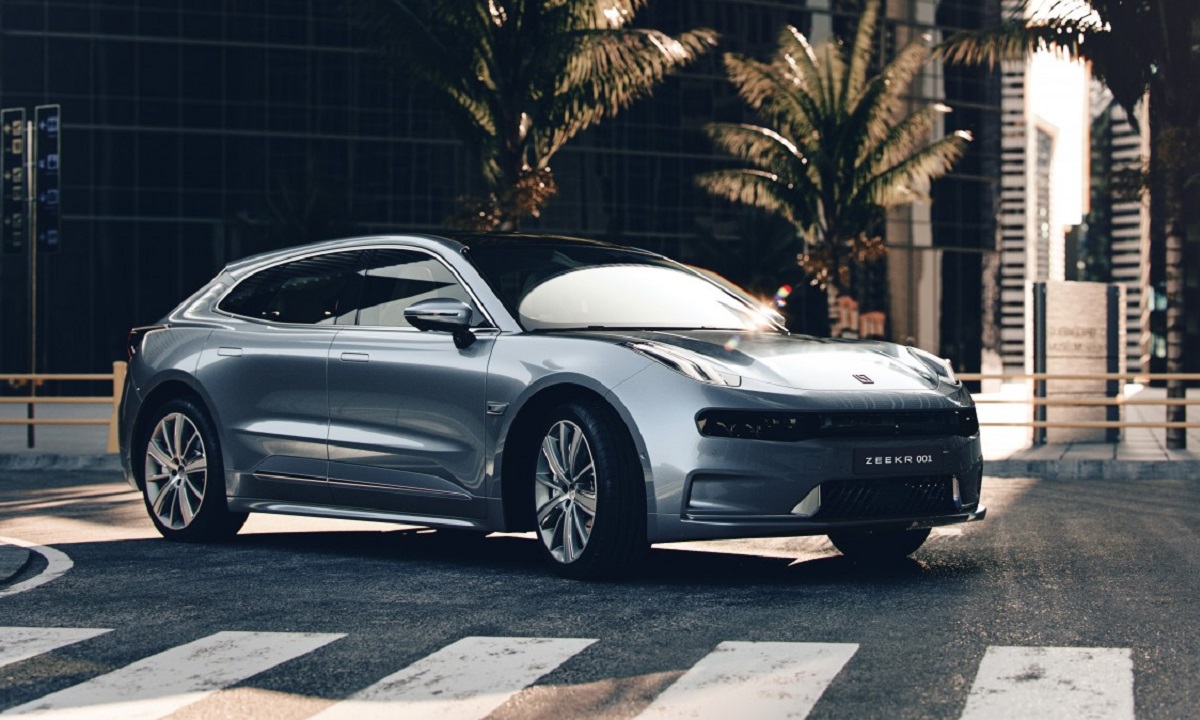

The New Production Electric Car Breaking This Extraordinary Mark Is The Zeekr 001s EV, From China’s Geely. The Vehicle Still Has A Limited Number Of Units But Is Already A Milestone In The Automotive Sector
This January, for the first time in history, a production electric car managed to reach 1000 km without needing a single recharge of its battery, meaning a milestone in this rapidly rising sector. Created by China’s Geely, the Zeekr 001s EV is the electric vehicle that has initiated the technology that will allow electric cars of the future to cover increasingly long distances without needing to recharge first.
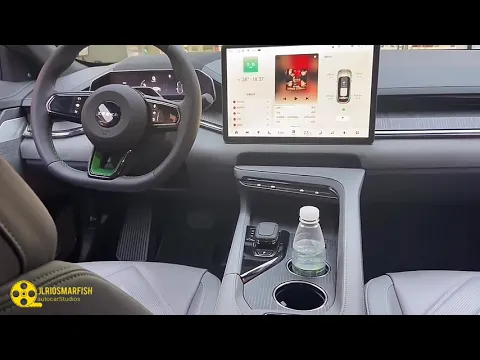
According to Zeekr, the production electric car surpassed 1032 km without needing a recharge, and in addition, the car has a range of onboard technologies. Among the main equipment that the vehicle has is its central screen of 14.7 inches and its mini screen of 5.7 inches for the rear seat occupants.
In light of such significant changes in the market, the electric car sector is increasingly becoming a key player in the technology landscape. With a vast array of innovations, the biggest challenge automakers face is the autonomy of batteries and their recharging.
-
1983 Chevrolet Runs Over 100,000 km Without Gasoline, Powered by Wood Chips, Reaches 125 km/h in Airport Test

-
Workshop Converts Giant Tractor Tire Tricycle into a Three-Wheel Drive Hybrid with 36,000-Watt Electric Motor Capable of Climbing Hills

-
Chery Offers Lifetime Battery Warranty and Car Replacement for Major Failures Under New Chinese Regulations
-
Sales of Brazil’s Cheapest Electric Car Halted Before First Deliveries: E-Motors Suspends Emova Easy Due to Import Tax Increase and Rising Freight Costs





Meet The Zeekr 001s

Challenges of the Electric Automotive Sector
According to Sérgio Habib, electronic engineer at JAC Motors in Brazil, the challenge of the production electric car sector is the batteries. This is because automakers are always seeking the highest energy density of batteries for their electric cars, that is, a greater storage capacity of the battery.
Therefore, the automaker that manages to combine an efficient battery in a production electric car without increasing size, can also create a super-efficient electric car that can last a long time without needing to recharge.
According to Habib: “An alternative to the energy density of batteries is to increase their size. The larger they are, the more they tend to provide autonomy gains, in addition to enabling the use of more powerful motors”.