






 Portuguese
  Spanish


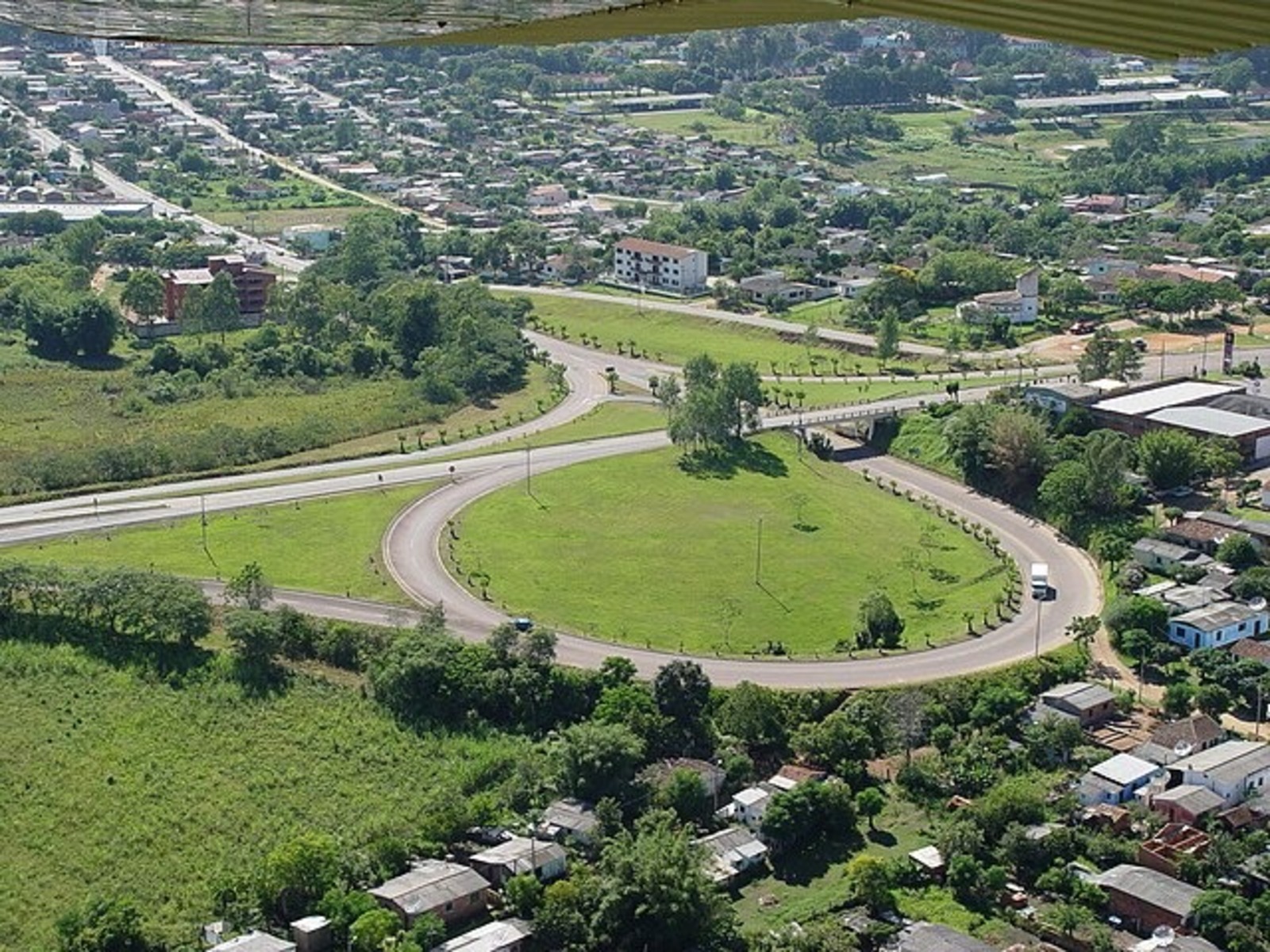

Cachoeira do Sul Came Back to the Spotlight Because It Brought Together Its Tradition in Rice, Its Historical Symbols, and the Surprise of the New Mega-Sena Winner
Anyone looking at the map of Rio Grande do Sul might not imagine that a city with just over 80,000 inhabitants brings together tradition, agricultural prominence, and now, a Mega-Sena winner. That’s how Cachoeira do Sul made headlines again because a resident took home the prize from contest 2943 all by himself. The win energized the local routine and reignited interest in the history of the municipality.
Located on the banks of the Jacuí River, the city is considered the third oldest urban center in the state. It was founded as a commercial outpost and over time gained importance by becoming a reference in food production.
In addition, it is now recognized as the National Capital of Rice, a title that reinforces its connection to the countryside.
-
At 14 years old, she worked in a factory in Hong Kong, studied economics abroad, and then entered the Chinese real estate market, which helped change the landscape of Beijing.

-
While NATO secured more than $10 billion in missiles and space surveillance at a single forum, Brazil still spends 1.1% of its GDP on defense and is stalling its own anti-aircraft system.

-
Corn ethanol attracts R$ 23 billion in 21 new plants and prepares for a nearly 50% jump in Brazilian production by 2027, even with high interest rates.
-
A newly opened terminal in the middle of the Amazon has begun transporting soy and corn through Amapá, eyeing the queue of ships that is congesting the ports in the South.


A Tradition Built by Rice
Agriculture has shaped the territory and economy of Cachoeira do Sul. The region ranks among the largest rice producers in the country, thus hosting activities that drive the entire grain cycle. Fenarroz, created in 1941, symbolizes this prominence.
The fair is considered the oldest rice exhibition in Brazil and brings together producers, investors, and authorities to discuss technology and productivity.
The flat and irrigable areas provide favorable conditions for cultivation. Farmers began planting in the early 20th century when they adapted the first floodplains to the irrigation system.
This movement solidified the grain as an economic base and strengthened the city’s presence in the sector.
Today, thousands of jobs depend on this cycle. Agribusiness attracts investments and maintains a complete chain that involves processing industries, drying units, input factories, and maintenance services.
Cooperatives and research centers complete this structure, which supports local development.
The Winning Ticket That Caught Attention
The draw that moved Cachoeira do Sul took place in contest 2943 of the Mega-Sena. A simple bet won R$ 14,986,158.02 after hitting the numbers 08, 29, 30, 36, 39, and 60.
The ticket was registered through Caixa’s electronic channels, so the winner celebrated discreetly. The news quickly circulated around the city, adding a new chapter to the daily life of the National Capital of Rice.
Heritage That Reinforces Identity
In addition to its economic strength, Cachoeira do Sul preserves historical and natural elements that help tell its own story.
The Figueira das Três Pontes is one of those symbols. Over 140 years old, the tree is considered the largest of the Ficus organensis species in the world.
Its extensive canopy impresses those who pass by because it dominates the landscape and keeps part of the collective memory alive.
Another significant point is the visit of Dom Pedro II in 1846. The record of this moment reinforces the strategic role the city played during the economic expansion along the banks of the Jacuí.
A Preserved Heritage
The Cathedral Nossa Senhora da Conceição also represents this past. Built in a neo-Gothic style, it houses German bells and restored stained glass that keep alive the influence of the immigrants who helped shape part of Cachoeira do Sul’s identity.
With information from Money Times.








