






 Portuguese
  Spanish
  4 min of reading
  0 comments


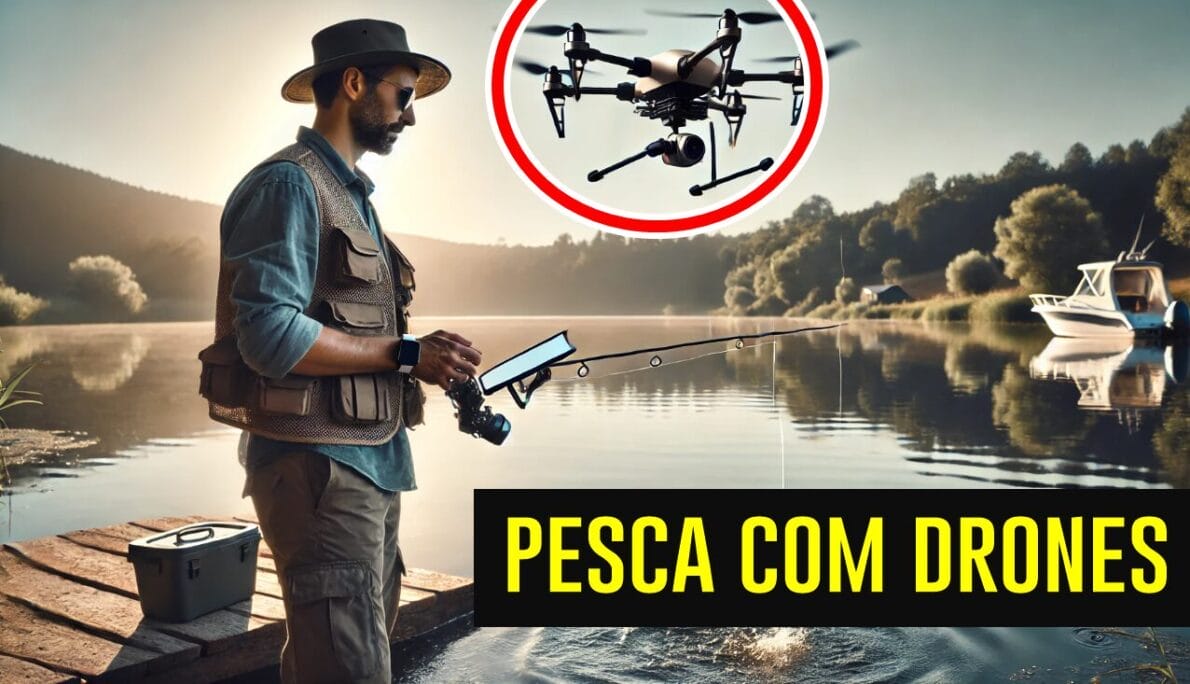
Fishermen Are Using Drones to Fish, and This Practice Is Worrying Authorities. Find Out Why This Innovation May Represent a Threat
The union of cutting-edge technology with traditional hobbies often sparks enthusiasm — but “drone fishing” was not on our bingo card. According to a new study, the practice of fishing with drones has gained popularity in countries such as South Africa, New Zealand, and Australia.
This practice, which is still poorly documented, can pose risks to various fish, including sharks, as noted by Alexander Claus Winkler from Rhodes University. With little regulation, except in some specific cases, this activity is already concerning scientists and environmentalists.
How Does Drone Fishing Work?
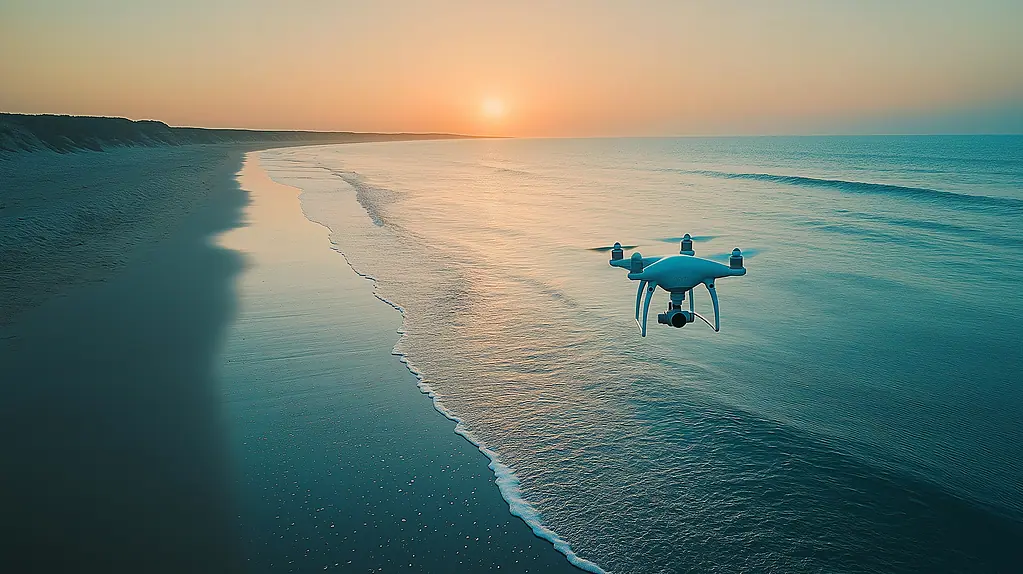
Drone fishing involves using these devices to cast baited fishing lines much farther than an ordinary angler could reach.
-
Helicopter Drops 180 Tons of Sand and Gravel on Swedish River to Revive Ecosystem Damaged by Decades of Exploitation

-
Brazilian Company Launches Retro Smartphone with 48 MP Camera, T9 Keyboard, and Privacy Features for Social Media-Free Use

-
Self-Taught Chinese Farmer Builds 5-Ton Submarine from Scrap, Launches It in Anhui River
-
Invisible Induction Technology Enables Wireless Power for Blenders, Coffee Makers, and Air Fryers, Reducing Countertop Cables




The drone carries the line, bait, and hook to specific water areas, usually hard to access. Once at the desired location, the angler releases the bait and waits for a fish to bite.
In some cases, drones equipped with cameras assist in locating schools of fish or favorable spots for catching, significantly increasing the chances of success.
The origins of this practice date back to the early popularization of drones around 2010. The success of the technique started gaining notoriety in 2016, when videos of anglers using drones to catch larger fish, such as longfin tuna, went viral on YouTube.
That year, interest in drone fishing exploded, increasing searches for this type of content by 357%, according to Google Trends.
Currently, there are thousands of discussion groups and profiles on social media dedicated to drone fishing. Some Facebook groups have more than 17,000 members, and hundreds of videos of catches made with drones are posted monthly.
However, this practice raises serious concerns about ecological impact and the potential depletion of marine resources.
Environmental Impacts
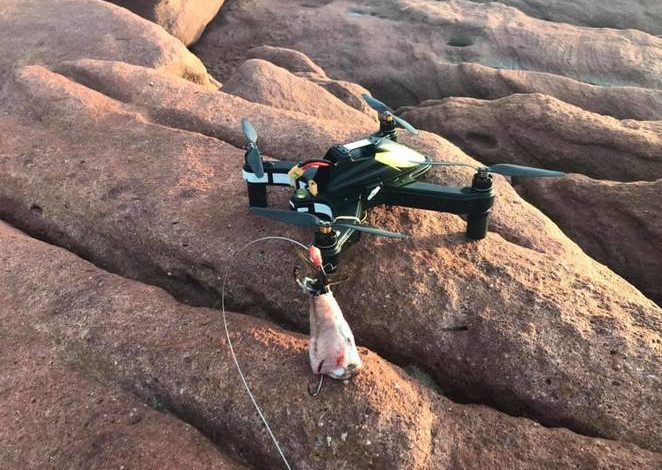
One of the main concerns surrounding drone fishing is the potential to exacerbate overfishing, especially in already vulnerable areas.
Studies show that in countries such as Australia and New Zealand, recreational fishermen use drones to capture species like red snapper, which currently face no conservation threats. However, in South Africa, the reality is different.
According to the study from Rhodes University, 97% of the catches observed in drone fishing videos in the country were sharks, including species like the dusky shark, which already faces serious extinction risks.
For an endangered species, any increase in fishing can have a devastating impact, creating a domino effect on marine ecosystems.
Sharks are apex predators in the food chain, and their presence is essential to maintain ecological balance in the oceans.
The removal of these predators can disrupt the entire system, affecting various other species and the overall health of the marine environment.


Conflicts with Local Fishermen
Besides environmental impacts, drone fishing is fueling social tensions, especially in South Africa.
The country has an extensive coastline of 2,850 km, home to about 400,000 fishermen, many of whom rely on fishing for their livelihood or to supplement family income.
Drone fishing, on the other hand, is predominantly practiced by individuals with greater purchasing power, exacerbating economic inequalities among fishing communities.
Without proper regulation, drone fishing practices can increase competition for marine resources and threaten the livelihoods of traditional fishermen, who already face significant challenges. As this new form of fishing grows, conflict between recreational and professional anglers may escalate.
Regulation of Drone Fishing
Drone fishing is still largely unregulated globally. However, South Africa was one of the first countries to take legal action against this practice.
In 2022, the government issued a public statement warning that drone fishing was illegal under the Marine Living Resources Act. This was the first time the issue was formally addressed in the country.
The measure sparked controversy, with companies producing custom drones for fishing attempting to challenge the ruling legally.
However, the Supreme Court of Appeal of South Africa upheld the ban, making it illegal to use drones to assist recreational fishing. This judicial action, however, did not resolve all challenges, as the practice continues to be common in other countries.
What Is the Future of Drone Fishing?
The regulation of drone fishing is still in its infancy. While it is a practice that has the potential to increase conflicts among fishermen and cause environmental damage, with proper regulations, drone fishing could also become a sustainable alternative in the future.
By prohibiting the fishing of endangered species and limiting the use of drones in ecologically sensitive areas, it is possible to avoid the worst-case scenarios and ensure that this technological innovation is used responsibly.





Be the first to react!