Portuguese
  Spanish


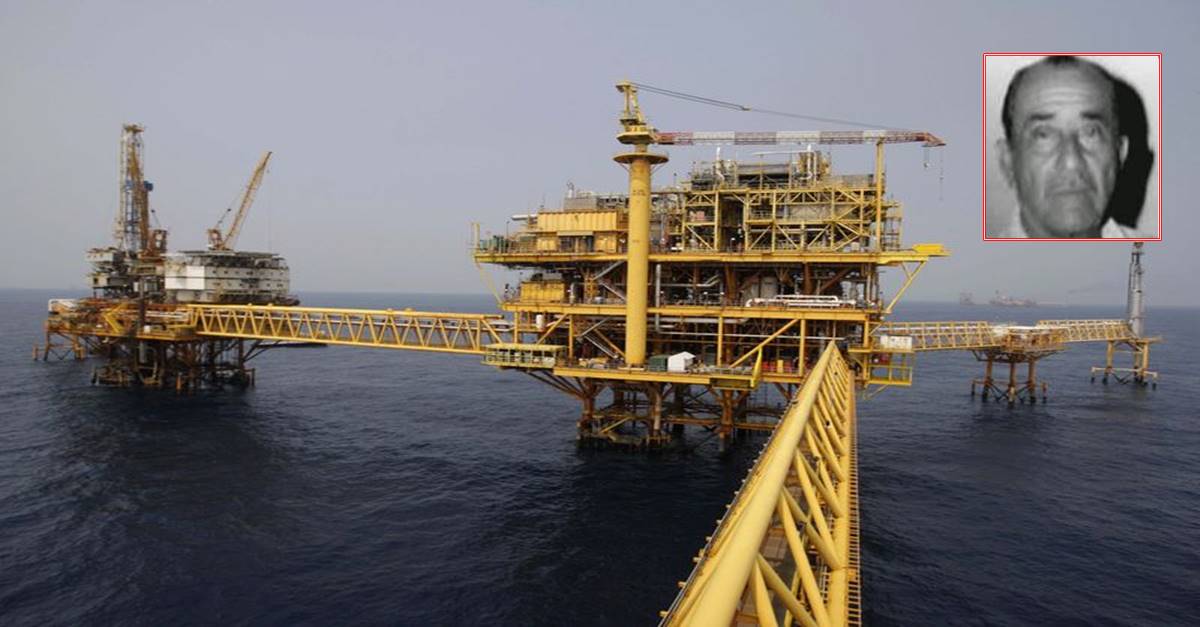

The Wealth of Oil Did Not Reach This Humble Fisherman Who Should Have Been Treated as a True Hero for His Discovery
Oil is also known worldwide as “the black gold,” but at least for fisherman Rudesindo Cantarell Jiménez, who lived in the small Ciudad del Carmen, Mexico, all this wealth brought no benefit; on the contrary, the man died poor, without recognition, and without friends. National Congress Attempts to Prevent the Sale of Petrobras Refineries
Also Read
- Helpers, Welders, Boilermakers, and More Called for Offshore Job Vacancies in Rio de Janeiro
- Works at Porto São Mateus Authorized with 750 Job Vacancies Initially Scheduled to Start Still in 2020
- Works in São João da Barra Demand Vacancies for Helpers, Boilermakers, Painters, Plumbers, Electricians, Mechanics, Scaffolders, and More Professionals
This story begins in 1958 when Rudesindo, then 44 years old, spotted black bubbles in the Campeche sea, in the southeast of the country, which he suspected were oil, but knowing this would change the life of the small fishing village, he decided not to report the discovery to the authorities.
-
Brazil’s ANP Opens 86 New Oil Blocks in the Equatorial Margin, Expanding the Amazon River Mouth Frontier

-
OPEC+ Boosts Oil Supply by 188,000 Barrels per Day in July 2026, Leading to Price Drop from $112 to $89 per Barrel in Under Two Months

-
TotalEnergies Signs 20-Year Deal to Purchase 2 Million Tons of LNG from Alaska, Boosting Project Viability
-
Turkey Deploys Çağrı Bey Drilling Ship to Explore New Oil Frontier Off Somalia’s Coast
Rudesindo’s friends had lived off shrimp fishing for decades, and his decision would affect the landscape and the lives of many people.
Aboard the boat Centenario del Carmen, of which he was a partner, he spotted the stain in the sea and initially thought it was debris from a shipwreck. After analyzing the stain, he suspected it was oil, but decided not to spread the news that would change not only his story but also that of Mexico.
Cantarell then kept this information to himself for almost ten years and only in 1968 told other fishermen at the port of Coatzacoalcos, in Veracruz, when he arrived there to sell fish, that he had discovered oil in its waters. Thus, he decided to take the information to the oil engineers at Pemex.
In the 1960s, Mexico had a very small oil production compared to major producers. The discovery in 1971 in the relatively shallow waters, less than 100 km off the coast of Campeche, took Pemex to another level in the oil industry, as there were about 40 billion barrels in the discovered fields. The Cantarell Complex was once the second largest oil field in the world
As PEMEX began its activities, shrimp fishing was halted, and Rudesindo’s fears were realized; the fishermen turned their backs on him, and he got a new job. The Mexican government awarded him a gold medal in 1978.
The job, however, was as a janitor (without a permanent contract) in a laboratory of PEMEX with a very low salary. The lack of recognition, combined with the lack of support from his community, led him to die almost without assets in May 1997, at the age of 82.
The man who led Pemex to its greatest discovery is now scarcely remembered in Ciudad del Carmen.