Portuguese
  Spanish


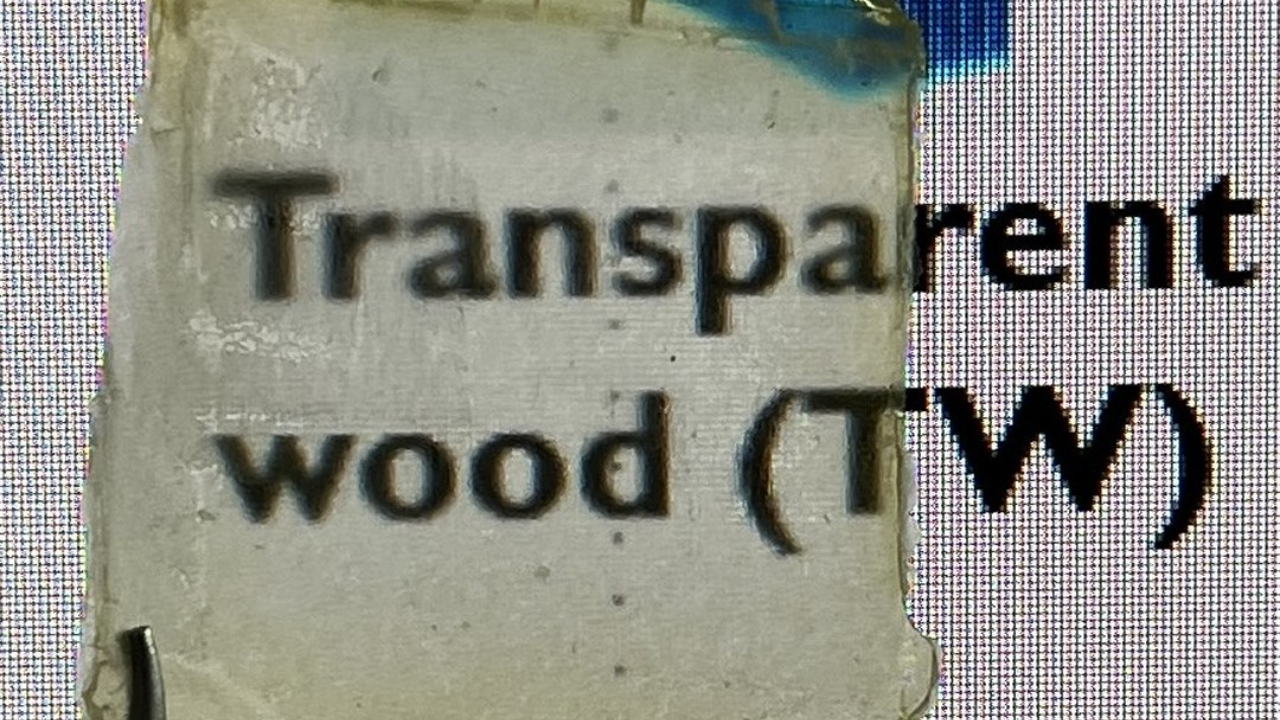

Researchers Developed Sustainable Transparent Wood Using Egg White and Rice, Making It Eco-Friendly, Resistant, and Efficient, with Potential to Replace Glass in Various Applications.
Transparent wood has garnered significant interest in recent years, and researchers are seeking sustainable alternatives to enhance this technology. A team from Kennesaw State University in the United States, led by Professor Bharat Baruah, presented an innovative solution: using egg white and rice as substitutes for conventional resins. This discovery could make transparent wood a more eco-friendly option to replace glass in various applications.
What Is Transparent Wood?
Transparent wood is produced by removing lignin, one of the natural components of wood.
This process makes the wood structure porous, requiring a filler material to restore its strength. Researchers have used synthetic resins, but these options are not biodegradable.
-
How Much Does Starlink Satellite Internet Cost for Cars, Trucks, and RVs? Prices for Antenna, Accessories, and Plans

-
Scientists Convert Food Waste into Aviation Fuel, Successfully Test 50% Blend with Conventional Kerosene to Cut Emissions and Promote Sustainable Flights
-
OnePlus N6 Smartphone to Launch in India with 8,000mAh Battery and 45W SuperVOOC Charging, Lasting Up to Three Days
-
Scientists Plan to Release Air Bubbles Underwater to Protect Antarctica’s “Doomsday Glacier” from Melting





The new approach with egg white and rice could address this issue, keeping the wood eco-friendly.
Manufacturing Process of Transparent Wood Developed by Researchers
To make the wood, the researchers removed lignin and hemicellulose using chemicals such as sodium sulfite, sodium hydroxide, and diluted bleach.
Next, the pores of the wood were filled with an innovative mixture of egg white and rice extract.
This composition maintained the structure of the transparent wood and increased its strength.
Egg white and rice are ingredients that have been used for centuries in building construction in India, where similar mixtures have been applied as cement. Inspired by this tradition, the researchers saw in these materials an opportunity to make wood more sustainable and efficient.
Benefits of Transparent Wood Made with Egg White and Rice
Transparent wood produced with egg white and rice offers several benefits. One of the main advantages is the reduction of environmental impact, as it does not use synthetic resins harmful to the environment.
Moreover, tests indicated that windows made from this material can provide better thermal insulation than traditional glass.
In experiments with birdhouses, the internal temperature remained between 5 and 6 degrees Celsius cooler than in structures with common glass.
Another promising aspect is the potential to make transparent wood conductive.
The researchers incorporated silver nanowires into the wood, allowing its use in wearable sensors and coatings for solar cells. The expectation is that, in the future, materials such as graphene could replace silver, keeping the transparent wood completely biodegradable.
Challenges for Researchers and Future Prospects
Despite the advances, there are still challenges in the mass production of wood with egg white and rice.
One of the main goals of the researchers is to replace some chemical reagents with more sustainable options, making the manufacturing process even more eco-friendly.
With the advancement of research, transparent wood could revolutionize various sectors, from construction to the technology industry.
The use of natural materials like egg white and rice paves the way for more sustainable and efficient innovations, bringing this solution closer to reality.