






 Portuguese
  Spanish
  3 min of reading
  0 comments


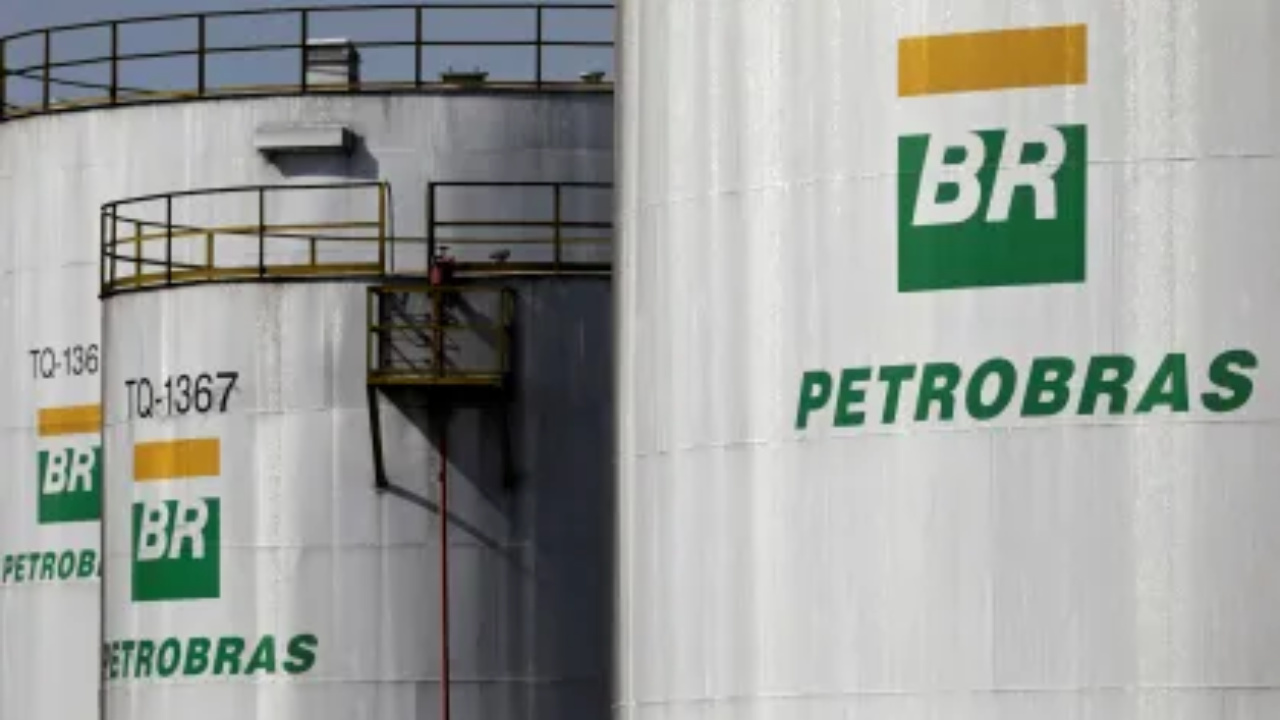
Petrobras Studies Participating in Brazil’s First Battery Auction and Claims That Storage Will Be Crucial to Enable New Investments in Renewables and Avoid Cuts in Generation.
The energy transition in Brazil has gained new momentum with the advancement of storage projects, and Petrobras is already preparing for an unprecedented move: the potential participation in the first national battery auction.
The state-owned company’s interest reflects a strategy that seeks to respond to the increasing challenges of the sector, especially in light of the growing renewable generation and the risks of compulsory cuts.
Thus, storage emerges as an essential component to ensure stability in the system and unlock investments that have been under reevaluation.
-
Brazilian scientists are simultaneously advancing two research projects on clean hydrogen and driving solutions that could transform the energy matrix, enhance industrial competitiveness, and accelerate large-scale emission reduction targets.

-
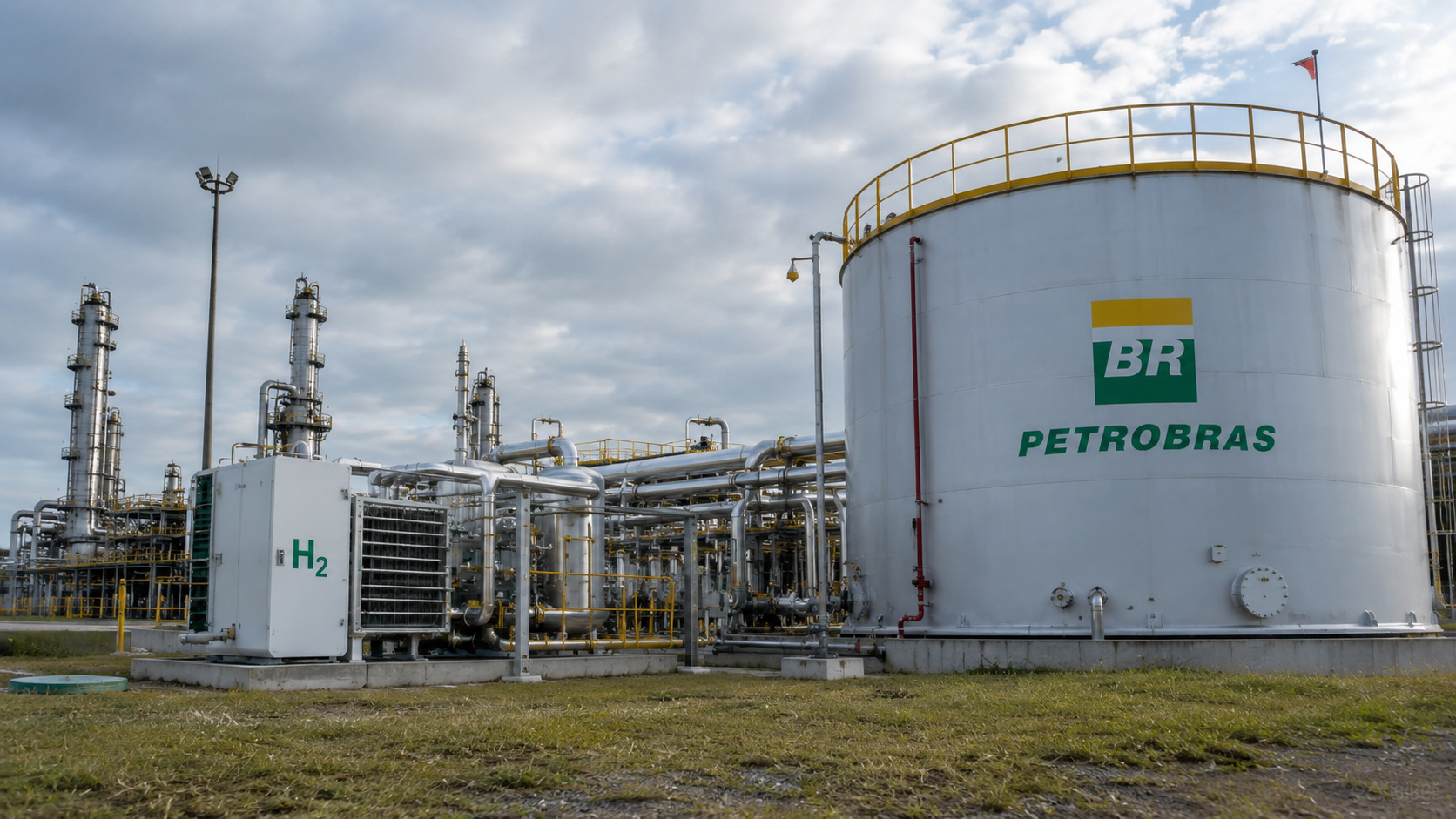
Advancement in renewable energy: A R$ 150 million project launched by Petrobras and Finep aims to create state-of-the-art electrolyzers for green hydrogen, strengthening national research and preparing Brazil to compete in a billion-dollar energy market.
-
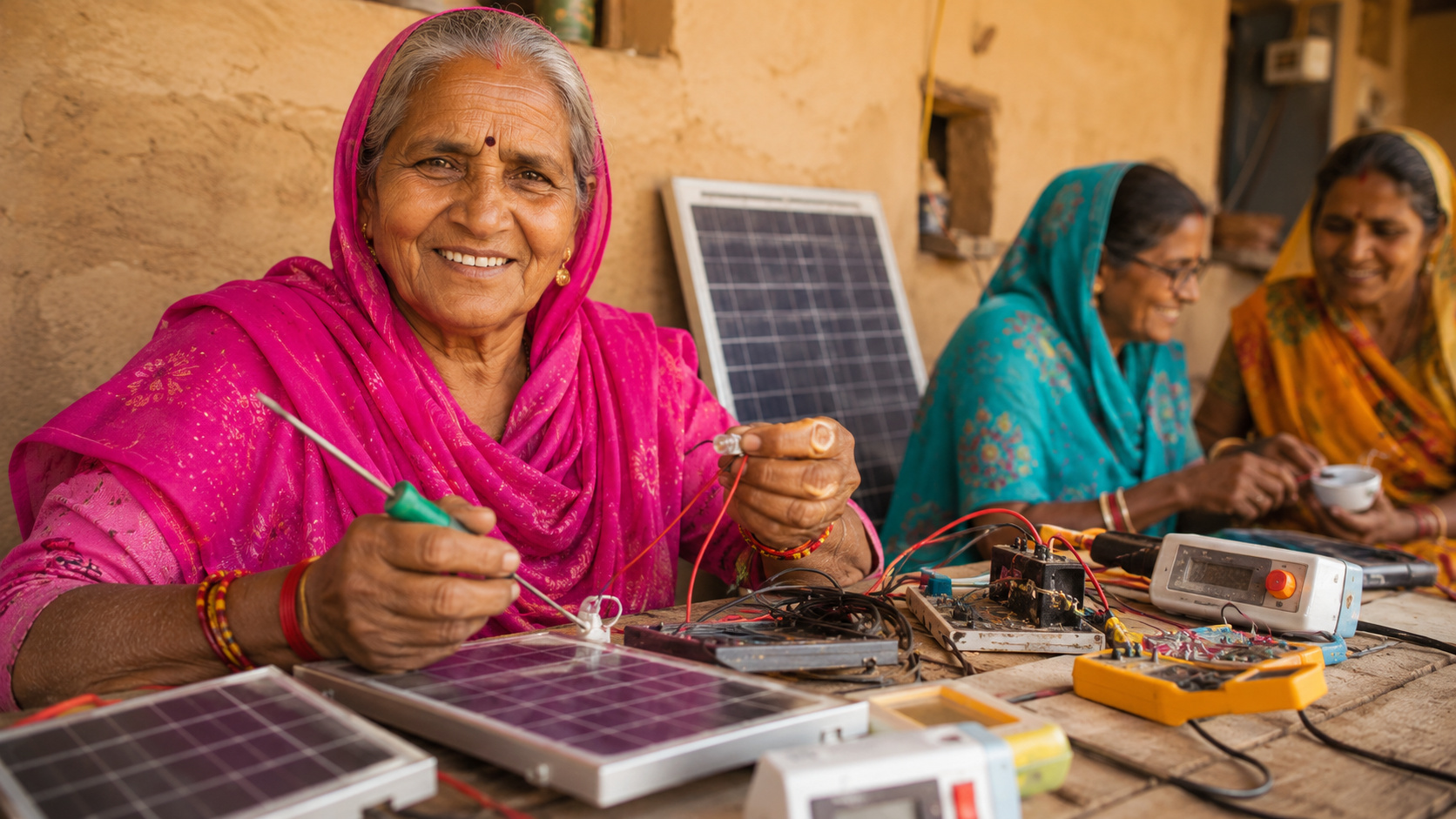
Illiterate or semi-literate grandmothers were trained to repair solar systems, open rural workshops, and light up homes that still depended on kerosene.
-
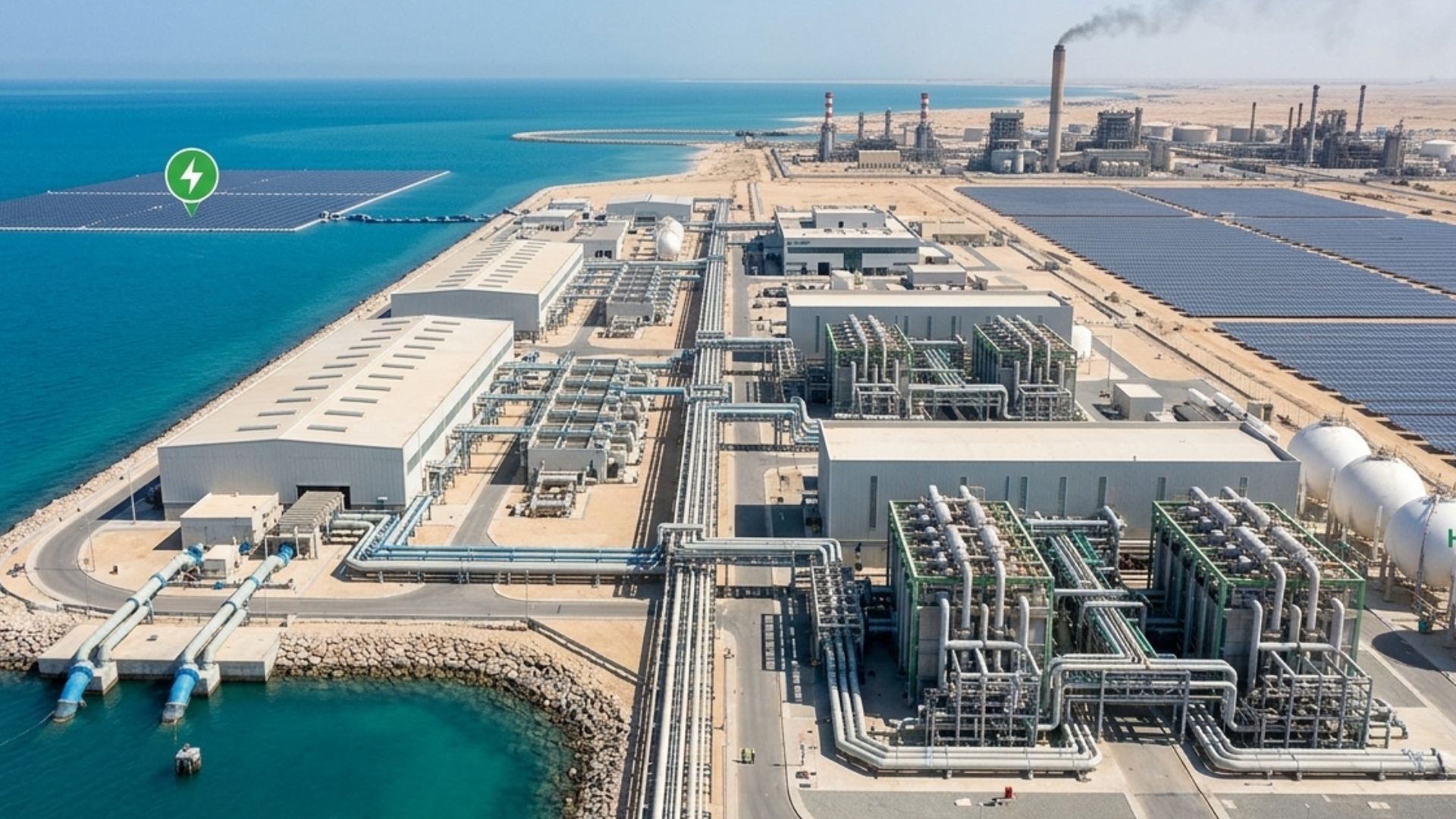
The world has bet on green hydrogen as the fuel of the future, but now faces the side effect: producing 1 kilogram requires about 9 liters of ultrapure water, and the largest projects on the planet are precisely in the driest regions of the Earth, where water is already scarce for people.


Petrobras Sees Auction as an Opportunity to Enter the Battery Market
Scheduled for April 2026, the auction provides for the contracting of projects with delivery only in 2028, allowing space for planning and structuring. The initiative may represent Petrobras’s definitive entry point into the storage segment.
The head of Integrated Management of Energy Transition at the state-owned company, Carlos Alberto Marçal, emphasized that the company has been monitoring opportunities in this market and that the LRCAP (Capacity Reserve Auction) tends to accelerate the process. “It’s an opportunity; we’ve already been considering entering this storage segment, and then the capacity reserve auction came up,” he stated. According to him, if the project is approved, “we will quickly start working to actually have the battery park.”
Despite the enthusiasm, Marçal stressed that there are still no concrete definitions regarding size, location, or costs involved. As he pointed out, “it will depend a lot on what comes out of the auction, on what the government will demand in the auction.”
Strategic Plan 2026-2030 Already Includes Possible Investment from Petrobras
Although still in the category of projects “under evaluation,” the investment in batteries is already included in the Strategic Plan 2026-2030 of the state-owned company. For Marçal, “it’s an investment that makes sense for Petrobras,” considering the current scenario of expanding renewable sources and the challenges of stability in the electric system.
At the same time, the company is preparing a pilot project to test storage technologies, with an expected start of operation in 2028. However, this pilot will not be used in the auction, which will require batteries that are already consolidated and available in the market.
Storage Becomes Essential in Light of Cuts in Renewable Generation
Petrobras assesses that storage is indispensable to face a problem that already directly affects renewables: curtailment, which occurs when there is excess supply and solar and wind plants need to shut down part of their production.
This challenge has been decisive for the state-owned company to revise its expansion target in wind and solar energy. Initially planned for 4 GW, the projection decreased to 1.7 GW in the recently released plan. Internal assessment indicates that without batteries incorporated into the system, new renewable projects risk not achieving economic viability.
For this reason, the auction is seen as a fundamental tool to unlock future initiatives and ensure sustainable expansion of clean energies in the country.
In addition to the storage sector, Petrobras plans to participate in the capacity reserve auction aimed at thermal power plants, scheduled for March 2026. The state-owned company is expected to present 3.4 GW in the bidding, most of which relates to existing plants with contracts nearing their end.
The only novelty among the projects is the thermal plant of the Boaventura Energy Complex, formerly Comperj, located in Itaboraí (RJ). The proposal reinforces Petrobras’s strategy to diversify its operations and seek balance between renewable sources, storage, and thermal generation.








Be the first to react!