






 Portuguese
  Spanish


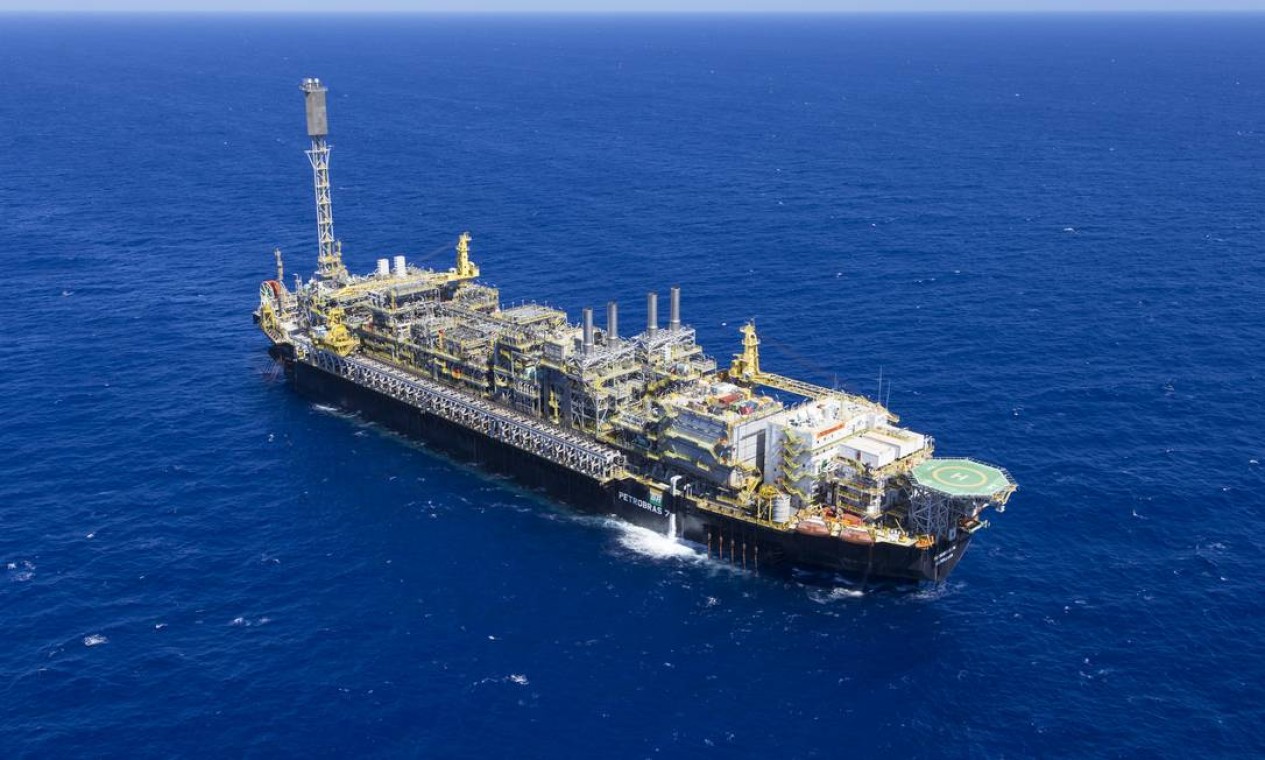

The Impressive Numbers Highlight Petrobras’ Commitment to Sector Development and the Expansion of National Oil Production Capacity
Petrobras, one of the leading companies in the oil sector, announced that 53 process modules for oil production are currently under construction in Brazil. Additionally, in the coming years, another 61 modules will enter production, according to Valor Econômico.
Investments in Local Content and Partnerships with Shipyards
In a press conference about the company’s results for the first quarter, Carlos Travassos, director of engineering, technology, and innovation at Petrobras, emphasized the importance of local content and revealed that they are in negotiations with shipyards to meet the construction demands of the modules.
He stressed that the company recognizes the fundamental role of local content in the development of the oil and gas industry, mentioning that European countries also adopt similar policies. For Travassos, it is necessary to strengthen the production capacity of the national industry.
-
With a record production of nearly 3 million barrels per day, Petrobras resumes importing diesel in July, highlighting the bottleneck in Brazilian refining.

-
Qantas and Airbus Invest in Company Aiming to Convert Unsorted Household Trash into Jet Fuel

-
Brazil’s ANP Opens 86 New Oil Blocks in the Equatorial Margin, Expanding the Amazon River Mouth Frontier

-
OPEC+ Boosts Oil Supply by 188,000 Barrels per Day in July 2026, Leading to Price Drop from $112 to $89 per Barrel in Under Two Months



Strengthening Governance
Mário Spinelli, director of governance and compliance at Petrobras, refuted rumors about the elimination of his directorate. He clarified that the goal is to strengthen the company’s governance and that there is no intention to discontinue the department. The focus is on improving governance practices and ensuring compliance with processes.
Equatorial Margin and Respect for the Environment
Jean Paul Prates, president of Petrobras, clarified that there is no animosity or tension with the environmental agencies, such as the Ministry of the Environment, Ibama, and the Federal Public Ministry, concerning the Equatorial Margin.
He emphasized that the decision regarding the exploration of this area belongs to the Brazilian state and that Petrobras is in constant dialogue with environmental authorities. Prates stressed respect for whatever decision is made and highlighted the importance of balancing exploration activities with environmental preservation.
Challenges and Exploratory Oil Analyses
Ana Paula Zettel, exploration and production manager at Petrobras, revealed that the Equatorial Margin is a vast area and that they are awaiting Ibama’s stance on environmental licensing in this region of great importance. The company is carefully evaluating the fate of drilling rigs based on detailed exploratory analyses.
Petrobras demonstrates its commitment to the oil sector by driving the construction of process modules for oil production and ensuring environmental compliance in its operations. The promising future of the company reflects its leadership and strategic investments in the energy market.








