






 Portuguese
  Spanish


With Investment of R$ 113 Million, Petrobras and UFBA Start Pilot Project for CCS in Shallow Marine Environment to Advance Solutions for Sustainability and Reduce Carbon Emissions in Brazil
On November 7, 2025, Petrobras announced an agreement of R$ 113.2 million with the Federal University of Bahia (UFBA) to develop a pilot project for carbon capture and storage (CCS) in a shallow marine environment. The initiative represents a strategic advance in the search for sustainable solutions for the oil and gas industry in Brazil.
This project is a milestone for national sustainability, aligning science, technology, and environmental responsibility. The partnership, with an initial duration of three years, may be extended and also involves the Foundation for Research and Extension Support (Fapex), which will act as the administrative intermediary.
Robust Investment and Clear Objectives of Petrobras and UFBA
The agreement provides for a transfer of R$ 113.2 million, divided into two installments: R$ 110 million in the first phase and R$ 3.2 million in the second. The amount will be allocated to the acquisition of equipment, permanent materials, and the adaptation of laboratories for research and development (R&D).
-
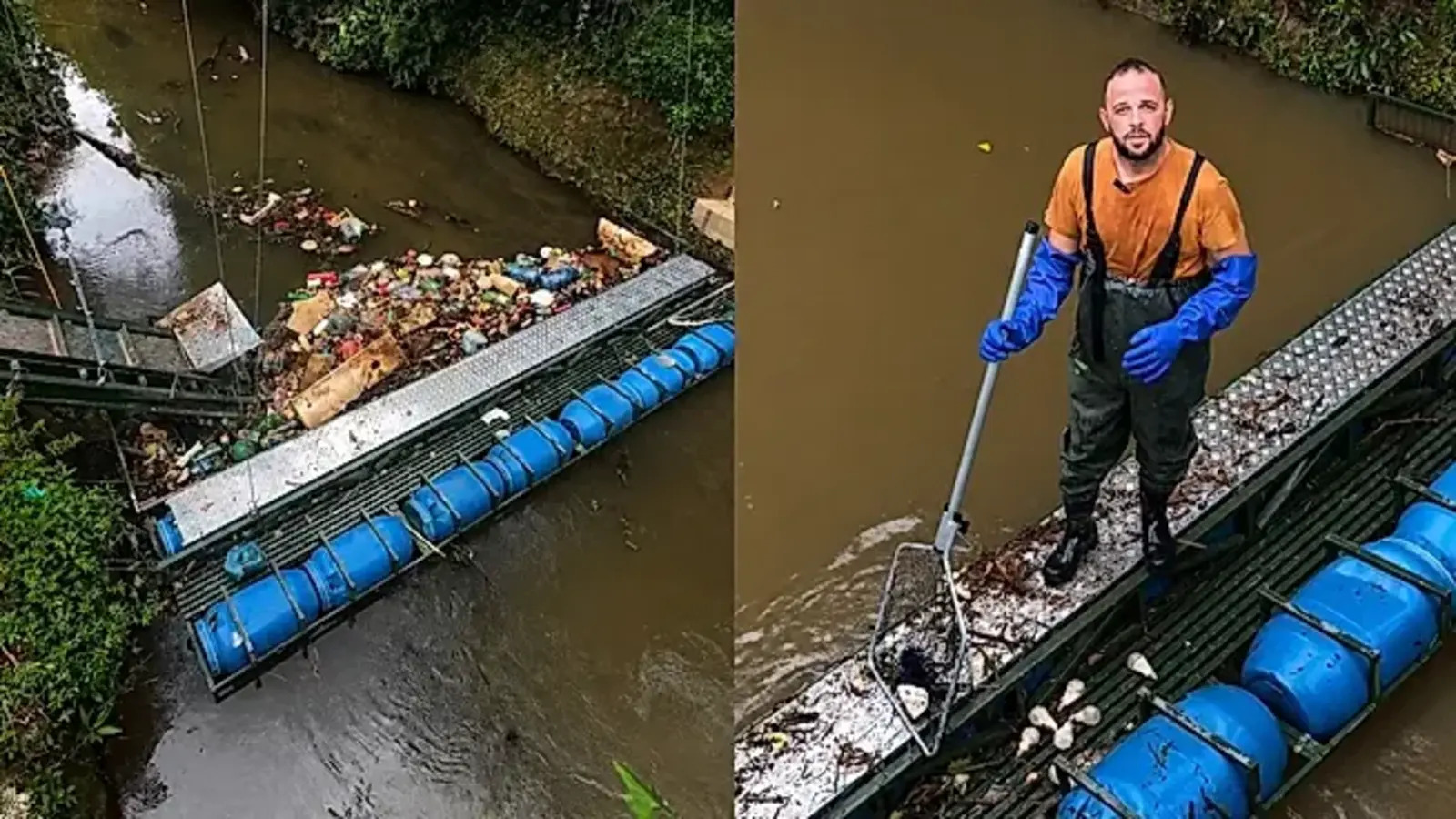
Brazilian promises his children to save a river, creates an eco-barrier in his backyard, has already removed more than 40 tons of trash from the water, and even inspires the idea in other states of the country.

-
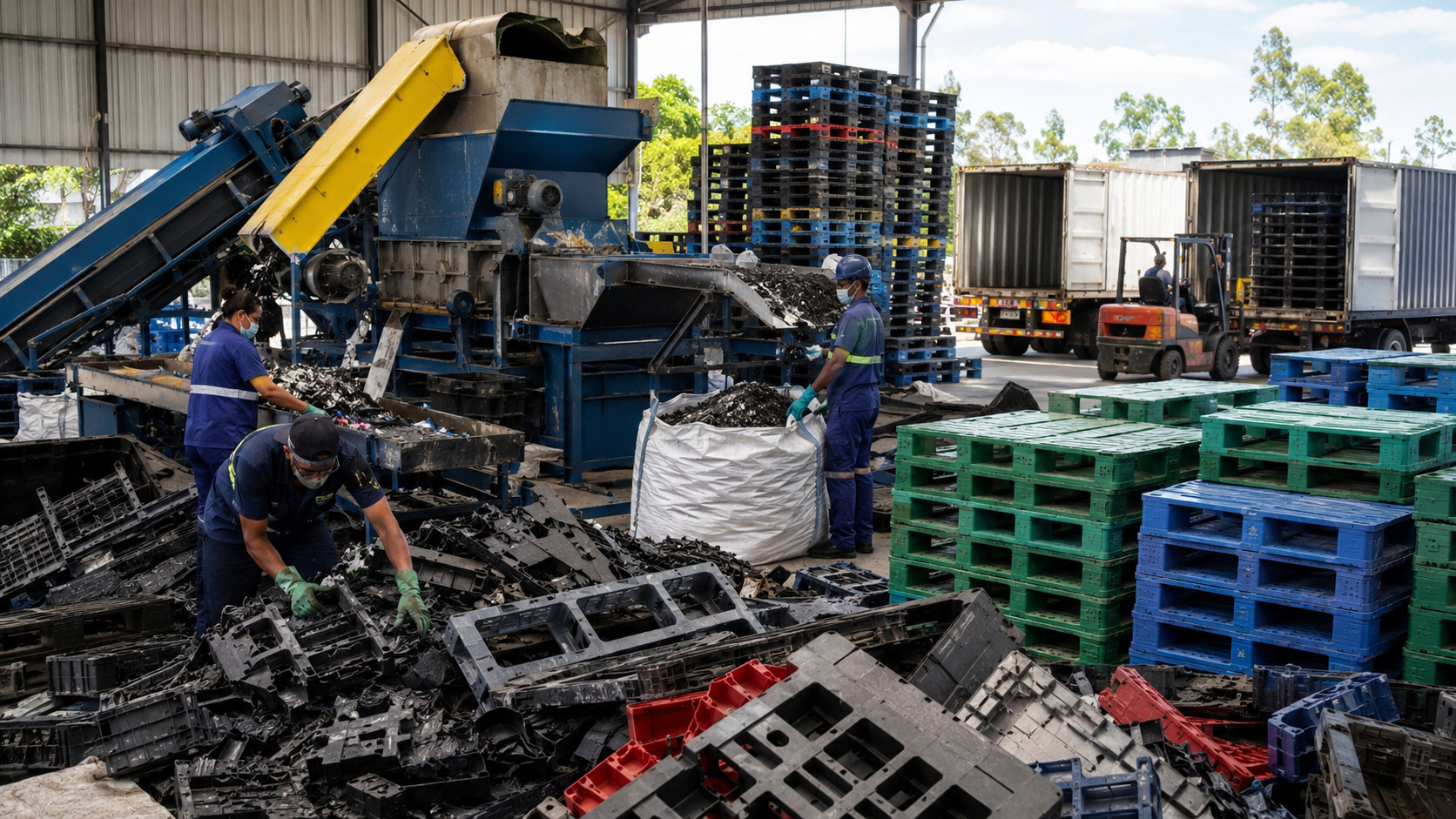
How a Brazilian company created a system that transforms broken pallets of any brand into new assets, recycles 80 tons of plastic per month, and found a profitable solution to a problem that challenges industries across the country.

-
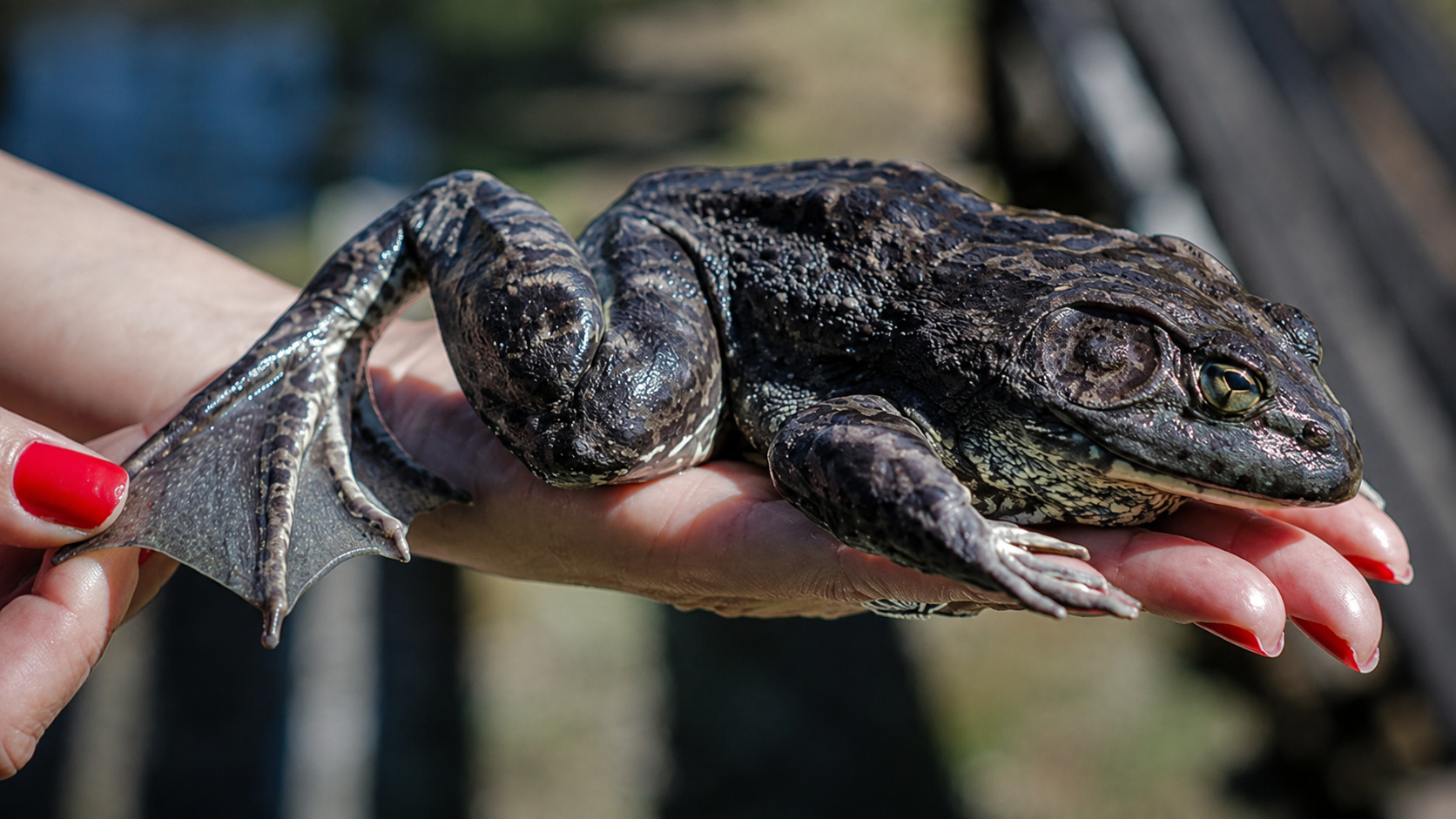
Invasive bullfrog capable of devouring other amphibians and laying up to 20,000 eggs is found in Florianópolis, raising an alert about the threat to native fauna.
-
It looks like a baby, but it’s an adult: meet the Bornean pygmy elephant, the smallest elephant in the world threatened by habitat loss.

The main focus is to improve measurement, monitoring, and verification (MMV) methodologies for CO₂ leaks in CCS plants. This technology is considered essential to mitigate the impacts of industrial emissions and accelerate the energy transition in the country.
The pilot CCS project involves capturing the carbon dioxide (CO₂) generated by industrial activities and storing it in safe geological formations, preventing its release into the atmosphere. This technique is internationally recognized as one of the most effective methods to reduce greenhouse gas emissions. In Brazil, initiatives like this are fundamental to align the energy sector with the commitments of the Paris Agreement.
Shallow Marine Environment: Challenges and Opportunities
The choice of the shallow marine environment as the setting for the pilot project is strategic. This configuration allows for lower operational costs, greater accessibility for the installation of sensors and equipment, and facilitates continuous monitoring of storage areas.
However, it also imposes technical challenges, such as interference from marine currents, preservation of local biodiversity, and the need for geological precision to ensure the safety of storage. Therefore, the project includes geophysical studies and advanced modeling to identify the best underwater reservoirs.
Sustainability and Technological Innovation with Petrobras and UFBA Initiative
The initiative is directly connected to the United Nations Sustainable Development Goals (SDGs), especially number 13 (climate action) and 9 (industry, innovation, and infrastructure). By investing in CCS, Petrobras demonstrates its commitment to corporate sustainability and technological innovation.
Furthermore, the project strengthens the Brazilian academic ecosystem by promoting the training of researchers, engineers, and students from UFBA in cutting-edge technologies. This contributes to the formation of a qualified workforce and the development of local solutions with global impact.
In recent years, Petrobras has increased its investments in clean energy sources, such as wind and solar, in addition to decarbonization projects. The agreement with UFBA reinforces this strategy, positioning the state-owned company as a leader in the national energy transition.
According to the company’s projections, more than R$ 5.7 billion has been allocated to low-carbon initiatives by 2029. The pilot CCS project is yet another step in this direction, with the potential to be replicated in other regions of the country and even exported as a technological model.
Monitoring and Transparency in the Marine Environment
One of the pillars of the project is the measurement, monitoring, and verification (MMV) system, which will be developed with scientific rigor. It will allow real-time tracking of the behavior of stored CO₂, ensuring that there are no leaks or adverse environmental impacts.
Petrobras informed the agreement to the Securities and Exchange Commission (CVM), and periodic reporting is expected in accordance with governance practices. This reinforces confidence in the project and allows it to be audited by regulatory agencies and independent institutions.
UFBA as an Academic Protagonist
UFBA will be responsible for the technical and scientific execution of the project, coordinating geological studies, computational modeling, and field tests. The university already has a tradition in research focused on geosciences and environmental engineering, making it an ideal partner for Petrobras.
UFBA’s participation strengthens the link between science and industry, promoting innovation based on evidence and academic rigor. Furthermore, the project creates opportunities for research grants, exchanges, and scientific publications that can influence public policies on sustainability.
Strategic Relevance for Brazil
Brazil has geological characteristics favorable to carbon storage, especially in offshore areas. With the development of local technologies and the validation of methodologies in shallow marine environments, the country can become an international reference in CCS.
Moreover, initiatives like this contribute to the diversification of the energy matrix, the reduction of the carbon footprint of the national industry, and the fulfillment of climate targets established in multilateral agreements. It is an opportunity to turn environmental challenges into high-impact technological solutions.
Petrobras and UFBA: Paths to a Sustainable Future
The agreement between Petrobras and UFBA for the development of a pilot CCS project in a shallow marine environment represents a significant advance in the fight against climate change. With robust investment, a focus on innovation, and commitment to sustainability, the initiative has the potential to transform the Brazilian energy sector.
In addition to reducing emissions, the project strengthens national research, promotes technical training, and positions Brazil as a reference in carbon capture and storage technologies. It is a clear example of how science and industry can work together towards a cleaner and more responsible future.






Be the first to react!