






 Portuguese
  Spanish


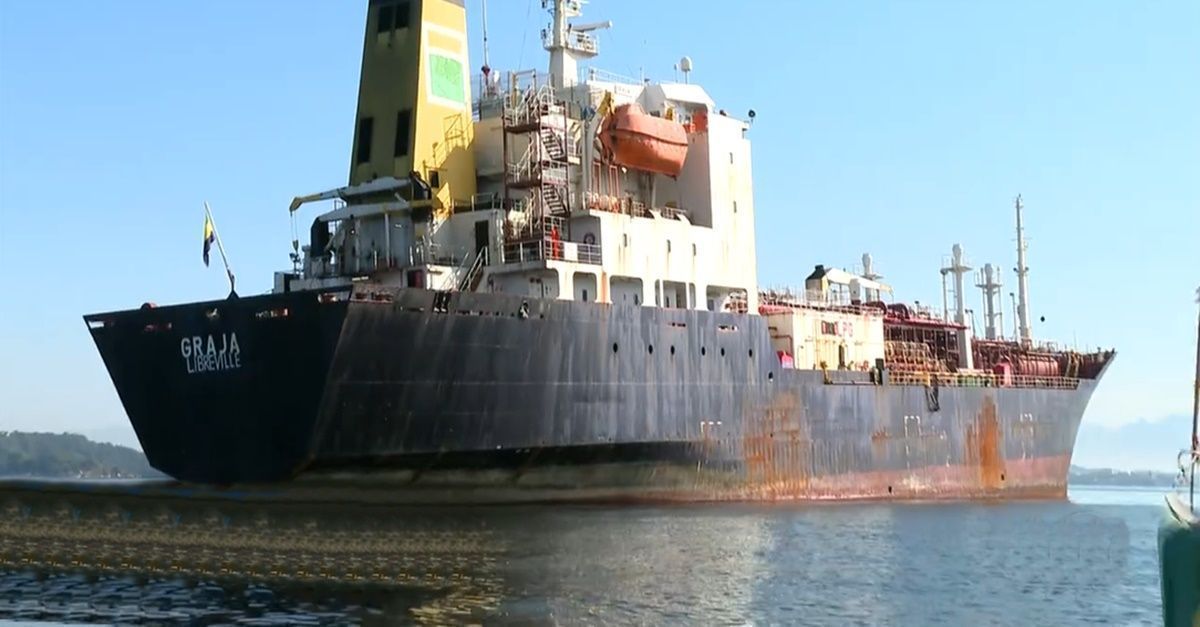

Guanabara Bay Is Full of Shipwrecks. The Removal of Stranded Ships in Guanabara Bay, Rio de Janeiro, Began in 2012.
Rio de Janeiro – In the waters of Guanabara Bay, forgotten for decades are hundreds of metal and wooden skeletons. The polluted expanse of 381 square kilometers of water surface is a graveyard of ships. Supreme Court Rules and Rio Government Will Have to Pay R$ 2 Billion in Compensation for Expropriation of Land from Manguinhos Refit Refinery
Read Also
- More Than 200 Positions for Candidates Without Experience! Ambev, the World’s Largest Beverage Company Starts Recruitment for Its 2020 Internship Program
- Job Openings for Technicians and Engineers in Port Construction Works in Espírito Santo from Imetame, Today August 24
- Petrobras Starts the Sale of Five Oil Fields, Pipelines, and Terminal in Espírito Santo
The hulls pose a risk to the environment and to ship traffic in the waters of Guanabara. There are vessels, hulls, and boats of small, medium, and large sizes either totally or partially submerged in the area. Some have been there for 50 years. There are cases where only parts of the boat remain, with just a section above the water, sometimes not even that.
For the most part, only scrap from what used to be the ships has been abandoned by their owners, forming a sort of nautical graveyard in Guanabara Bay.
-
French Brand Transforms 6 Million Brazilian PET Bottles into Sustainable Sneakers for Global Fashion Market

-
Abandoned Factory in Rio’s North Zone Becomes Urban Hazard with Standing Water and Debris

-
The U.S. Navy Conducts Submarine Tests in Idaho Lake to Detect Underwater Noises Hidden by the Ocean
-
British Factory Transitions from Mechanical Parts to Producing 420,000 Electric Power Units Annually, Supplying 70% of Ford’s Electric Cars Sold in Europe


In 2012, the secretariat, in partnership with the State Institute of the Environment (Inea) and the Ministry of Fisheries and Aquaculture, took the initiative to put an end to these “ghosts of the sea,” which pose a high risk of environmental accidents and to naval traffic.
The work began along the São Lourenço Channel, between Niterói and São Gonçalo, in the Metropolitan Region. The first hulls were removed by the state government.
The lifting and final disposal of most of the material, such as over 100 tons of steel, wood, and fiberglass, sold to metalworking companies, steel mills, and recycling firms, divided into lots, were at the time, the responsibility of the company Tanquefer-Comercial de Tanques Ltda, based in Bangu, and São Paulo’s Nelson Batista Ruy, who won the auctions.
Who Is Responsible for Ending This “Cemetery” of Ships in Guanabara Bay?
The State Institute of the Environment (Inea) informed that the inspection of vessels is the responsibility of the Port Authority and that the agency is only activated when environmental damage is confirmed.
The Port Authority of Rio, in turn, stated that it conducts daily naval inspection activities, checking navigation safety standards and preventing water pollution.
After identifying the boats, the Navy seeks the owners and, if the owners do not respond or present a plan for removal, the vessels go to auction. Despite being, for the most part, just hulls, they are worth money due to the iron and other materials that make up the boats.


