





 Portuguese
  English
  Spanish
 5 min of reading
  0 comments



Petrobras Initiates Bidding to Modernize the Gascab II Gas Pipeline and Enable CCS Carbon Capture and Storage Project in the Campos Basin, Strengthening Energy Sustainability
According to a report released by the MegaWhat website, Petrobras announced the opening of a strategic bidding process to adapt the Gascab II gas pipeline to the ambitious CCS project for carbon capture and storage in the Campos Basin. This initiative represents a milestone in the energy transition of the Brazilian state-owned company, aligning with global goals of sustainability and decarbonization.
CCS São Tomé Project: Innovation in Carbon Capture and Storage
Petrobras seeks to gain prominence in clean energy in Brazil. With this bidding process, the company reinforces its commitment to low-carbon technologies and innovation in CO₂ transport infrastructure.
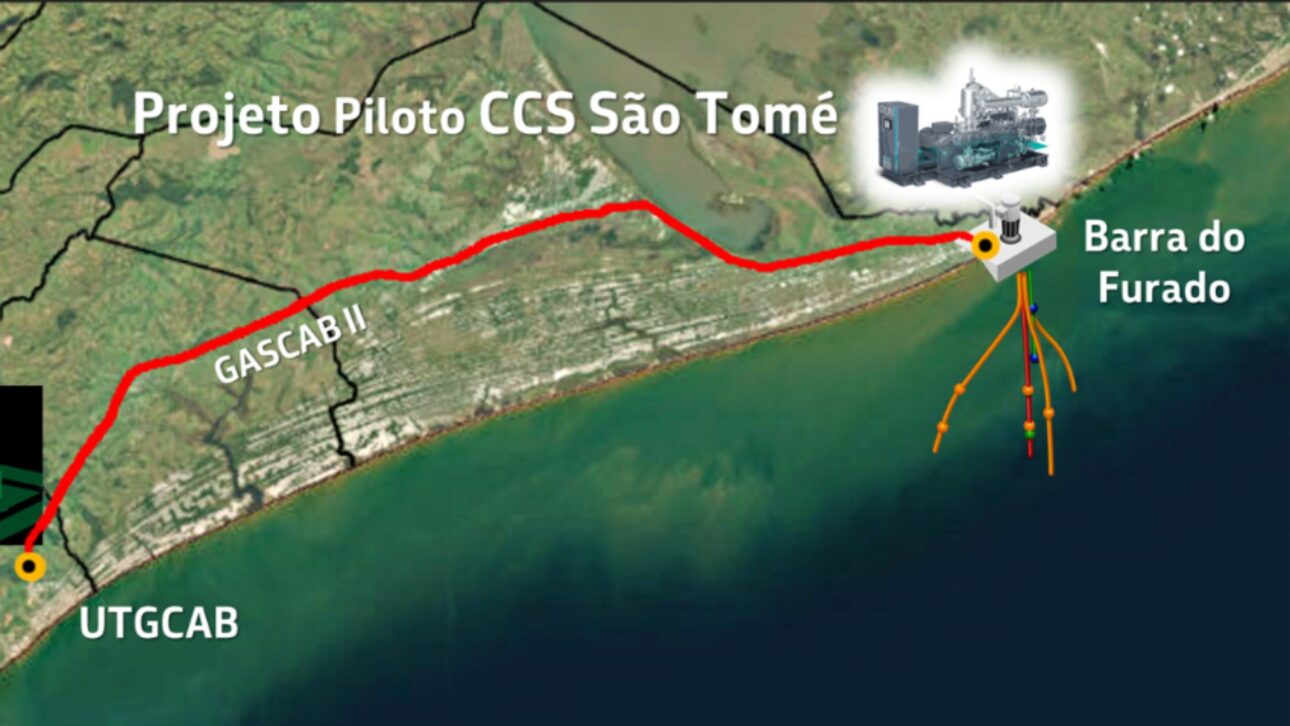
The CCS São Tomé project is a pilot for geological carbon capture and storage that aims to store up to 100,000 tons of CO₂ per year for three years, with an expected start in 2028. The gas will be injected into the São Tomé aquifer, located in the Barra do Furado region, in the municipality of Quissamã (RJ).
-
What is the real importance of groundwater for Brazil and why has this invisible resource become essential for supply, the economy, and water security?

-
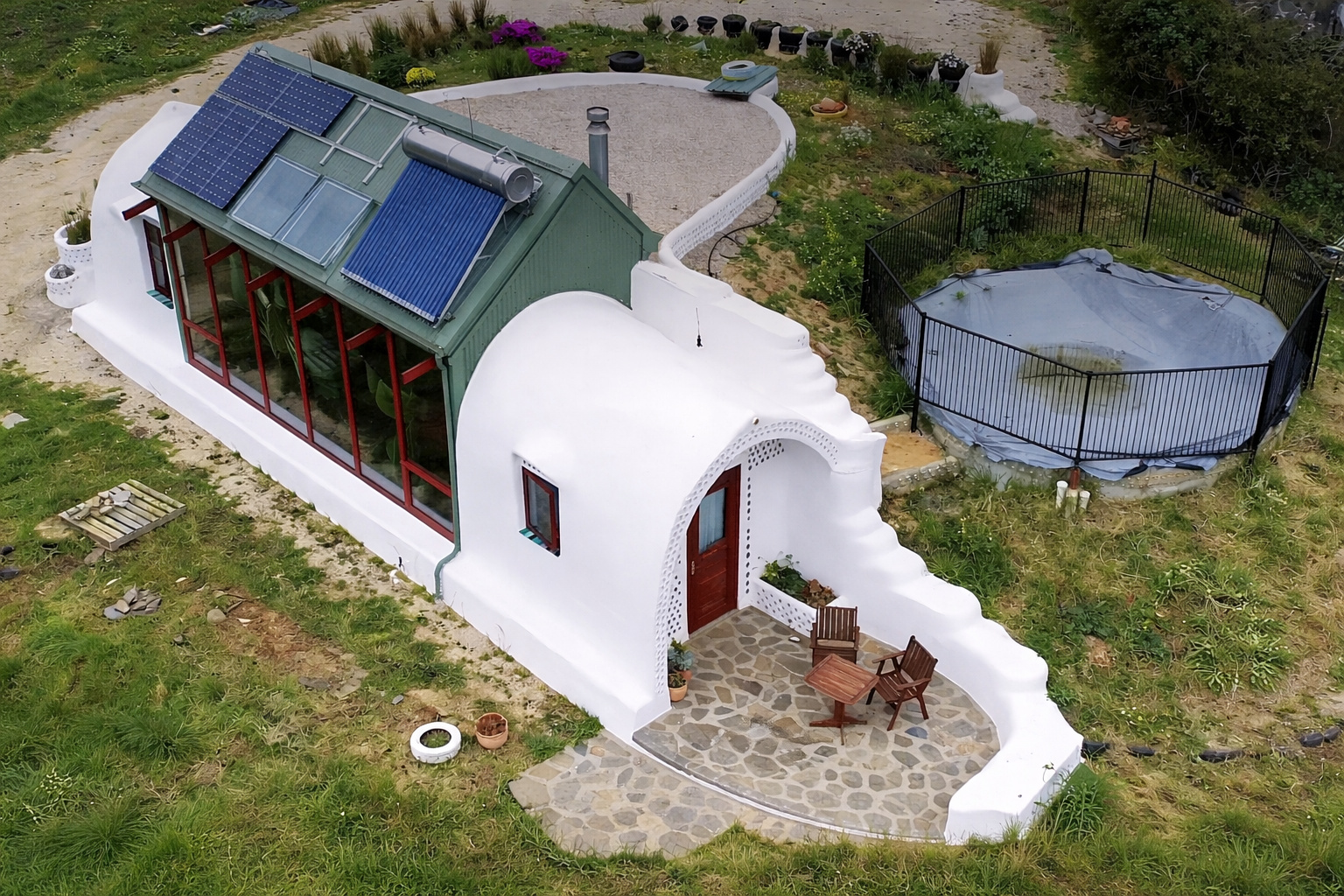
Spaceship-style house attracts attention by combining solar energy, water reuse, and total autonomy in an innovative housing model.
-
Scientists create a “molecular sponge” that transforms dirty water and even water from the Dead Sea into potable water using only sunlight and without consuming any electrical energy.

-
Supply crisis in the Colorado River Basin raises concerns about the limits of consumption reduction amid extreme drought.
Such technology, known as Carbon Capture and Storage (CCS), is considered essential for mitigating the effects of industrial emissions and contributing to meeting the climate targets established by the Paris Agreement.
Gascab II Gas Pipeline: Strategic Infrastructure for the CCS Project
The Gascab II gas pipeline, with a 67.5 km length, currently transports natural gas between the Barra do Furado station and the Cabiúnas Terminal in Macaé. With the new bidding process, Petrobras aims to adapt this infrastructure for the transport of carbon dioxide, enabling the operation of the CCS project.
This adaptation represents a technical and environmental advancement. The conversion of gas pipelines for CO₂ requires materials resistant to corrosion and sophisticated monitoring systems, ensuring safety and efficiency.
The adaptation of Gascab II is considered one of the most critical steps for the success of the CCS São Tomé project, as it will allow the safe transport of captured carbon to the geological injection point.
Sustainability as a Strategic Pillar of Petrobras
Petrobras has intensified its efforts towards sustainability, with investments in renewable energy, energy efficiency and low-carbon technologies. The CCS São Tomé project is an integral part of the company’s strategic plan to reduce its carbon footprint.
According to Petrobras’ 2024–2028 Strategic Plan, the company plans to invest US$ 11.5 billion in low-carbon initiatives, including CCS projects, green hydrogen and biofuels.
Capturing carbon is more than a trend — it is a necessity. Petrobras recognizes that decarbonization is vital to maintain its competitiveness and relevance in the global energy landscape.
Campos Basin: A Hub of Innovation in Sustainability
The Campos Basin is one of the most productive areas of oil and gas in Brazil. With over four decades of exploration, the area faces the challenge of maintaining its relevance amidst the energy transition.
The implementation of the CCS project in the Campos Basin represents an opportunity to revitalize the region with a focus on sustainability, transforming it into a hub of innovation in carbon capture technologies.
Moreover, the proximity to existing infrastructure — such as the Gascab II gas pipeline — facilitates logistics and reduces operational costs, making the project more economically viable.
Environmental and Economic Benefits of Carbon Capture and Storage
The adoption of the CCS project brings significant benefits:
- Reduction of CO₂ emissions: up to 300,000 tons captured in three years.
- Valuation of existing assets: leveraging the Gascab II gas pipeline infrastructure.
- Creation of skilled jobs: demand for engineers, technicians and geology specialists.
- Strengthening Petrobras’ institutional image as a company committed to sustainability.
Investing in carbon capture and storage is investing in the future. Petrobras is betting on solutions that reconcile economic growth with environmental responsibility.
Technical and Regulatory Challenges of Petrobras’ CCS Project
Despite progress, the project faces challenges:
- Specific regulation for CCS in Brazil is still being developed.
- Continuous geological monitoring is necessary to ensure storage integrity.
- Engagement of society and transparency are fundamental to avoid public resistance.
Petrobras has sought partnerships with universities, research centers, and regulatory bodies to overcome these obstacles and ensure the project’s success.
International Comparison: Brazil and the World in Carbon Capture
Globally, countries like Norway, Canada, and the United States already operate large-scale CCS projects. Brazil, with the São Tomé project, joins this select group, demonstrating technical capability and strategic vision.
According to the International Energy Agency (IEA), the world needs to capture around 6 billion tons of CO₂ per year by 2050 to achieve carbon neutrality.
Brazil can significantly contribute with its expertise in geology and offshore infrastructure. Brazil’s entry into the global CCS landscape is a sign of technological maturity and climate commitment.
Details of Petrobras’ Bidding for the Gascab II Gas Pipeline
The bidding process opened by Petrobras includes:
- Provision of specialized technical services
- Supply of materials and equipment
- Adaptation of control and safety systems
The process will be conducted based on principles of transparency and competitiveness, according to the guidelines of the State-Owned Companies Law. Interested companies must submit proposals by the end of November 2025.
The bidding is the first step to turning the CCS project into reality. The expectation is that the adaptation works of the Gascab II gas pipeline will start in 2026, with a forecast completion in 2027.
Petrobras and the Protagonism in Brazil’s Energy Transition
The opening of the bidding to adapt the Gascab II gas pipeline to the CCS project in the Campos Basin represents a milestone in Petrobras’ journey towards sustainability.
Carbon capture and storage is more than a technology — it is a survival strategy. Petrobras shows that it is possible to reconcile innovation, environmental responsibility, and economic development.
With this initiative, Brazil is highlighted in the fight against climate change, leveraging its geological and industrial potential to lead the energy transition in Latin America.






Seja o primeiro a reagir!