Portuguese
  Spanish


Line 6-Orange begins with six stations in assisted operation, reduced hours, and free access. The new section of the São Paulo Metro promises to shorten commutes from the northern zone, test systems with real users, and prepare for gradual expansion to serve 633,000 passengers per day when complete.
Line 6-Orange begins receiving passengers in São Paulo this Thursday, July 2, 2026, with six stations open in assisted operation, no fare charge, and reduced hours. The debut places the northern zone at the center of the new section of the São Paulo Metro, still in the testing phase.
According to Exame, in a report published on July 2, 2026, Governor Tarcísio de Freitas inaugurates the first section of the branch after almost 18 years of promises. The delivery marks a stage of the largest urban mobility project underway in Latin America, with still limited operation and planned gradual expansion.
Six stations open without fare charge
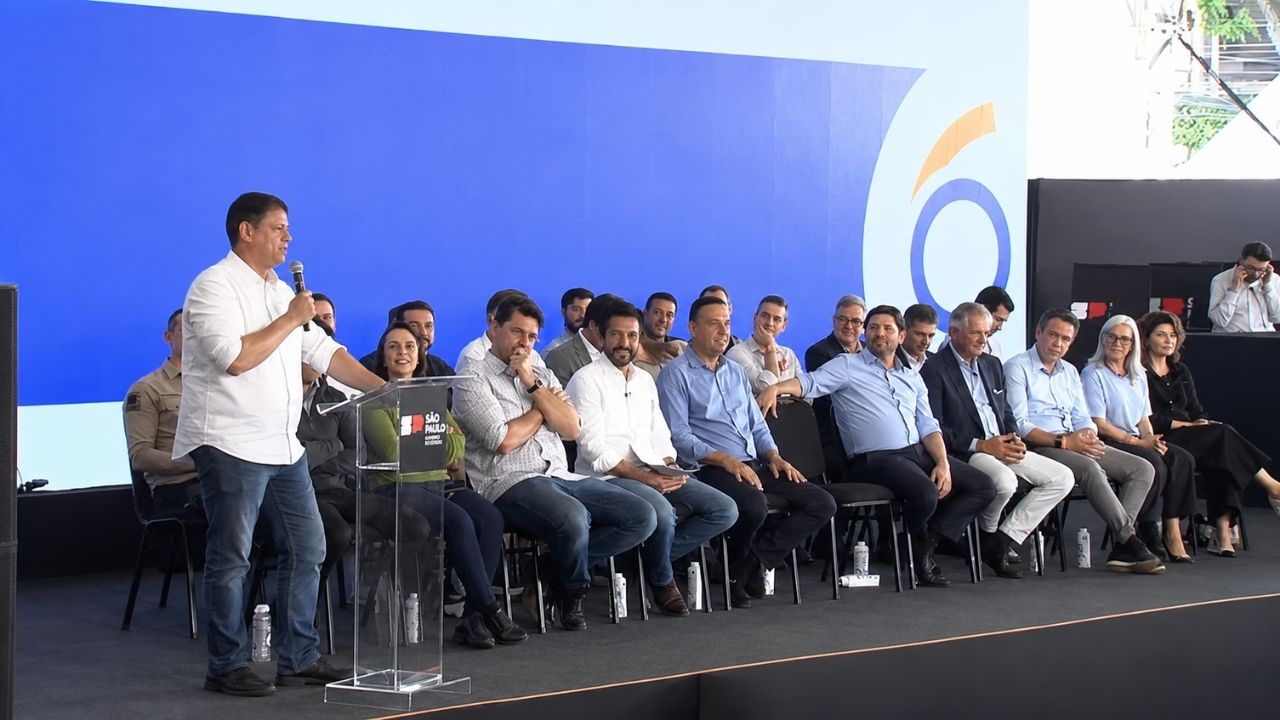
The first stage of Line 6-Orange begins with six stations open to the public: João Paulo I, Freguesia do Ó, Santa Marina, Água Branca, Sesc-Pompeia, and Perdizes. The operation will be from Monday to Friday, from 10 am to 3 pm, in an assisted operation model and without fare charge for passengers.
-
Facing a housing shortage, Hong Kong uses prefabricated concrete modules to construct a 12-story public building with the help of massive cranes and trucks.

-
Amsterdam Repurposes Retired Boats and Plants to Restore Contaminated Industrial Land Instead of Removing All Polluted Soil
-
Saudi Arabia to Build 33,000-Seat Desert Arena with Retractable Roof and Clay Courts for 2028 Masters 1000 Tournament

-
Copenhagen Builds 92 Homes Using Reclaimed Materials from Demolished Carlsberg Brewery, Highlighting Each Material’s Origin


This limited start functions as an adaptation phase before full commercial operation. The free access does not mean definitive operation, but allows testing of systems, circulation, boarding, disembarking, and operational routine with real users on a line that will still have new stations delivered along the schedule.
Assisted operation will have two trains and limited speed
In this first phase, the Line 6-Orange will have two trains operating in a shuttle system, with one train on each track. The average expected interval is 19 minutes, and the operation will be manual, with operators on board and a maximum speed of 30 km/h.
The assisted operation is a common step in complex transportation projects because it allows for evaluating the system’s behavior before full expansion. It is during this period that the line needs to prove stability, safety, and the ability to absorb passengers without turning the debut into a disruption.
Old promise begins to materialize
The branch took almost 18 years to reach the phase of opening to the public. Therefore, the inauguration of Line 6-Orange has symbolic significance for residents who witnessed promises, construction, delays, and changes in the project over different administrations.
The initial delivery does not conclude the process, but it takes the line from the realm of promise and puts it into real operation. For those who rely on public transportation in the northern zone and in areas connecting to the center, the advancement represents the beginning of a change awaited for many years.
Journey of 1h30 can be reduced to about 23 minutes
When fully completed, Line 6-Orange is expected to connect Brasilândia to São Joaquim station in about 23 minutes. Today, according to the informed projection, this journey can take approximately 1h30 by bus, especially on routes subject to traffic, transfers, and long waiting times.
The reduction in time is the main impact promised by the branch. More than inaugurating stations, the line aims to reorganize the routine of those who cross long distances within São Paulo’s capital, shortening a historically tiring journey for residents of the northern zone.
Branch will have 15.3 km and 15 stations when complete
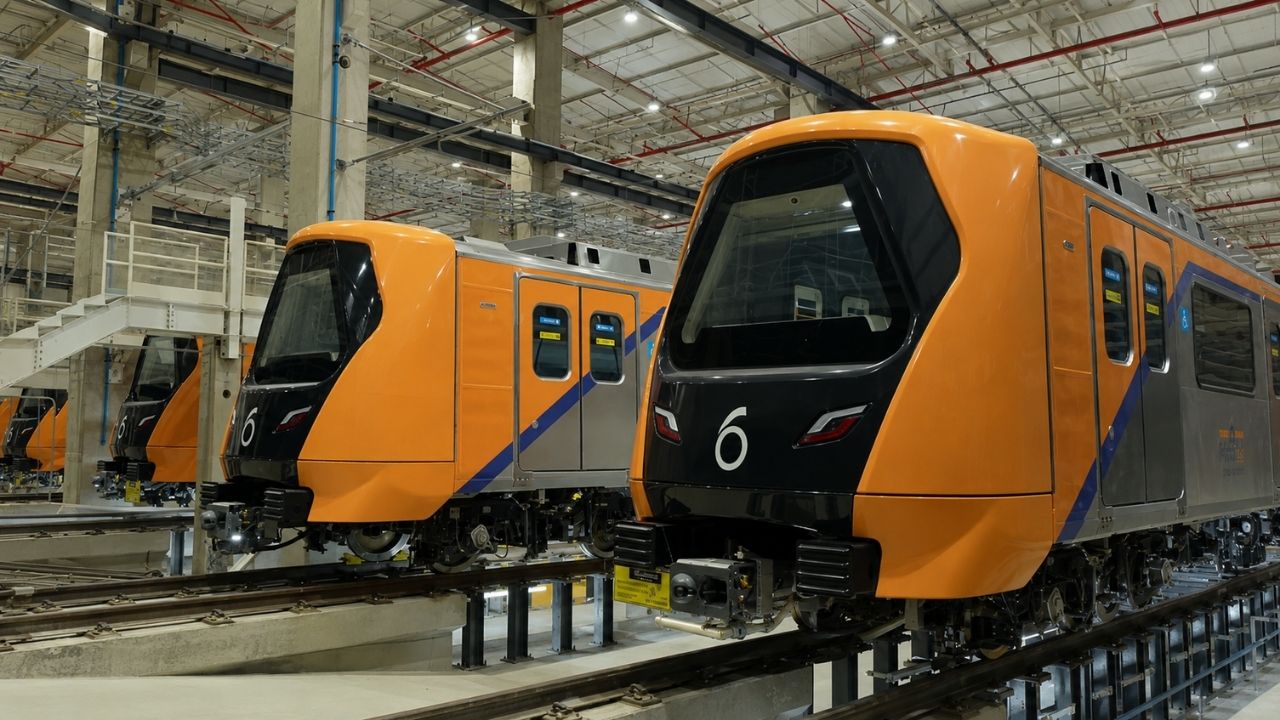
The Line 6-Orange will have 15.3 kilometers in length and 15 stations when all stages are completed. The route was planned to connect Brasilândia to the central region, passing through neighborhoods in the northern and western zones until reaching São Joaquim station.
The full operation of the first stage is expected to begin by the end of 2026. The completion of the remaining stations should occur in a staggered manner, gradually expanding the operation until the entire branch is operational in 2027.
Brasilândia and Itaberaba-Hospital Vila Penteado are yet to be delivered
Also in 2026, the state government plans to deliver the Brasilândia and Itaberaba-Hospital Vila Penteado stations. These two stops are important because they extend the reach of the Line 6-Orange in the northern zone, an area that concentrates part of the most anticipated demand for the new branch.
The opening of these stations should make the initial section more useful for residents who currently rely on buses and longer integrations. The expectation is that the line will cease to be just a new operational feature and will start to have a more direct impact on the population’s commuting routine.
PPP places concessionaire in construction and operation
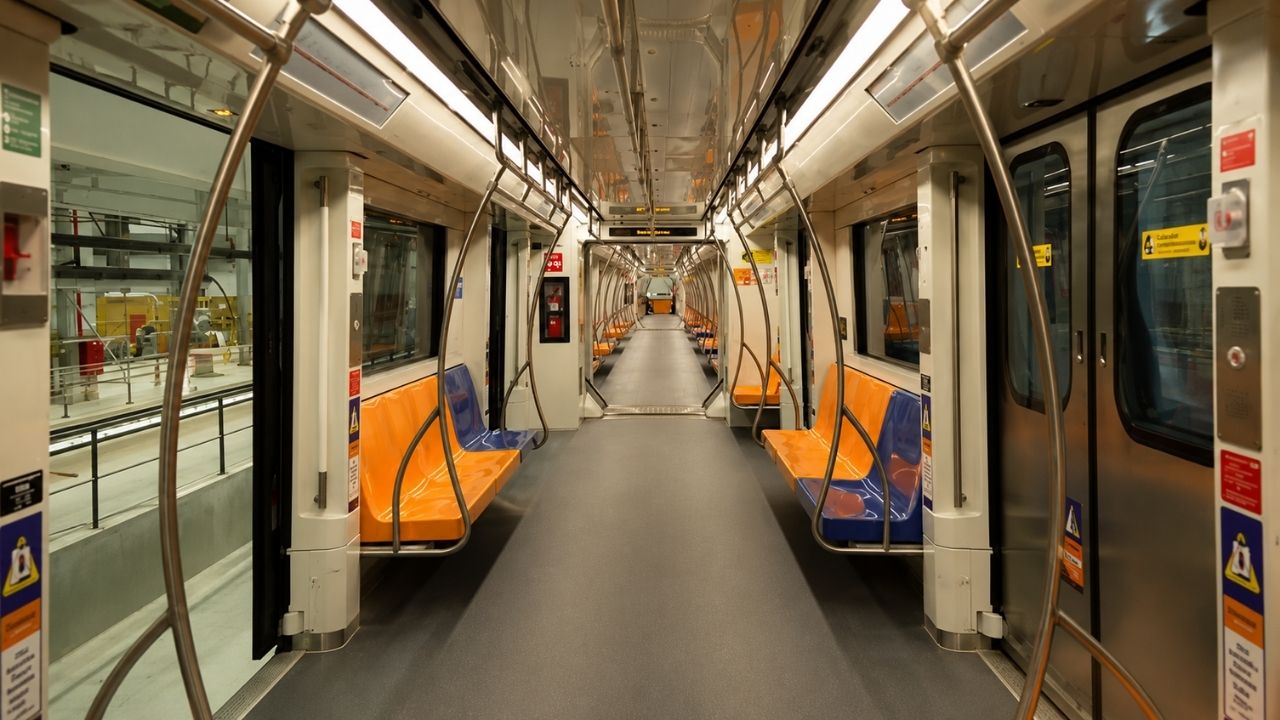
The Line 6-Orange is a Public-Private Partnership between the Government of São Paulo and the concessionaire Linha Uni. The model foresees that the same company will be responsible for the implementation of the infrastructure and the commercial operation of the branch, in a contract that totals around R$ 19 billion in investments.
This format differentiates the project from lines operated directly by the Metro. In practice, the PPP concentrates the execution of the work and the future operation in a concessionaire, making the assisted phase even more observed by users, the public authorities, and urban mobility specialists.
Delivery occurs amid changes regarding concessions
The inauguration of the Line 6-Orange happens at a time when Tarcísio de Freitas has changed the discourse on new concessions of lines already operated by the Metro. According to the report, the governor stated that he no longer intends to grant the Metro lines to the private sector and is considering increasing the public company’s participation in management.
The position represents a change from the initial idea of the management, which planned to grant lines 1, 2, and 3 after auctioning almost all of the CPTM branches. The argument presented is that lines already in operation require accumulated experience and that poorly conducted transfers can cause disruptions to passengers.
Failures in previous concessions enter the debate


Allies of the governor cite the concession of lines 8 and 9, currently managed by ViaMobilidade, from Motiva, as an example. The process, initiated under João Doria’s government, is pointed out as a case where the absence of joint operation with CPTM may have contributed to increased failures and problems on the lines.
This debate influences how new partnerships are conceived. The indicated trend is to create partnerships with the private sector for the construction of new lines, but to maintain the operation of existing branches with the Metro when it is assessed that the public company has better operational capacity.
Line becomes political showcase, but the test will be in daily use
The delivery of Line 6-Orange also carries political weight. The report indicates that Tarcísio intends to present unblocked works, such as line 6, line 17, and the Northern Rodoanel, as part of his management discourse in a potential re-election campaign.
For the passenger, however, the criteria will be less political and more practical: travel time, regularity, safety, integration, and predictability. The assisted operation will be the first public test of a line awaited for almost two decades, but the real judgment will come in everyday use.
What changes for those living between the north, west, and center zones

The Line 6-Orange promises to change the connection between Brasilândia, neighborhoods in the north zone, areas in the west zone, and the center of São Paulo. If the reduction to about 23 minutes is confirmed in full operation, the branch could change how thousands of people access work, study, health, commerce, and services.
The projection is that the line will serve 633 thousand passengers per day when it is fully ready. Until then, the opening of the first six stations functions as a controlled start, still far from the final operation, but enough to show whether the project will be able to turn an old promise into a real gain for the city.
Do you think the Linha 6-Laranja will truly improve commuting in the northern zone of São Paulo, or does it still need to prove itself in daily operation? Share your opinion.