






 Portuguese
  Spanish


Airport Could Become Central Piece of Petrobras Logistics, Attracting Investments, Moving the Regional Economy, and Repositioning the City on the Strategic Map of the Oil and Gas Sector in Brazil.
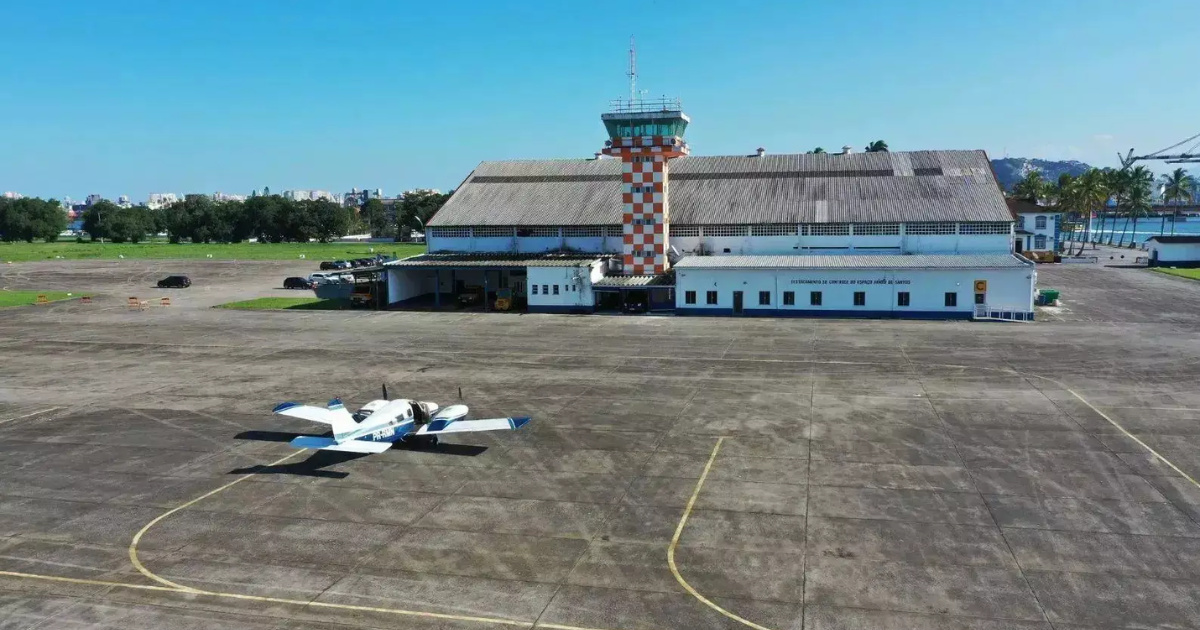
Representatives from Petrobras and Infraero made a technical visit to the terminal facilities of the future Metropolitan Civil Airport at the Santos Air Base in Vicente de Carvalho, a district of Guarujá, last Wednesday (10).
The objective was to assess the use of the site as a support point for transporting teams to the Santos Basin platforms, which could transform the municipality into a new strategic air base for the state-owned company’s offshore operations.
Technical Visit in Guarujá
According to a publication by the newspaper A Tribuna, the agenda was coordinated by the Guarujá City Hall.
-
At 14 years old, she worked in a factory in Hong Kong, studied economics abroad, and then entered the Chinese real estate market, which helped change the landscape of Beijing.

-
While NATO secured more than $10 billion in missiles and space surveillance at a single forum, Brazil still spends 1.1% of its GDP on defense and is stalling its own anti-aircraft system.

-
Corn ethanol attracts R$ 23 billion in 21 new plants and prepares for a nearly 50% jump in Brazilian production by 2027, even with high interest rates.
-
A newly opened terminal in the middle of the Amazon has begun transporting soy and corn through Amapá, eyeing the queue of ships that is congesting the ports in the South.


According to the municipality, the location of the aerodrome within the military base offers logistical advantages for daily travel, with the potential to reduce operational costs and travel time for workers heading for offshore boarding.
The Petrobras team discussed the necessary operational alignment to integrate the airport into the personnel transport itinerary.
Projections Presented by the City Hall
During the meeting, municipal spokespeople presented institutional videos about Guarujá and projections for the airport project, including the Temporary Passenger Terminal.
The municipal proposal was described as an arrangement capable of enabling operations in a staggered manner, in order to meet immediate personnel movement demands while the definitive infrastructure evolves.
No capacity targets or public timeline for delivering the temporary terminal were provided.
Petrobras Plans for Gas Exploration
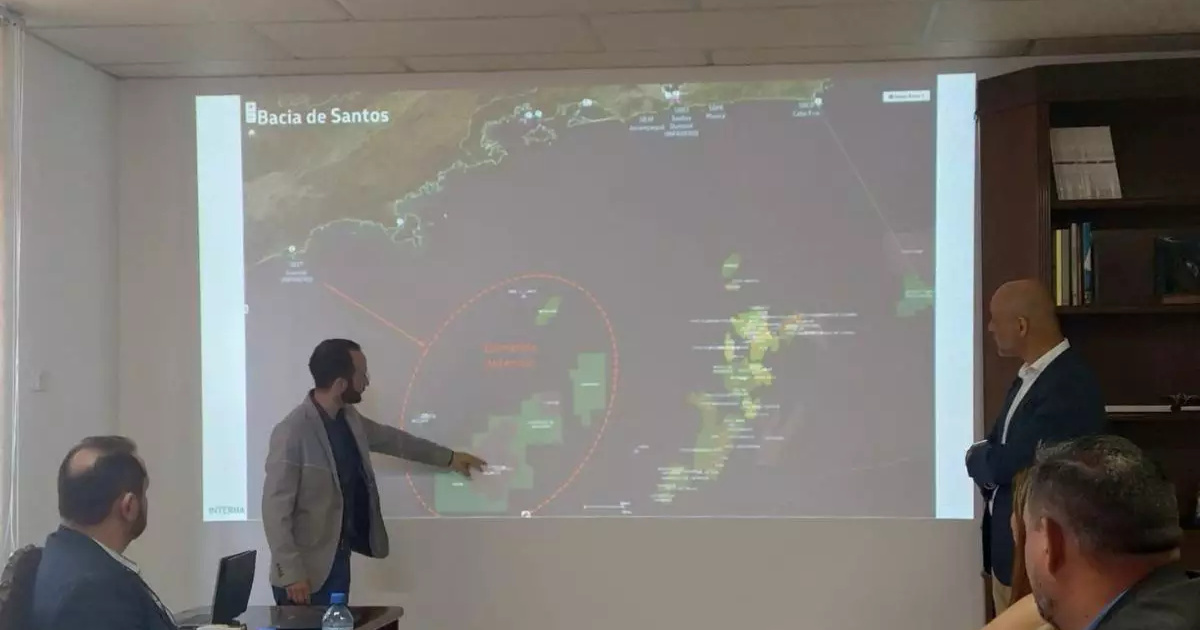
In addition to the assessment of the facilities, Petrobras provided an overview of investments in exploration and production in the region.
Emphasis was placed on the Merluza Field, a natural gas production hub, and on a new area under analysis for future extraction, details of which have not yet been disclosed.
The state-owned company indicated that the proximity of the aerodrome to Santos Basin assets could facilitate the logistics of embarking and disembarking workers, concentrating part of the access operations to the platforms in Guarujá.
Logistical Potential and Economic Impact
The joint reading by the City Hall, Petrobras, and Infraero was that the airport is able to receive frequent flights for transporting company employees.
If confirmed, the site would serve as a logistical facilitator, impacting operational efficiency and regional economic activity.
The municipal administration associated the prospect of regular airport use with a potential boost to the support service chain, although it did not present estimates for jobs or revenue.
Operational Priorities and Temporary Terminal
Meanwhile, the technical stage focused on operation requirements and the adaptation of the temporary terminal to the needs for people flow.
Based on what was reported, the priority of the assessment is to ensure a suitable response time between arrival at the airport, boarding procedures, and transfer to the routes connecting the mainland to offshore units.
However, data regarding daily flight frequency, operating windows, or planned aircraft types were not disclosed.
Participation of Infraero and Petrobras
The meeting included the presence of the Municipal Secretariat of Economic and Port Development (Sedep), five operational managers from Petrobras, and the superintendent of airport services at Infraero, Rodrigo Medeiros.
The meeting format was technical, aimed at checking usage conditions and mapping necessary adjustments in the infrastructure to adhere to safety and passenger service protocols.
Structure and Mobility in Guarujá
On the other hand, the municipality emphasized the role of the Metropolitan Civil Airport within a broader strategy of mobility and development.
The presentation included projections of the development and the temporary terminal as a tactical step to start operations, parallel to the processes related to permanent phases.
Infraero, for its part, participated with a technical team responsible for monitoring operational parameters and service standards to be observed in any frequent personnel transport flights.
Pending Definitions from Petrobras
Nonetheless, the potential participation of Petrobras in the Guarujá airport depends on operational validations and syncing schedules with the boarding flows of the platforms.
The state-owned company indicated that the geographical positioning is considered “privileged” for access to the Santos Basin, but did not present investment amounts, operation start deadlines, or expected performance indicators.
The city hall did not disclose regulatory or environmental conditions associated with the civil use of the airport site within the military base.
New Areas Under Analysis by the State-Owned Company
In addition to the Merluza Field, cited as a natural gas hub, Petrobras indicated that it is analyzing a new area with potential for future extraction in the region.
The disclosed information maintains focus on the evaluation and logistical planning stages, without detailing production volumes, number of workers served daily, or demand peak forecasts.
The city hall stated that the set of operations has the potential to “boost the regional and national economy”, without attaching studies or historical series that quantify this impact.
Technical Requirements for Personnel Transport
In operational terms, the discussion considered the routine of transporting employees to oil and gas platforms, which requires regularity, predictability, and reduced connection time between land transport and air boarding.
The use of a temporary terminal, according to the municipal presentation, would be a transitional solution to ensure minimum service quality while advancing the definitive infrastructure works.
Issues such as boarding area sizing, security checks, maintenance areas, and service assistance were mentioned descriptively, without disclosed technical specifications.
Joint Technical Evaluation
Institutionally, the presence of operational management from Petrobras and the airport services superintendency of Infraero indicates that the agenda is at the stage of reconciling requirements and surveying site conditions.
The city hall, for its part, takes on the local communication role and coordinates the presentation of the phases of the airport project that may support the start of logistical support operations.
No formal agreement was announced, nor was there a signature on a term defining obligations, deadlines, or performance targets.







Assim que começar a ter grande movimento, os moradores no entorno irão começar a reclamar do aumento do ruído do tráfego de aeronaves.