Portuguese
  Spanish


Petrobras Warns That, Without New Exploration Frontiers, Brazil May Lose Its Exporter Status and Return to Importing Oil by 2034
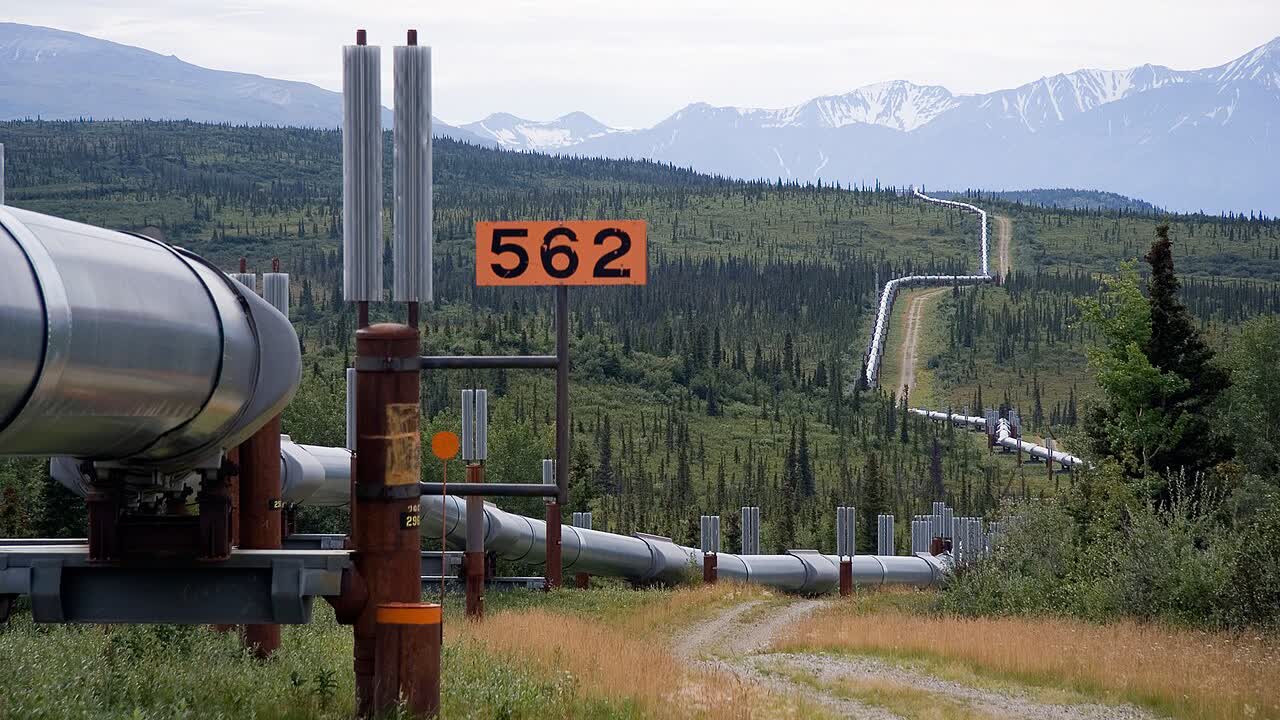
In 2024, oil surpassed soybeans and took the lead in Brazilian exports. The commodity accounted for more than 52% of foreign sales, according to the Foreign Trade Secretariat (Secex). However, in 2025, Petrobras warned the federal government about the risk of Brazil returning to importing oil starting in 2034. The state-owned company advocated the need for immediate diversification and exploratory expansion.
Pre-Salt Cycle Threatened to Lose Momentum by 2050
The state-owned company links its concern to the depletion of the pre-salt exploration cycle, a layer that has driven production since 2007. Technical studies released in 2025 show that, by 2050, current and developing wells will not maintain production at satisfactory levels.
This is why Petrobras intensified in 2025 dialogues with the federal government, the National Congress, and governors of the Amazon. The company is seeking alternatives to expand exploration. Management is pressuring the Ministry of the Environment and Ibama to quickly authorize the licensing of the equatorial margin, which extends from Rio Grande do Norte to Amapá.
-
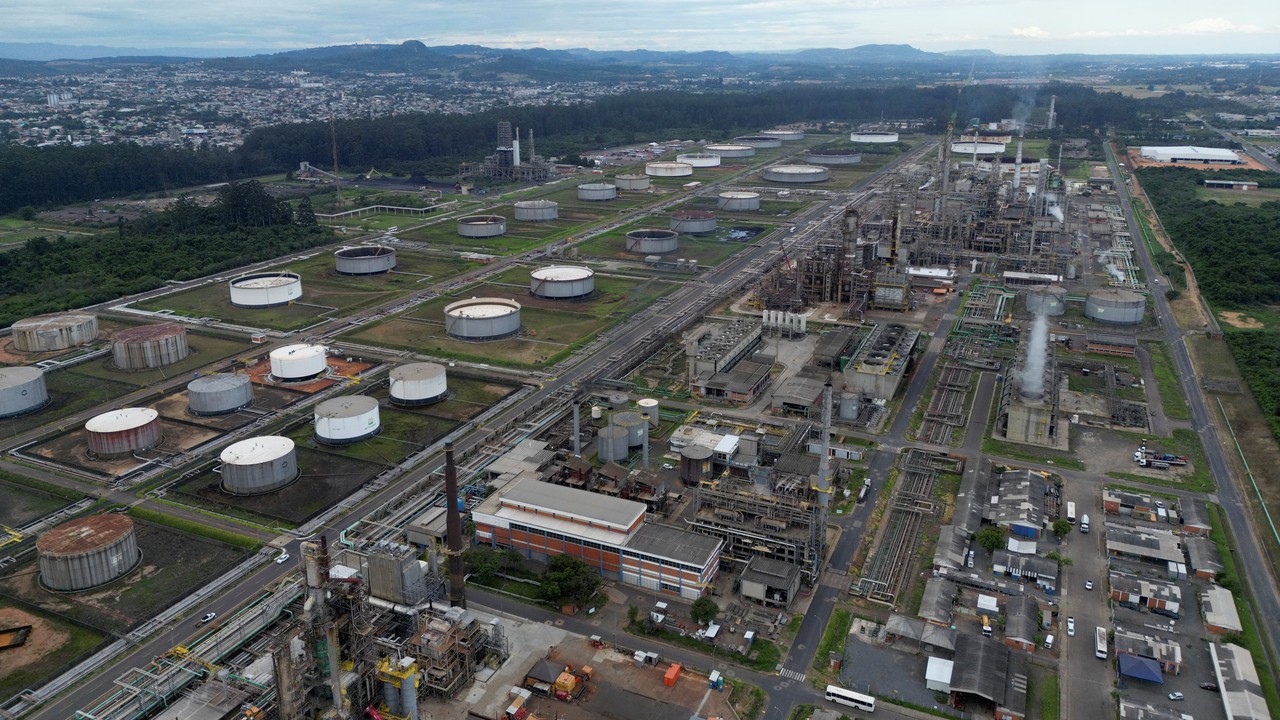
With a record production of nearly 3 million barrels per day, Petrobras resumes importing diesel in July, highlighting the bottleneck in Brazilian refining.

-
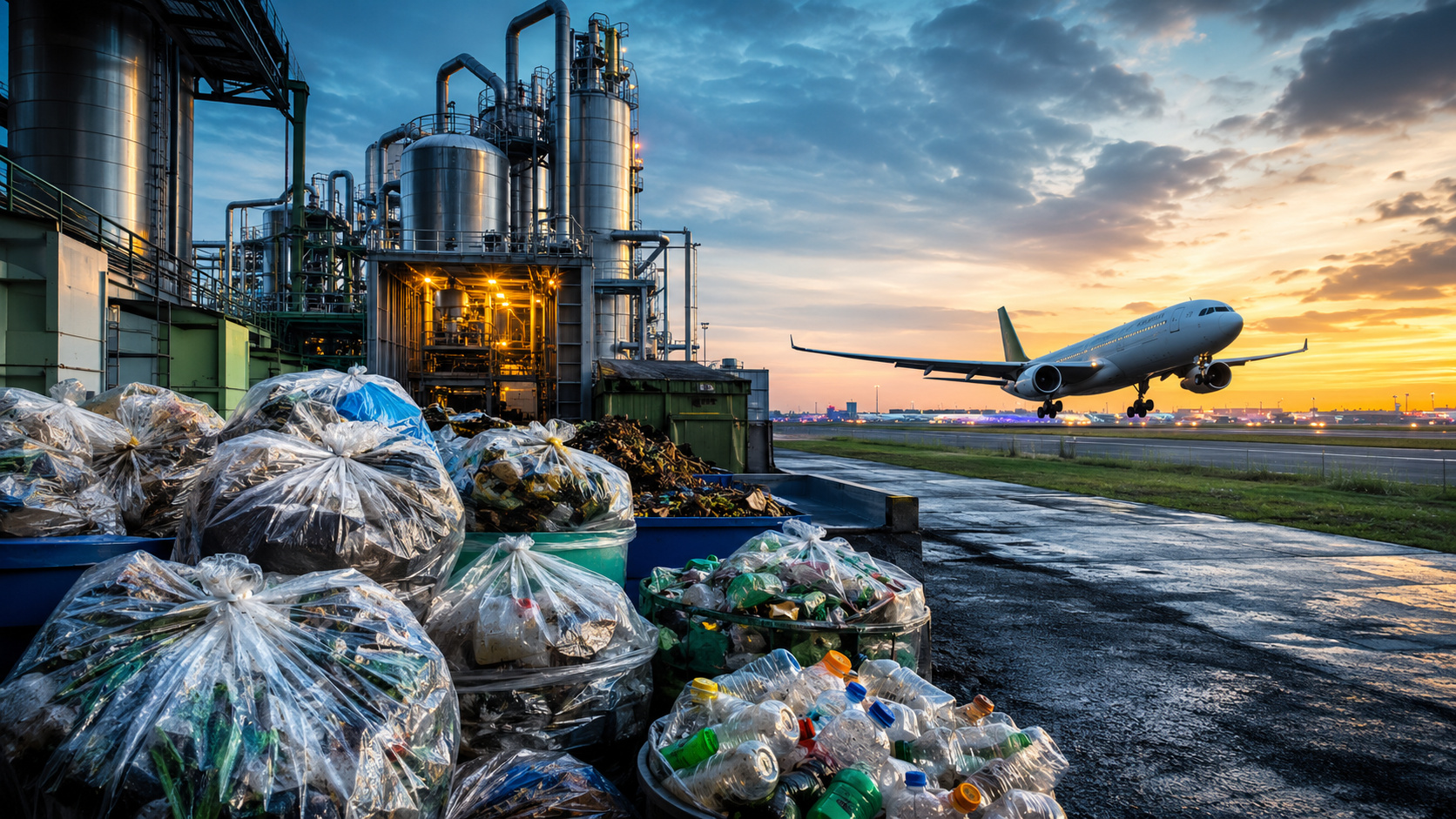
Qantas and Airbus Invest in Company Aiming to Convert Unsorted Household Trash into Jet Fuel

-
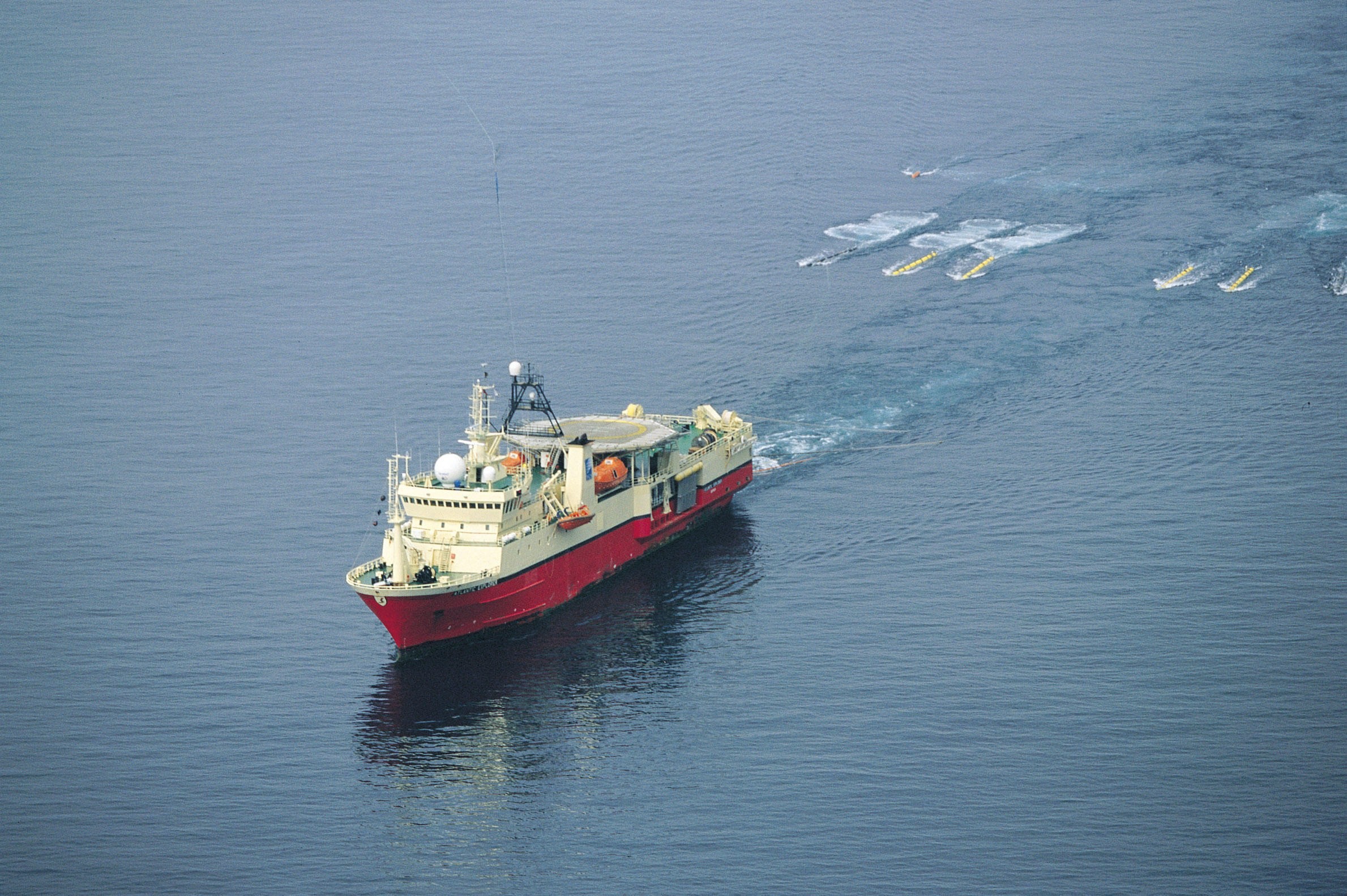
Brazil’s ANP Opens 86 New Oil Blocks in the Equatorial Margin, Expanding the Amazon River Mouth Frontier

-
OPEC+ Boosts Oil Supply by 188,000 Barrels per Day in July 2026, Leading to Price Drop from $112 to $89 per Barrel in Under Two Months
Investment of US$ 3 Billion in New Wells
To combat the decline of the pre-salt, Petrobras announced in June 2025 an investment of US$ 3 billion. This amount is equivalent to R$ 16.2 billion at the current exchange rate. These funds will finance the opening of 16 exploratory wells in the equatorial margin.
However, the company has only drilled two wells in Rio Grande do Norte. So far, the results have shown limited discoveries, according to official communications.

According to Sylvia Anjos, Director of Exploration and Production (E&P) at Petrobras, in an interview in August 2025, “the key to the future is to use all forms of energy in the country in a complementary, efficient, and sustainable manner.” She emphasized that Brazil has “sun, wind, uranium, hydropower, geothermal, and, of course, oil and natural gas”.
Strategic Role of Oil in Exports
In addition to leading exports in 2024, oil strengthened Brazil’s trade relations with African countries and India. During the same period, Petrobras focused efforts on revitalizing major fields like Tupi and Búzios. These assets sustain national production and ensure international relevance.
The international scenario underscores the urgency. Guyana produced about 650,000 barrels per day in 2025. The country announced plans to double production starting in 2027, according to a report by the International Energy Agency (IEA).
Inspired by this model, Petrobras bets on the potential of the equatorial margin. However, progress depends on the quick release of environmental licenses.
Petrobras Calls for Regulatory Agility
Thus, concern for the future of the pre-salt is growing in intensity. The natural decline in reserves threatens national energy security in the coming decades. Therefore, the state-owned company argues that diversification of sources and regulatory speed are fundamental conditions to ensure balanced growth.
In this way, Petrobras claims that the future of the Brazilian energy matrix by 2050 depends on the decisions made now. Management highlights that Brazil must explore its resources strategically and responsibly, promoting economic development aligned with environmental preservation.
What do you think should be a priority for Brazil: accelerating exploration of the equatorial margin to avoid future risks of importation or adopting a slower and more sustainable strategy to protect the environment?