






 Portuguese
  Spanish


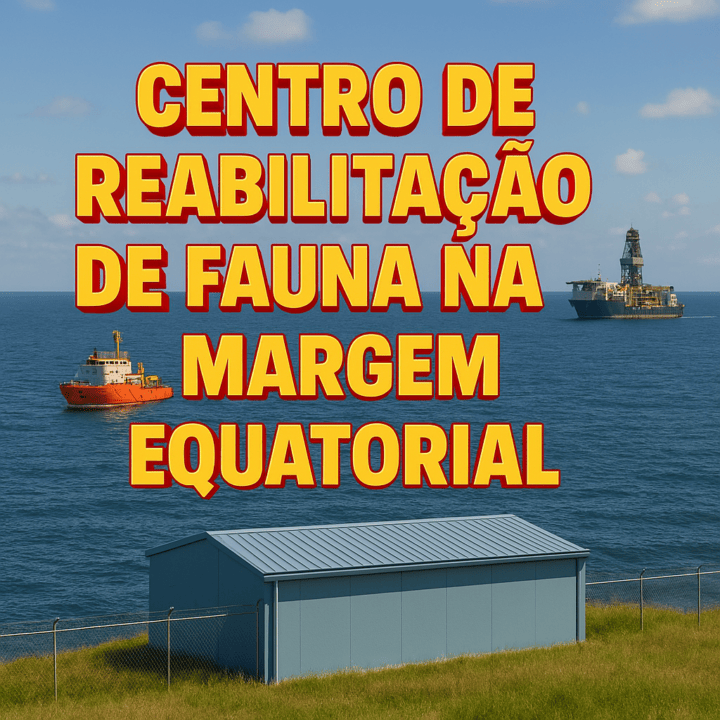

Structure in Amapá Is Part of Environmental Requirements Related to Future Drilling of Exploratory Well on the Brazilian North Coast
Petrobras obtained, on Friday (April 4, 2025), the license from the Amapá State Secretary of the Environment to begin operation of a Fauna Care and Rehabilitation Unit in Oiapoque, located on the Brazilian equatorial margin.
The structure is part of the set of environmental measures required in the licensing process for the offshore drilling project on the Amapá coast. The facility operates as a specialized care center, with a clinic, stabilization rooms, a surgical center, and spaces focused on the rehabilitation of species such as birds, sea turtles, dolphins, manatees, and other aquatic mammals.
Unit Complements Petrobras’ Environmental Response Plan
The construction of the unit aims to enhance Petrobras’ ability to respond to environmental emergencies, should drilling occur in the future.
-
Petrobras to Double Natural Gas Supply in Northeastern Brazil with New Investment

-
Petrobras Approves $1.2 Billion Refinery in Brazil to Produce Aviation Fuel and Diesel from Plants
-
Petrobras Secures $2.2 Billion Contract to Build and Operate Four Support Vessels for Brazil’s Offshore Oil Fields
-
Oil production grows in Rio, but reserve replacement raises a warning sign



Additionally, according to the company, the center will act complementarily to the Oil Spill Cleanup and Fauna Rehabilitation Center in Belém (PA), which is already operational.
Moreover, the installation in Oiapoque is still awaiting a technical inspection by Ibama, necessary before the official start of activities. Petrobras reported that the space will be available for inspection starting this Monday, April 7, 2025.
This measure is part of a broader protocol adopted by the company to enable safe and environmentally responsible exploration in the region. However, so far, there is no official confirmation regarding the start date for the well drilling.
According to Brazil 247, the project is also part of the state-owned company’s preparations for future operations on the equatorial margin.
This region, in turn, is considered promising due to its high oil potential.


