






 Portuguese
  Spanish


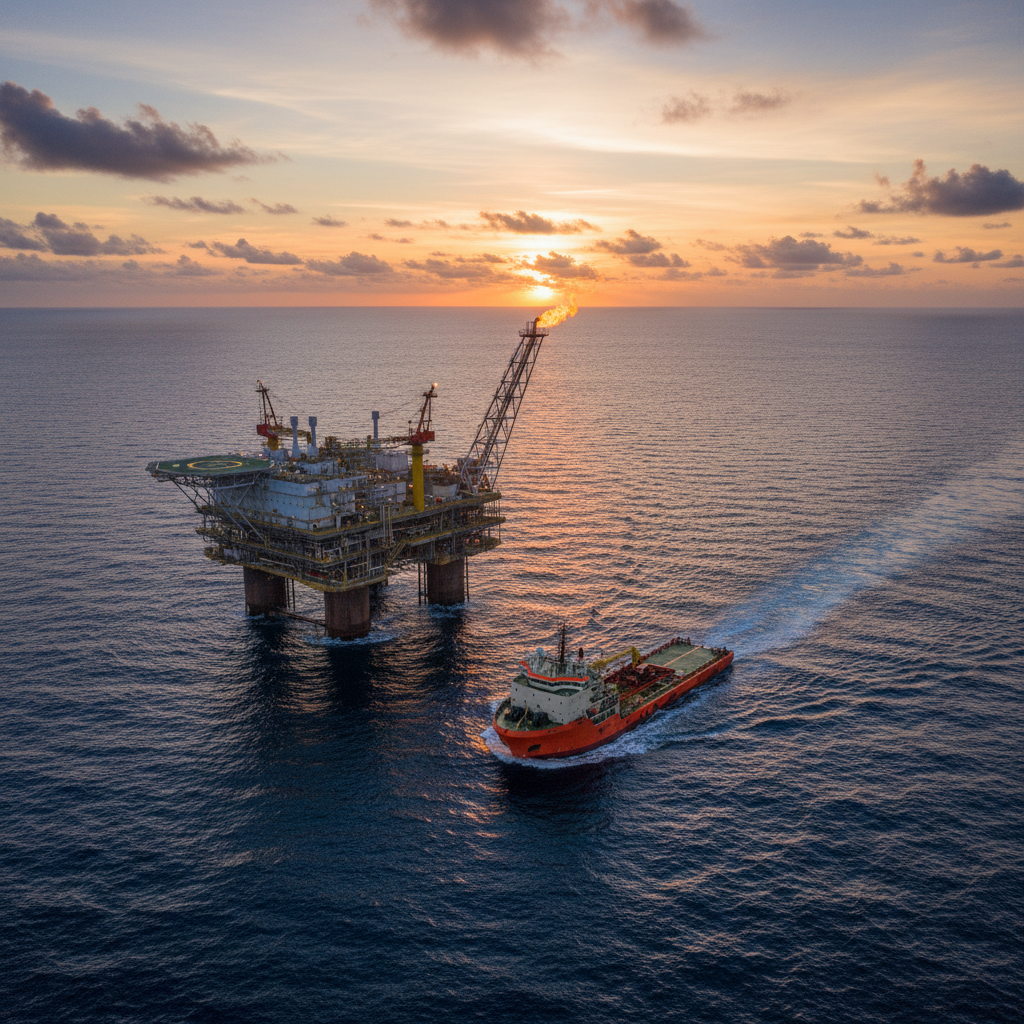

201 km off the coast of Rio de Janeiro and nearly 3,000 meters underwater, Petrobras robots confirmed through electrical profiles and fluid samples that the pre-salt of the Campos Basin still holds oil where no one had drilled
In an ocean region where the water depth reaches 2,984 meters, Petrobras robots dove to the bottom and confirmed what geologists had suspected for years.
There is more hidden oil in the pre-salt of the Campos Basin.
The announcement was made by Agência Brasil on April 13, 2026.
-
Fired during apartheid and with a little borrowed money, an electrician started with a borrowed truck and transformed electrical services into a group connected to energy, real estate, and infrastructure in South Africa.

-
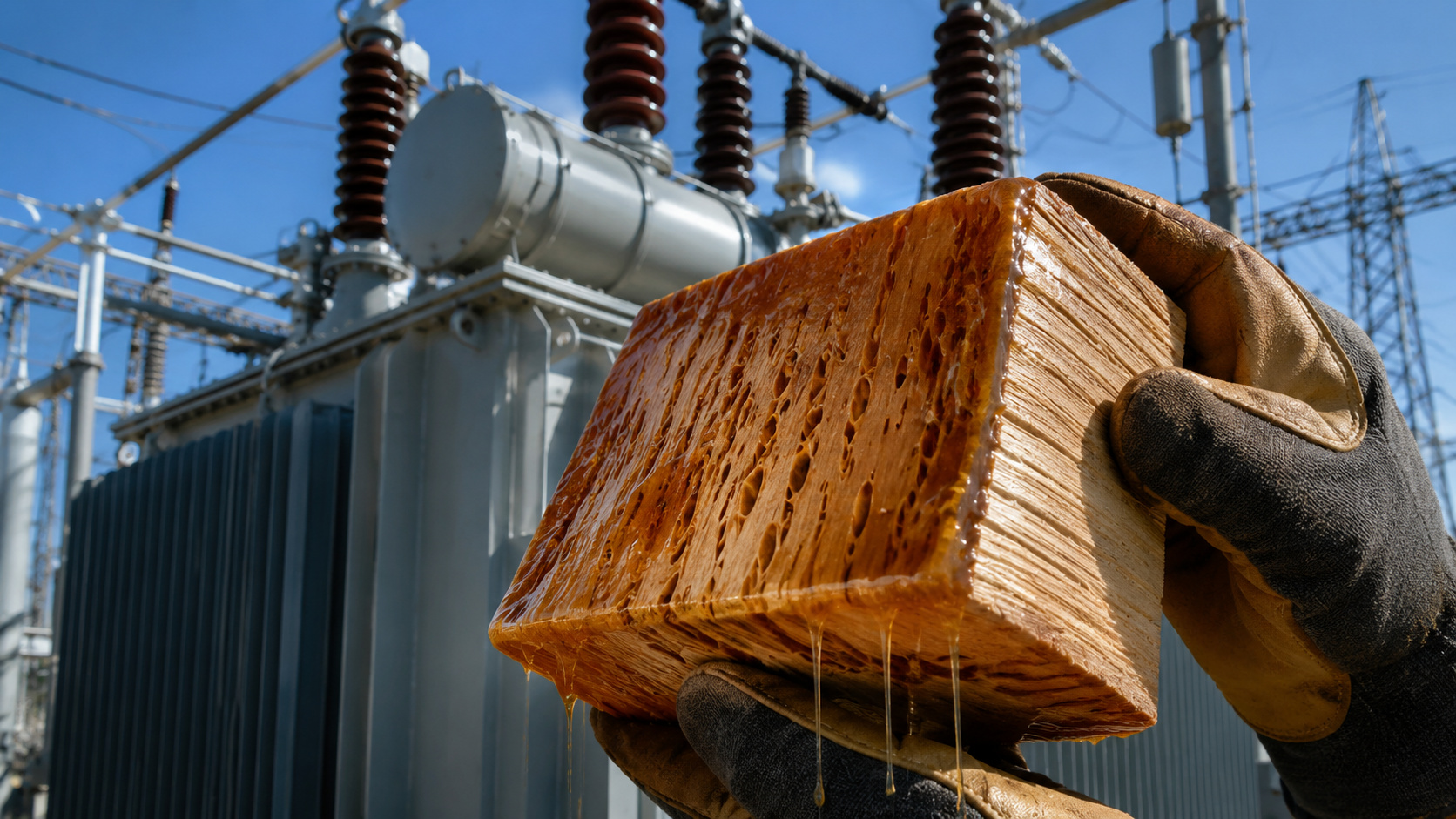
Wood has ceased to be just a construction material in Yale research and has become insulation for electrical transformers that face intense heat, aging, and increasing pressure from the renewable energy-powered grid.
-
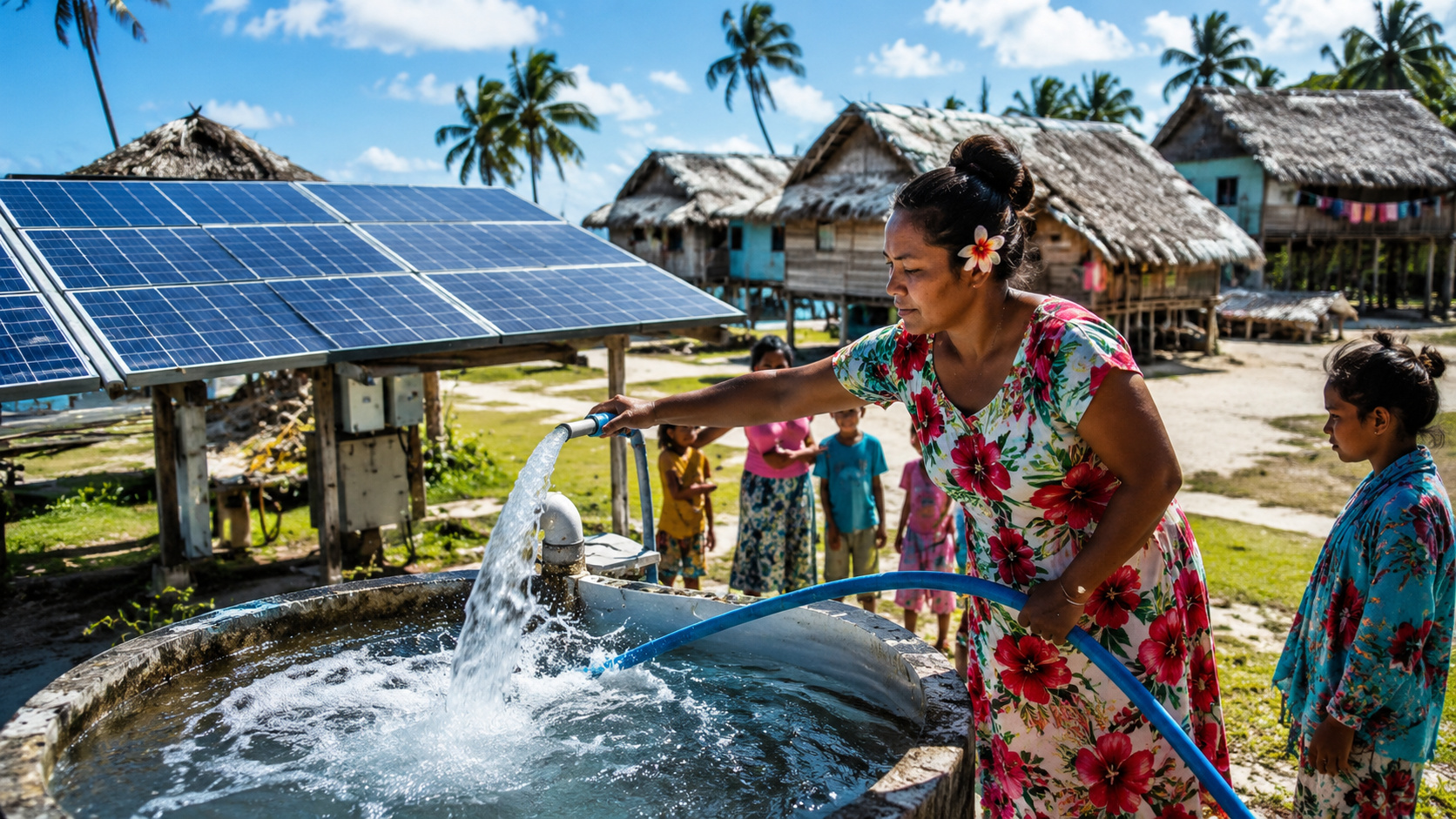
More than 1,000 residents of a remote island in Kiribati now have clean water and electricity with solar systems operated by the community itself.
-
They exchanged the idea of a large house for a 35 m² warehouse, spent US$ 12,000 on the structure, and created a tiny house in Colorado with space to live and work.


The presence of hydrocarbons was confirmed through electrical profiles, as well as indications of gas and collection of fluid samples during drilling.

Block C-M-477 — where it is and who operates it
The exploratory well was identified in the SC-AP4 sector, within the C-M-477 block.
The location is 201 kilometers from the coast of the state of Rio de Janeiro.
Petrobras operates the area with a 70% stake.
The other 30% belongs to bp, the British energy giant.
Thus, the risk and investment are shared between the two companies.
Context: Petrobras already produces 2.2 million barrels per day in the pre-salt
The discovery gains importance in the context of Petrobras’s record production.
The company surpassed the mark of 2 million barrels of pre-salt produced per day for the first time.
The record reached 2.2 million barrels daily.
Therefore, any newly confirmed reservoir could further increase this production.

What comes next: laboratory decides the future
The samples collected during drilling will undergo laboratory analyses.
The goal is to determine the characteristics of the reservoirs and the fluids found.
This stage will define the commercial viability and the next steps of exploration.
If the results are positive, Petrobras may begin the development of the well, which would involve new platforms and underwater infrastructure.
Campos Basin — the veteran that still surprises
The Campos Basin is the oldest oil-producing area in deep waters in Brazil.
Many analysts believed it had already delivered its maximum potential.
However, the new discovery in the pre-salt shows that there are still unexplored reservoirs at extreme depths.

Caveats
The presence of hydrocarbons was confirmed through electrical profiles and fluid samples, but commercial viability has not yet been determined.
Moreover, developing a new well at nearly 3,000 meters deep involves billion-dollar investments and timelines that can take years.
Still, the discovery reinforces Brazil’s position as one of the largest exploratory frontiers for oil in the world.








