






 Portuguese
  Spanish
 4 min of reading
  0 comments


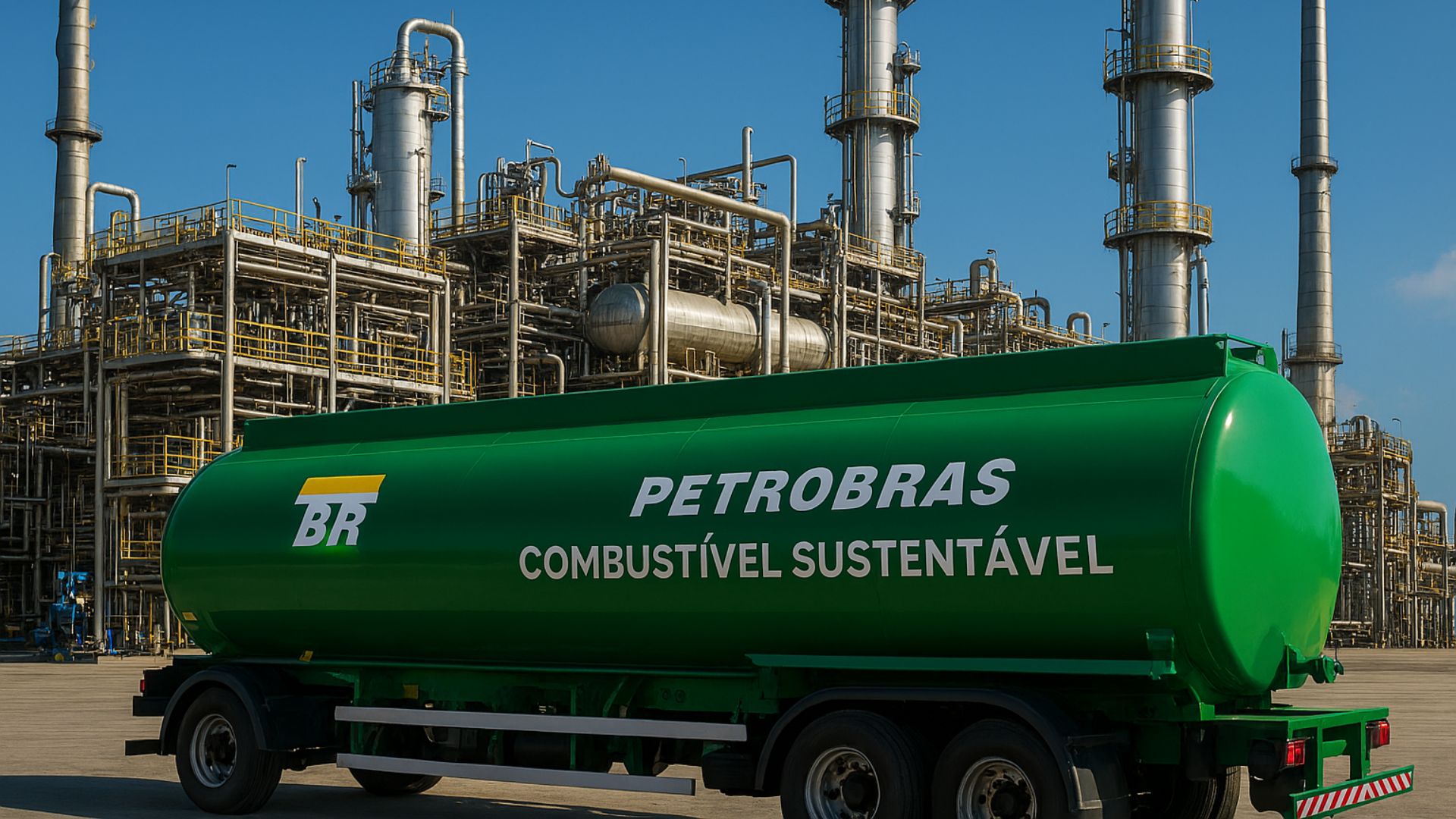
Petrobras Begins Testing at Revap to Integrate Sustainable Fuel into Brazilian Aviation. The Production of SAF Marks a Strategic Advance Towards Energy Innovation and Sustainable Aviation in the Country
On this Wednesday (10), Petrobras’ announcement regarding production testing of SAF (Sustainable Aviation Fuel) with renewable content at the Henrique Lage Refinery (Revap), located in São José dos Campos (SP), represents a strategic advance for the energy sector and sustainable aviation in Brazil.
The production of SAF with up to 1.2% renewable content was achieved through the coprocessing of vegetable oil with conventional petroleum streams, resulting in a sustainable fuel compatible with the aviation kerosene (QAV) currently used.
This initiative marks the beginning of a new phase in the national energy transition, focusing on reducing carbon emissions and meeting global environmental goals.
-
US$ 7 billion, green hydrogen, and steel with up to 95% less CO₂: the first green steel plant on the planet emerges in Sweden and targets Brazil as the next chapter

-
Swedes manage to create synthetic fuel with CO₂, water, and renewable energy, compatible with current engines, but face a huge problem: the energy expenditure is still double the return.
-
Brazil begins to transform wheat, residues, sweet potatoes, and soy molasses into ethanol, in a new phase of biofuels that seeks to utilize leftovers from the field and industry to fuel flex-fuel cars.

-
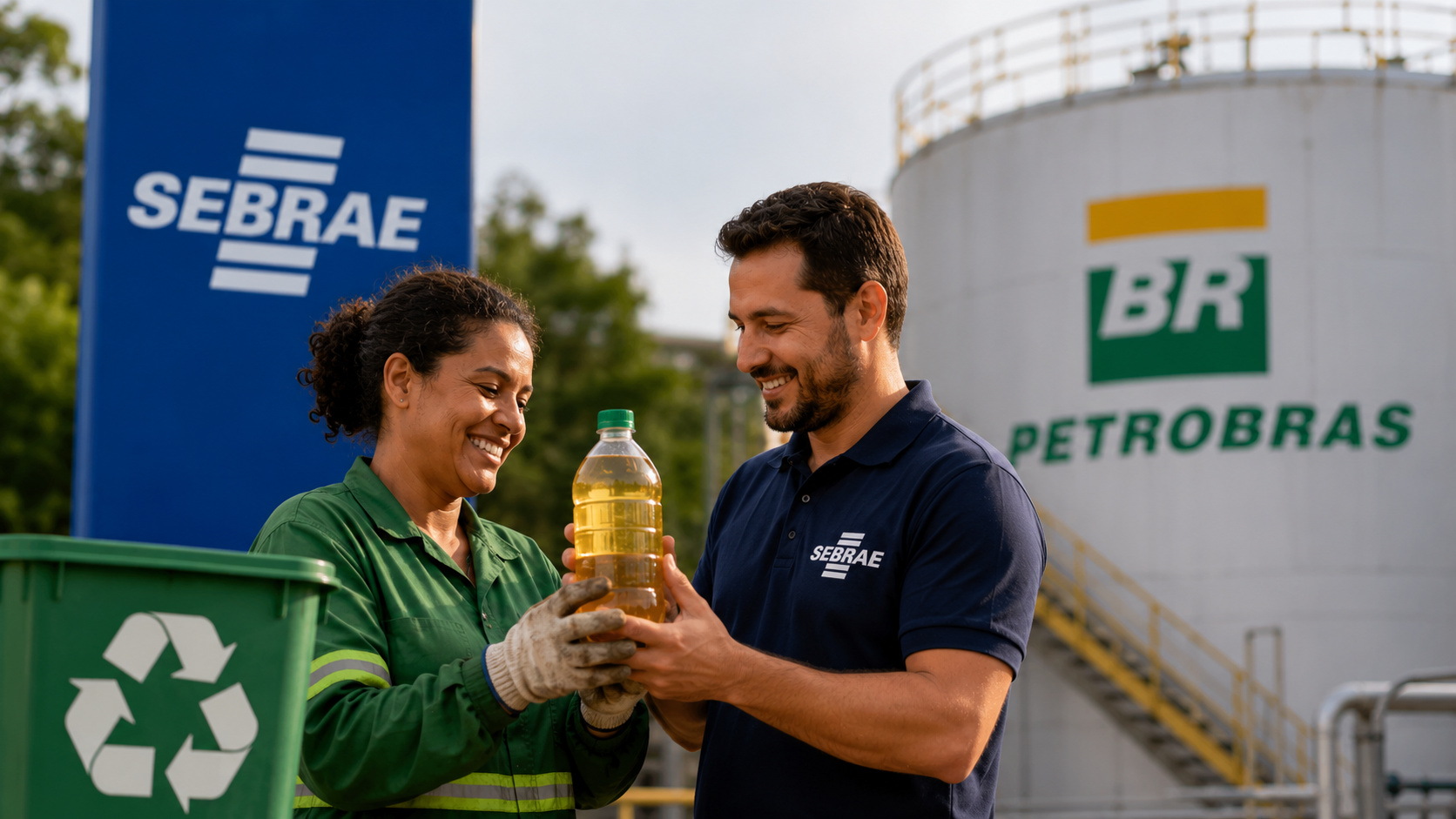
Sebrae and Petrobras join forces in Ceará to include waste pickers in the circular economy and strengthen the biofuel chain, creating new income opportunities and expanding the sustainable use of waste with a direct impact on regional development.




Production of SAF at Revap: Innovation with Existing Infrastructure
The Henrique Lage Refinery (Revap) was the center of the tests conducted by Petrobras for the production of SAF with renewable content. The process involved mixing vegetable oil with conventional petroleum flows, utilizing the already existing infrastructure at the facility. The result was a fuel with up to 1.2% renewable content, capable of replacing QAV without the need for adaptations in aircraft or fueling systems.
According to Alexandre Coelho Cavalcanti, General Manager of Revap, this strategy represents a low-cost alternative for producing fuels with renewable content, leveraging the infrastructure already installed at refineries. This strategy allows Petrobras to accelerate SAF production on an industrial scale, reducing costs and optimizing resources.
The choice of Revap for the tests was not random. The refinery has the technical and operational capacity to carry out coprocessing safely and efficiently, in addition to being strategically located in an area with strong demand for aviation fuel.
Petrobras’ Goal: Sustainable Aviation and Regulatory Targets
Petrobras’ production of SAF is directly aligned with the Future Fuel Law, sanctioned in 2024, which sets mandatory targets for the use of sustainable fuels in aviation starting in 2027. Additionally, the CORSIA (Carbon Offsetting and Reduction Scheme for International Aviation) program, from the International Civil Aviation Organization (ICAO), will require airlines to reduce or offset their CO₂ emissions on international flights.
These regulations make the development of solutions like SAF urgent, which can be integrated into the current system without major logistical changes. By anticipating legal requirements, Petrobras positions itself as a key player in the transition to sustainable aviation, offering viable alternatives compatible with existing infrastructure.
Aviation accounts for about 2% of global CO₂ emissions, according to data from ICAO. The use of SAF can reduce these emissions by 55 to 90% over the fuel lifecycle, depending on the feedstock and the process used.
Sustainable Fuel: Environmental and Economic Benefits
SAF is considered a sustainable fuel due to its ability to significantly reduce greenhouse gas emissions. In the case of Petrobras, the use of vegetable oil as a renewable feedstock represents a low environmental impact and high energy efficiency alternative.
In addition to the environmental benefits, SAF production contributes to the diversification of the Brazilian energy matrix, reducing dependence on fossil fuels and promoting the circular economy. Domestic production strengthens energy security and can generate jobs in productive chains related to agribusiness, biofuels industry, and logistics.
With the adoption of SAF, Brazil has the potential to stand out internationally in fuel production, considering its experience with biofuels.


Expansion of SAF Production by Petrobras
The Revap initiative is part of a broader plan by Petrobras to expand SAF production at other units. The Duque de Caxias Refinery (Reduc), in Rio de Janeiro, has also received authorization from the National Agency of Petroleum, Natural Gas and Biofuels (ANP) to incorporate up to 1.2% of renewable feedstock in the production of aviation fuel.
The expectation is that commercial SAF production at Reduc will begin in the coming months, increasing national supply and strengthening the supply chain. Petrobras intends to use coprocessing as a short-term solution while developing more advanced technologies to enhance the renewable content and efficiency of the processes.
William França, Director of Industrial Processes and Products at Petrobras, noted that the action reinforces Petrobras’ commitment to innovative and sustainable practices, anticipating future aviation needs and contributing to the evolution of a cleaner and more efficient aviation sector.
Brazil as a Leader in Sustainable Aviation
With initiatives like SAF production at Revap, Brazil positions itself as a relevant player in the global sustainable fuel market. The country has competitive advantages, such as an abundance of biomass, consolidated experience in biofuels, and adaptable refining infrastructure.
According to the International Air Transport Association (IATA), the demand for SAF is expected to grow exponentially in the coming decades, with projections that the fuel will account for up to 65% of the aviation sector’s needs by 2050. By investing in technology and testing, Petrobras prepares to meet this growing demand and contribute to international climate commitments.
Furthermore, Brazil can economically benefit from SAF exports and technology transfer, consolidating its position as a leader in sustainable energy solutions.
The Role of Petrobras in the Energy Transformation of the Aviation Sector
The production of SAF with renewable content at Revap represents a strategic milestone for Petrobras and Brazil. The initiative meets legal requirements, contributes to emission reductions, and strengthens the country’s position in the global sustainable fuel market.
By utilizing existing assets and investing in coprocessing technology, Petrobras demonstrates that it is possible to advance the energy transition efficiently and economically. Sustainable aviation is no longer a distant trend but a reality in progress — and Brazil is on the right track to lead this movement.






Be the first to react!