





 Portuguese
  English
  Spanish
  3 min of reading


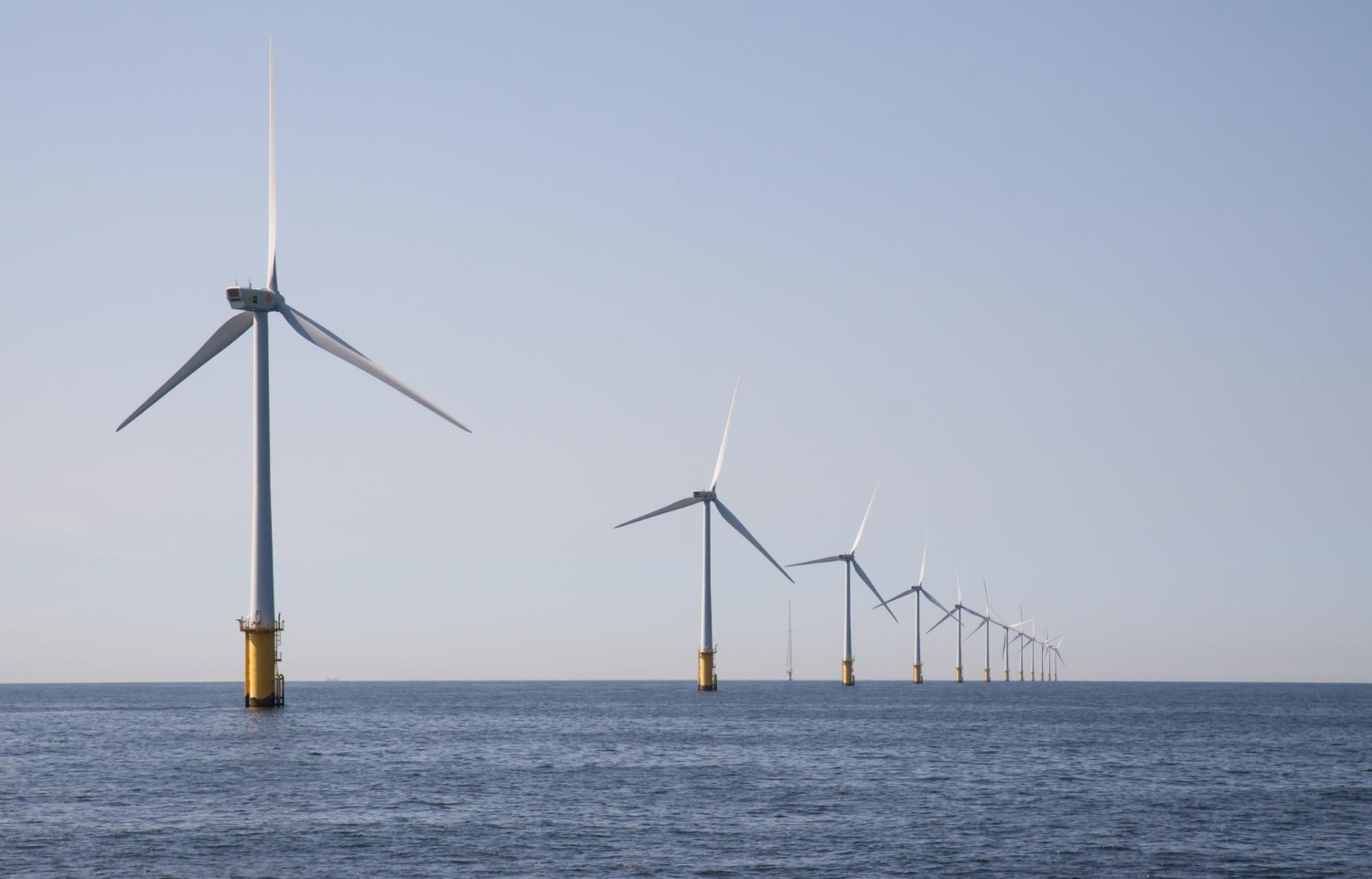
Aiming at the Energy Transition Market and New Renewable Energies in Brazil, Shell Oil and Gas Company Is Assessing Offshore Wind Energy Project Permits and Plans to Invest in the Segment in the Coming Years.
The Shell Brazil oil and natural gas company is focused on the favorable national energy transition scenario for renewable energy projects. Thus, the company intends to invest in the segment and is currently assessing permits with the Brazilian Institute of Environment and Renewable Natural Resources (Ibama) for the production of offshore wind energy in Brazil in the coming years.
Renewable Energy Market With Focus on Offshore Wind Energy Projects in Brazil Is Shell’s Main Bet for the Future
The Brazilian market and major players in the national economy are already keeping an eye on the future of the energy transition segment, a topic increasingly discussed in the country, and are preparing to direct their investments toward renewable energy production.
Among the companies attentive to this sector, the oil and natural gas company is the main one and is developing sustainability projects in the country.
-
Europe wants to hold onto the black powder from used batteries because this dark residue contains valuable metals, can supply up to 1 million electric cars per year, and has become an industrial dispute.

-
Brazil filled the Northeast with wind turbines but now faces the side effect of 705 giant blades reaching the end of their lifespan by 2032 just in Rio Grande do Norte, while the world projects 43 million tons of waste by 2050.

-
Brazil has filled the Northeast with wind turbines, but now it faces the side effect of 705 giant blades reaching the end of their useful life by 2032 just in Rio Grande do Norte, while the world projects 43 million tons of waste by 2050.
-
Study by Global Project Tracker reveals: While major economies compete for climate leadership, Brazil gathers a potential of US$ 306 billion in sustainable industrial projects and advances in the production of SAF and green aluminum, attracting international capital and strengthening its global strategic position.



According to Shell Brazil’s president, Cristiano Pinto da Costa, the company is making “rapid strides” to enter the renewable energy market and intends to focus on the segment over the coming years.
The executive participates in Shell Talks, in a panel themed around the ESG Agenda, discussing the company’s new positioning in the oil and natural gas sector regarding the energy transition in Brazil.
The company is now focusing on licensing offshore wind energy production projects, one of the major bets of the national market for the future of renewable energies in Brazil.
According to Ibama, Shell currently has a total of 18 GW of offshore wind projects under assessment in the national territory and plans to continue expanding this number in installed capacity over the coming years.
The production of offshore wind energy in Brazil has become a major focus of the Federal Government and large companies in the energy sector, and Ibama has already received more than 50 projects in recent months.
Multinational States It Aims to Increase the Share of Investments Destined for Renewable Energy Production With a Focus on Offshore Wind Energy Projects
The president of Shell Brazil, Cristiano Pinto da Costa, commented on the current focus of the company on investments in the national market and stated that Shell still has a strong connection to the oil and natural gas sector, but is working to streamline this presence.
According to the executive, the company invests approximately US$ 8 billion annually in oil and gas projects and about US$ 2 billion in renewable energies, but “This proportion is expected to balance in the coming years,” as he highlighted.
He also emphasized that he believes the current moment of energy transition in Brazil requires companies to focus on ESG practices, and those that do not meet this demand will be left behind.
However, he noted that Shell’s main focus, until the implementation of offshore wind energy projects, will still be the oil and natural gas market, due to the high profitability of the sector.
The president of Shell concluded by emphasizing that Brazil is a country whose oil and gas industry demonstrates competitiveness, particularly with the pre-salt, which has placed the country in the global market, but is now moving toward a new scenario for the production of energy and resources derived from the sector.






Be the first to react!