






 Portuguese
  Spanish
  4 min of reading
  0 comments


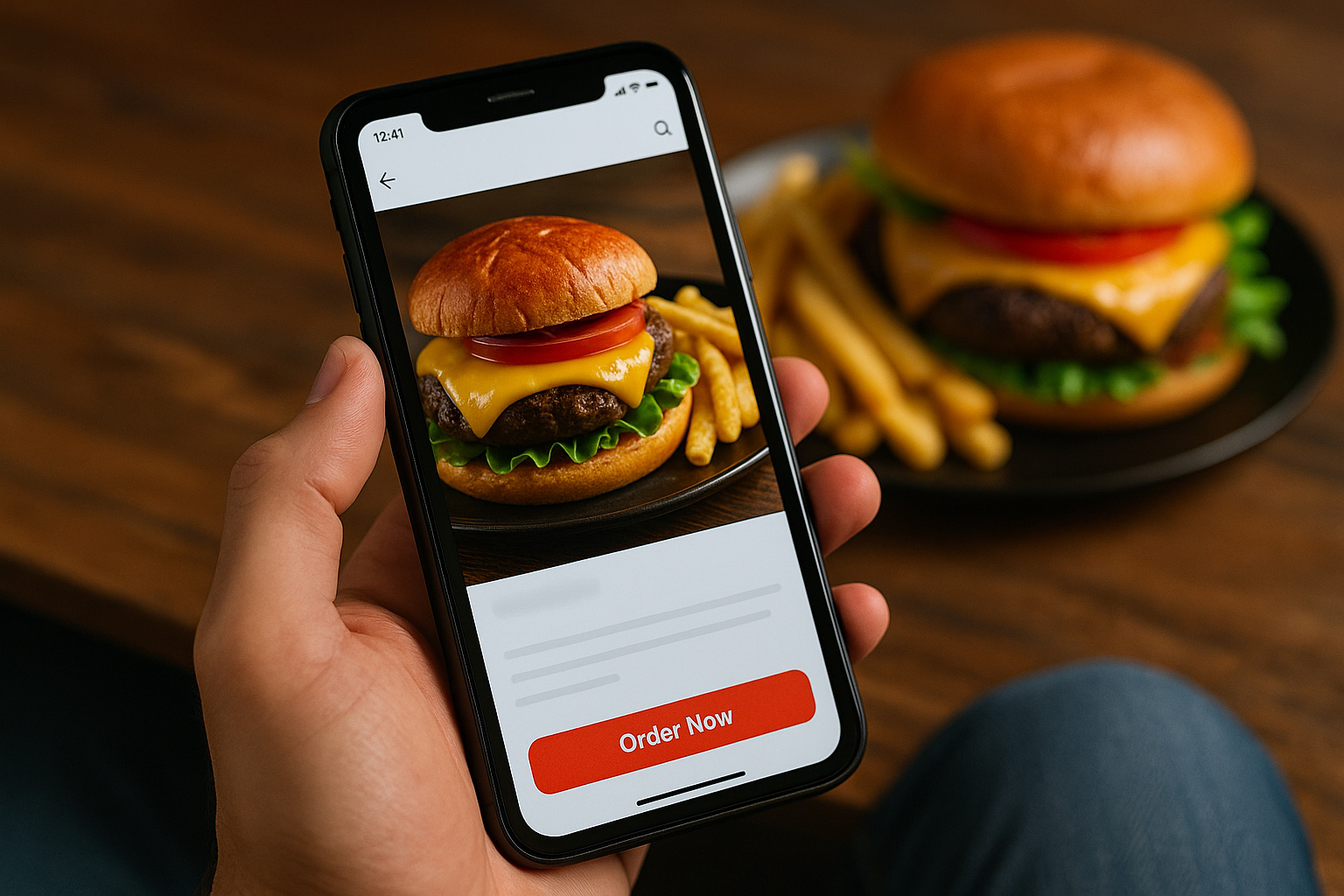
The Use of Images Produced By Artificial Intelligence In Digital Menus Raises Legal Questions, Sparks Debates About Transparency And Changes The Way Consumers Evaluate Advertising In The Delivery Sector
The food delivery sector in Brazil, driven by large platforms and significantly expanded in 2024, is experiencing a moment of reevaluation regarding how products are presented to the consumer.
Amid the increasing competition, restaurants have started adopting AI-generated images to make their dishes visually more appealing.
At the same time, there have been cases of consumers using the same technology to manipulate photos and request undue refunds, which has led to discussions about fraud and legal responsibility, as stipulated in the Penal Code and the Consumer Defense Code.
Suppliers Who Use Artificial Images And The Consumer Defense Code
Consumer protection regulations establish that all offers must provide the customer with appropriate, complete, and clear information about the product.
Article 6, clause III, of the Consumer Defense Code (CDC) stipulates that quantity, characteristics, composition, and quality must be precisely informed.
When the AI-generated photo displays a product that does not correspond to the real dish, there is a risk of violating the duty of transparency.
Article 37, paragraph 1, of the CDC considers misleading advertising any message that can mislead the consumer, whether through exaggeration, omission, or visual presentation incompatible with reality.
In these situations, the customer may demand fulfillment of the offer, accept another equivalent product, or terminate the contract, as per Article 35 of the CDC.
Manipulation Of Images By Consumers And Classification As Fraud
The technology has also been used by consumers, which has opened up space for illegal conduct.
By altering photos to simulate non-existent defects, some users attempt to obtain refunds without valid reasons.
This practice falls under the attempt to gain illicit advantage, as outlined in Article 171 of the Penal Code.
In addition to criminal liability, the consumer may be held civilly liable for damages caused to restaurants and platforms.
Thus, image tampering has become a central point in the debate about security and good faith in the delivery service.
-
Florida takes TikTok to court and accuses the Chinese giant ByteDance of ignoring the law that bars minors under 14, while parents and authorities demand more protection for children on social networks.

-
Chamber approves constitutional amendment reducing the age of criminal responsibility from 18 to 16 years; what now?

-
Justice confirms that old debts in tax executions that have been stalled for more than 15 years can no longer be collected through judicial or administrative means.
-
Churches may gain a new exemption in the tax reform, but the Treasury warns that Brazilians may pay more taxes to compensate for the loss of revenue.


Guidelines From iFood On The Use Of AI In Menus
iFood has expressed its stance on the issue, and the platform emphasized that AI-generated photos should accurately represent the real product.
According to the company, visual consistency preserves customer trust and reduces conflicts in digital consumption.
The platform’s Terms and Conditions require truthful presentation of items, which includes the prohibition of incompatible images.
Additionally, users can report inconsistencies in the app, and each complaint undergoes internal analysis.
Penalties range from warnings to permanent exclusion of the establishment.
Understanding Of Conar About Images That Lead Consumers To Error
Conar maintains its own rules regarding veracity, and these guidelines apply to images used by restaurants.
Article 27 of the Code of Self-Regulation prohibits any visual element that may mislead consumers.
Exaggeration, omission, and ambiguity are considered violations, compromising the understanding of the nature and composition of the dish.
For this reason, digital menus must faithfully reproduce the offered product.
Thus, suppliers need to adopt rigor in the visual construction of their menus.
Procedures Guided By Consumer Defense Agencies
Procon-SP recommends that complaints be made directly to the establishment whenever there is a discrepancy.
If there is no solution, the consumer can file a report through the official Procon channels.
These measures aim to ensure compliance with regulations and avoid prolonged conflicts.
Additionally, they reinforce the need for objective good faith at all stages of the service.
Thus, platforms and restaurants must act with transparency and fairness.
Impact Of Rules On Consumer And Establishment Behavior
The debate on AI in menus has changed the stance of both buyers and sellers.
Restaurants have started reviewing images and descriptions to avoid risks of misleading advertising.
Consumers have become more attentive to the veracity of the photos displayed on platforms.
Fraudulent practices, both from suppliers and customers, can lead to administrative and judicial consequences.
As a result, the delivery sector reinforces the importance of clarity and good faith in the consumer relationship.





Be the first to react!