Portuguese
  Spanish


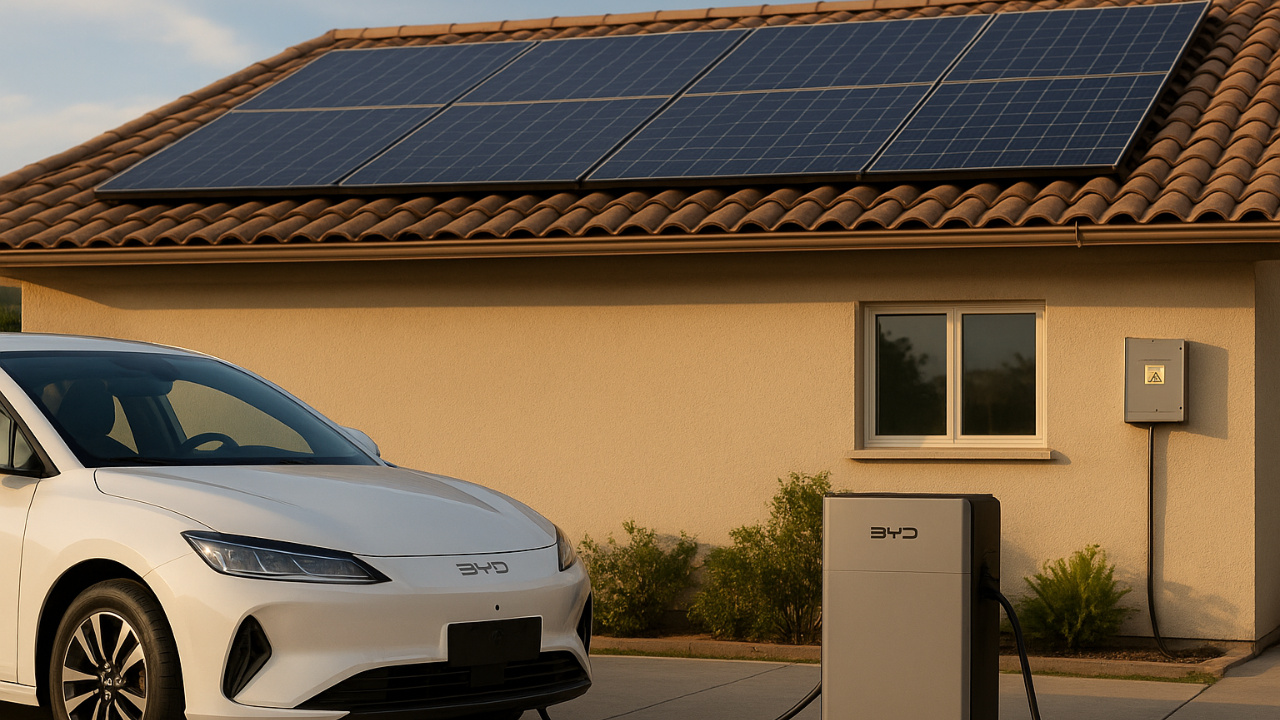

System Created in Piauí Reuses Solar Energy Stored in Electric Car Batteries, Ensures Residential Autonomy and Attracts Interest from BYD.
Solar energy has stopped being just a sustainable alternative and has become a concrete answer to everyday problems.
On the coast of Piauí, an invention created to circumvent frequent power outages quickly evolved and gained national prominence.
The mastermind behind this is businessman Tibúrcio Frota, originally from Parnaíba, who developed a system capable of powering an entire household at night using electric car batteries charged with solar energy.
-
Solar energy reaches 55 GW, becoming the second largest power source in Brazil’s energy mix

-
Solar energy can increase property value by up to 10% and become a selling point.
-
Solar and wind energy surpass natural gas for the first time in the world and accelerate energy revolution

-
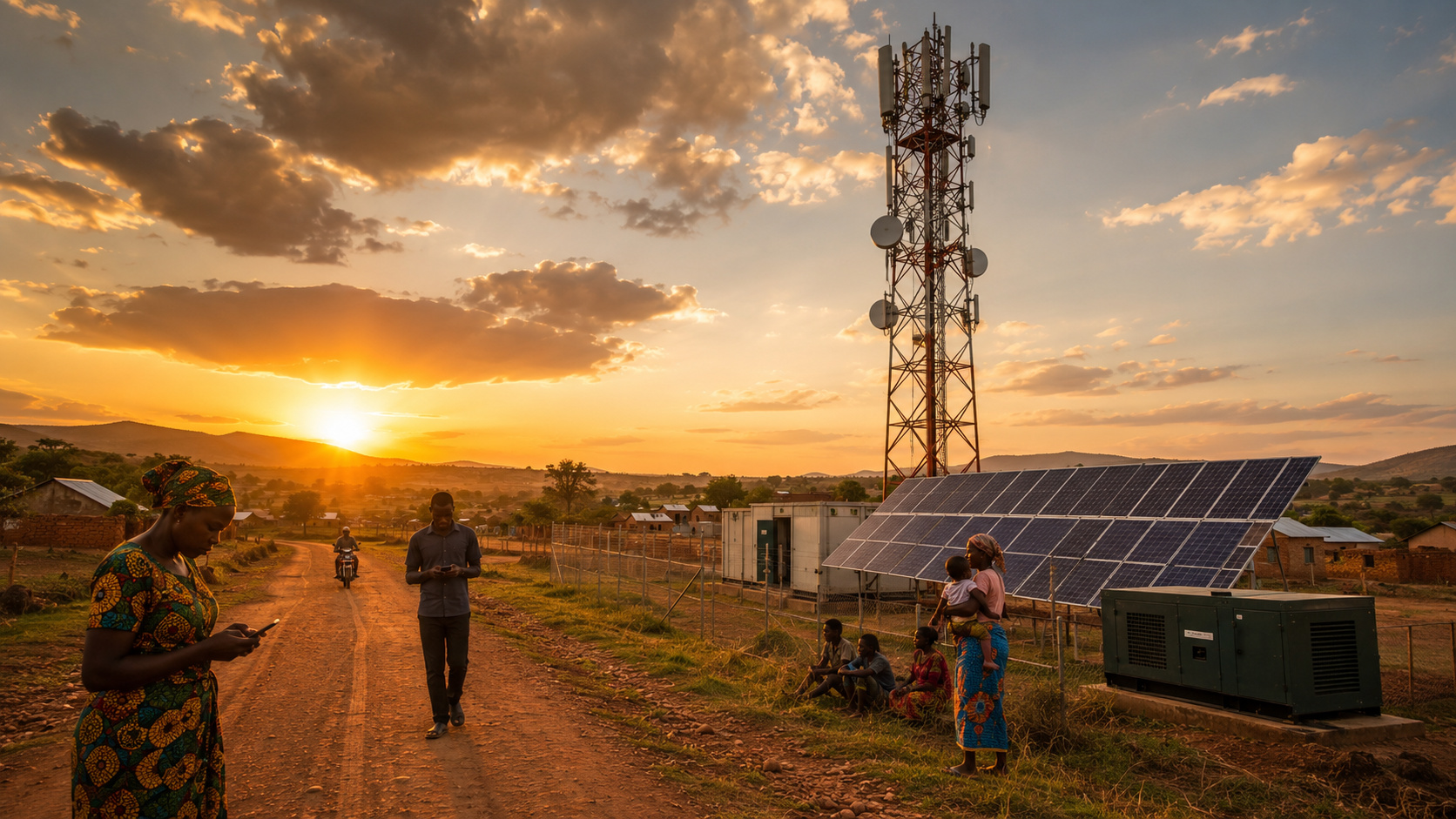
Africa has about 500,000 cell towers and most still burn diesel to operate, while companies rush to cover antennas with solar energy and avoid signal blackouts.

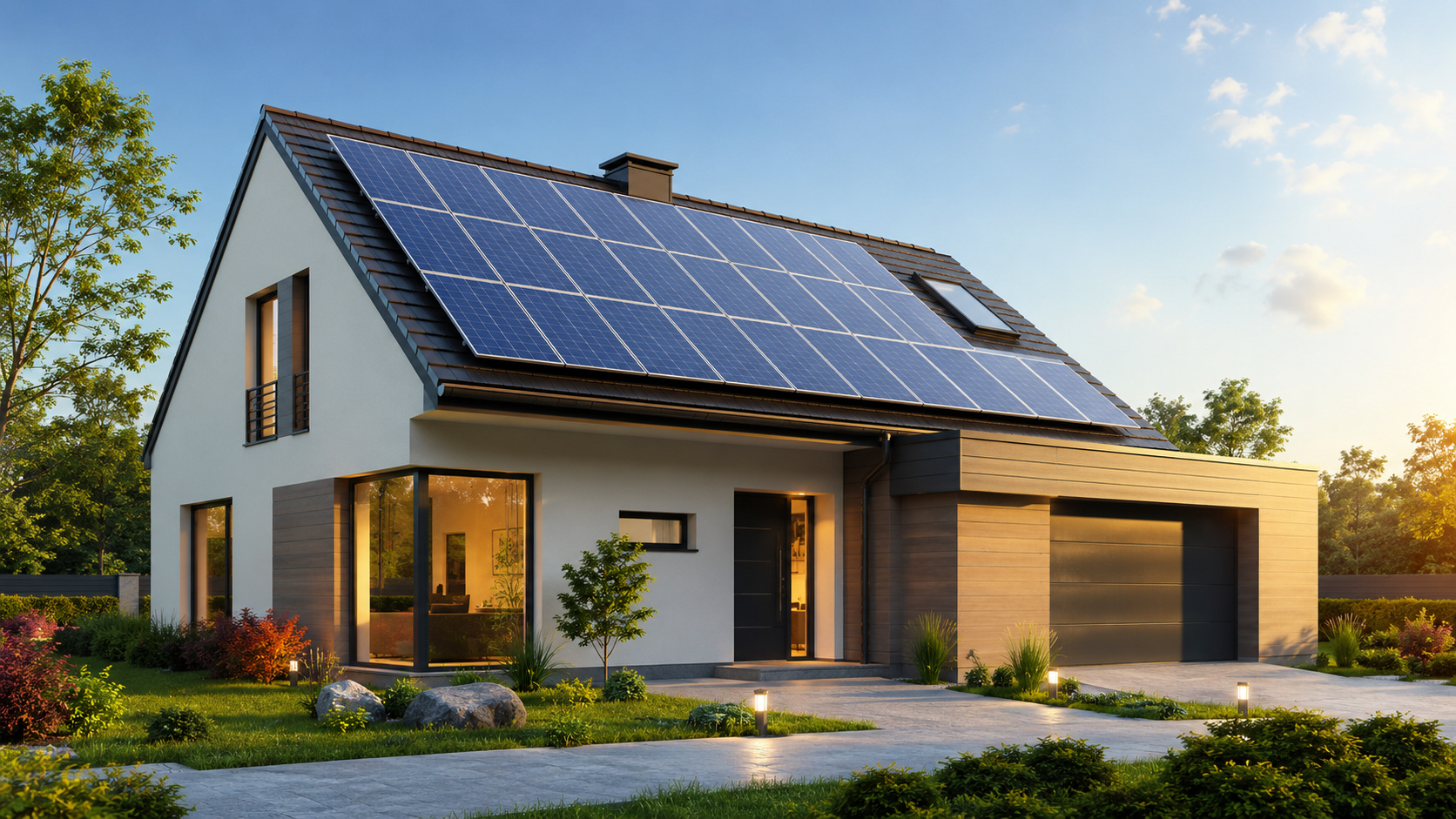

Although the idea arose as a domestic solution, the project surpassed local borders. In little time, it caught the attention of BYD, one of the largest Chinese manufacturers of electric vehicles and technologies aimed at sustainable mobility.
Project Born from Recurring Problem Advances with Solar Technology
The starting point of the invention was practical. In 2023, Tibúrcio was facing difficulties with fluctuations in the supply of electricity in the coastal region. In light of this, he decided to explore new technologies available in the automotive market.
During his research, he identified an innovation launched by the Chinese automaker itself.
In an interview with TV Cidade Verde, he detailed the initial moment of the idea. “I saw online that they were launching a new electric vehicle, which had many advantages and a different technology, with the capacity to release energy through the charging plug. Then I thought about buying this car for my use and trying to solve my energy problem,” he reported.
From that point on, the electric car became more than just a means of transportation. It also became a strategic source of solar energy storage.
Solar Energy Powers Entire House at Night
In the initial model, the system worked in an integrated manner. During the day, solar panels recharged the battery of the electric vehicle.
At night, the process was reversed. The energy stored in the car powered the entire household. Refrigerator, lighting, and even air conditioning remained on without relying on the utility grid.
As months went by, the project scaled up. A year after the initial tests, Tibúrcio expanded the proposal. He began to repurpose batteries from damaged electric cars purchased at auctions, creating a system independent of the vehicle.
This advancement allowed for greater flexibility and brought a new perspective on energy reuse, uniting solar energy, circular economy, and electrical resilience.
Hybrid System Uses Inverter and Module in Patent Process
The operation of the technology involves specific components. The businessman explained that the system features a hybrid solar inverter, capable of operating both connected to the electrical grid and in isolation.
“The system includes a solar inverter, which in this case is hybrid. It can work off-grid, which means without the utility grid, or with it. It consists of the inverter and the battery that we repurpose from a vehicle. We were able to get this system to function due to a module that we are patenting. This module enables communication. The data comes in, it converts, and sends it to another device. It’s like a translator; it translates and makes things happen,” explained the Parnaíba native.
This communication module is the technical differentiator that enables the integration between the automotive battery and the residential system powered by solar energy.
BYD Sees Potential to Expand Existing Technology
The approach with BYD happened because the brand was already developing similar solutions. According to Antenor Cavalcante, manager of Jelta BYD in Parnaíba, the company was working with the Vehicle-to-Load (V2L) system, which allows using energy from the electric car to power devices.
However, the Brazilian project went further. “The V2L is a system that you install in the electric car and has the capacity to power simpler devices. Tibúrcio created this invention, BYD invested in what he did, and transformed the technology into a system where the house remains fully powered for a significant period. To give you an idea, a house with air conditioning, refrigerator, and lights can last through the eight hours of sleep being powered by this technology,” emphasized the manager.
In this way, solar energy begins to sustain entire households, not just isolated devices.
Recognition Transforms Personal Solution into Global Opportunity
For the inventor, the repercussion exceeded any expectations. Initially, the goal was to solve a personal problem. Over time, however, the invention proved commercially viable and socially relevant.
“I had no idea of the proportion this would take. That’s the truth; I created something to solve my problem. I was involved in other things, always a tech enthusiast and everything, but I never imagined we would sell a technology. I feel very happy, and BYD literally understood that this is a wonderful solution that will help many people,” he stated.