Portuguese
  Spanish


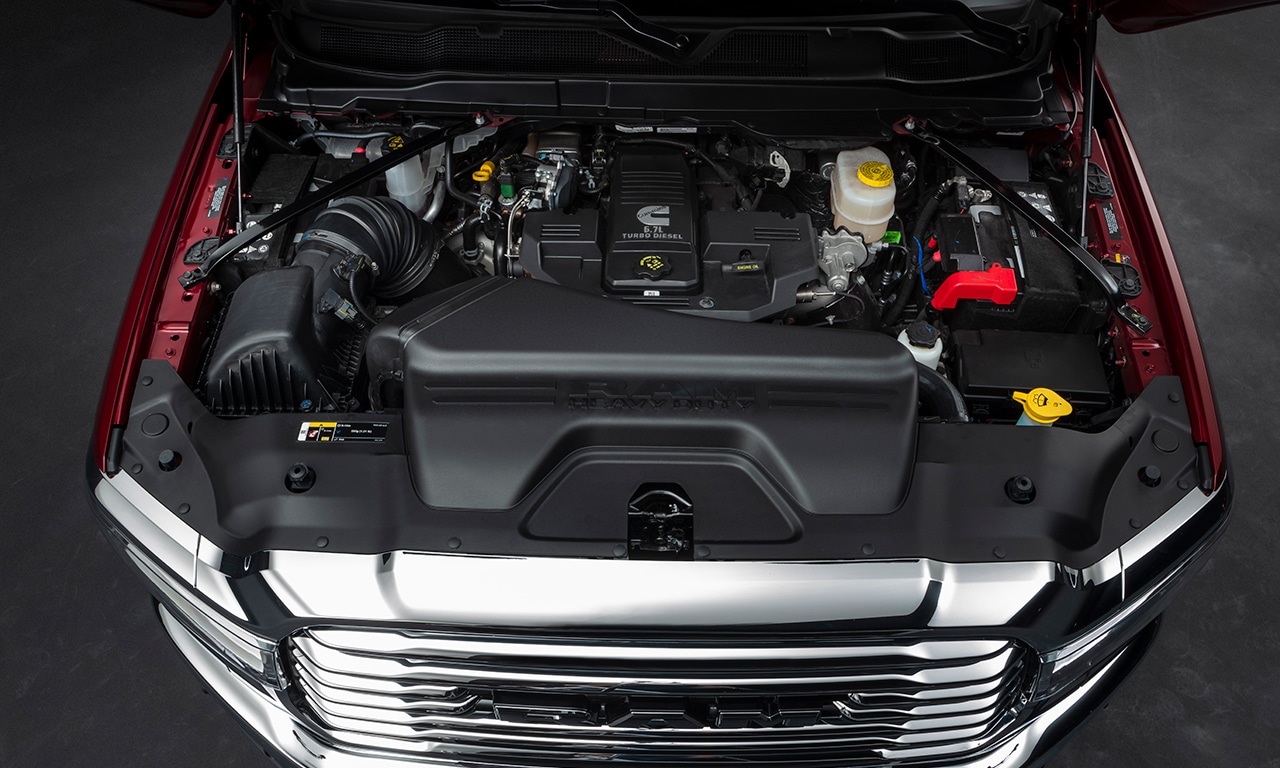

With the Cummins 6.7 engine, over 1,000 Nm of torque and less than 6 km/l in the city, the Ram 2500/3500 surprises Brazilian buyers with its consumption and brute force.
When we talk about large pickups, the Brazilian imagination usually thinks of Hilux, S10, Ranger, and Frontier. But there is a category above them, the so-called Heavy-Duty, which operates on a completely different level of weight, power, torque, and towing capacity.
And within this universe, one of the protagonists is the Ram 2500/3500, equipped with the iconic Cummins 6.7 turbodiesel engine, a block designed to last hundreds of thousands of kilometers and tow tons of cargo. What many buyers discover only later is that this immense force comes at a price at the pump: urban consumption below 6 km/l, even when running empty.
Why Does the Ram 2500/3500 Consume So Much?
The first point is physical: a Ram 2500/3500 weighs between 3,200 and 3,600 kg, depending on the version. This is double that of a traditional medium-sized pickup and three times the weight of a small urban hatchback. Maneuvering this “block of steel” through the city requires more energy and, therefore, more fuel.
-
2027 Toyota Corolla Cross Unveiled: New Design, Enhanced Fuel Efficiency, Reduced Maintenance Costs, Advanced Technology, Connected Services, and Up to 10-Year Warranty

-
Fiat Cronos Precision 2018: Affordable Sedan with Spacious Trunk and Reliable Maintenance
-
Volkswagen to Cut Production by 1 Million Cars by 2030, Reducing Jobs and Platforms, Focusing on More Profitable Models

-
Toyota Launches First 100% Electric Car in Brazil: bZ4X with 343 HP, All-Wheel Drive, 361 km Range, Priced at $419,990 BRL, Limited to 99 Units



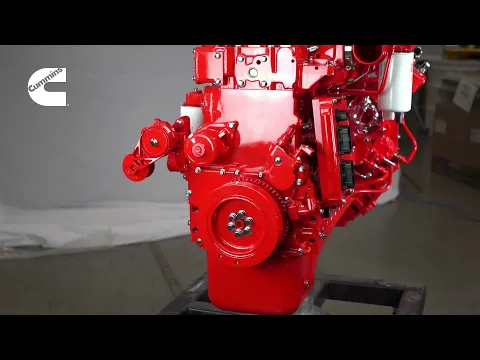
Additionally, the Cummins 6.7 turbodiesel engine prioritizes torque and durability, not fuel efficiency. It delivers over 1,000 Nm of torque, sufficient to tow boats, trailers, and construction equipment; a common scenario in the U.S. but rare in Brazilian urban traffic.

The result is simple: at low speeds and in short urban cycles, fuel consumption drops significantly.
Real Consumption in Brazil: Numbers That Impress
Consumption data measured in the country shows the reality:
- City: ~5.1 km/l
- Highway: ~7.6 km/l
These numbers vary with load, towing, and driving style, but they clearly indicate the profile of the mechanical set: power without a commitment to urban efficiency.
In the U.S., where roads are longer, straighter, and more consistent, the context is different, but even there, urban consumption rarely exceeds 12 mpg (approximately 5 km/l when converted to the Brazilian system).
Urban vs. Highway Behavior
The behavior changes significantly when the Ram leaves the city and hits the road:
- Aerodynamics, although far from efficient, becomes less relevant
- The engine works at lower and more consistent RPMs
- The electronic control reduces turbo pressure at cruising speed
So, highway fuel consumption jumps to something between 7 and 8 km/l, which is impressive for a vehicle over 3 tons, with a huge frontal profile and 275/70R18 tires.
Comparison with More “Common” Vehicles
To provide context, here are some examples:
- Toyota Corolla 2.0: 10–12 km/l city
- Hilux 2.8 diesel: 9–11 km/l city
- Jeep Compass diesel: 10–12 km/l city
- Ram 2500/3500 diesel: ~5 km/l city
In other words, the Ram consumes double the diesel compared to most SUVs and mid-sized trucks sold in Brazil.
This does not mean that the Ram is “inefficient” — it simply means it belongs to a different category, designed for heavy-duty tasks, not to move lightly in urban traffic.
Monster Torque and Clear Purpose
The Cummins 6.7 was not designed with shopping trips in mind. It was created to:
- tow over 7 tons in the U.S.
- run for thousands of hours at idle
- withstand heat, dust, and thermal loads
- work with trailers, fifth wheels, and implements
That’s why the engine has:
- cast iron block
- long stroke
- high thermal efficiency turbocharger
- robust crankshaft
- reinforced automatic transmission
This set prioritizes longevity and continuous torque, not fuel economy.
Technical Specifications: Ram (Brazil)
- Engine: 6.7 Cummins Turbodiesel
- Configuration: 6 cylinders in line
- Torque: over 1,000 Nm (varies by year/version)
- Gross Weight: ~3,200–3,600 kg
- Traction: 4×4 with low range
- Urban Consumption: ~5.1 km/l
- Highway Consumption: ~7.6 km/l
For those who view the Ram 2500/3500 as a passenger car, the consumption seems absurd.
But for those who understand the original purpose of the project — towing, carrying, operating for long hours, the consumption makes perfect sense.
It was not made to save fuel. It was made to work hard.
And that explains why many buyers are surprised to discover that a vehicle of this size drinks more than many SUVs and even more than some old V8s, even with a modern turbodiesel.