Portuguese
  Spanish




New Resolution of the National Monetary Council Defines That Automatic Debits Between Financial Institutions Must Be Made via Automatic Pix, a Resource from the Central Bank That Promises More Security, Transparency, and Control for Clients and Companies.
Starting from October 13, 2025, automatic debits made between different institutions, when the recipient is a company or entity not authorized to operate by the Central Bank, must use Automatic Pix.
The measure was approved by the National Monetary Council (CMN) on September 25 and, according to the BC, enhances the security of authorizations, reduces the risk of undue charges, and stimulates competition in the financial system.
What Changes in Automatic Debits
In practice, new interbank debit contracts made by companies will be established via Automatic Pix.
-
Brazilian Startup Turns Coffee Grounds into Plant-Based Leather, Cutting Water Use by Over 50 Times for High-Impact Sustainable Fashion

-
Eco Invest Auction Aims to Unlock $10 Billion in Investments, Focusing on Green Fertilizers, Critical Minerals, Batteries, and AI for Clean Industry in Brazil

-
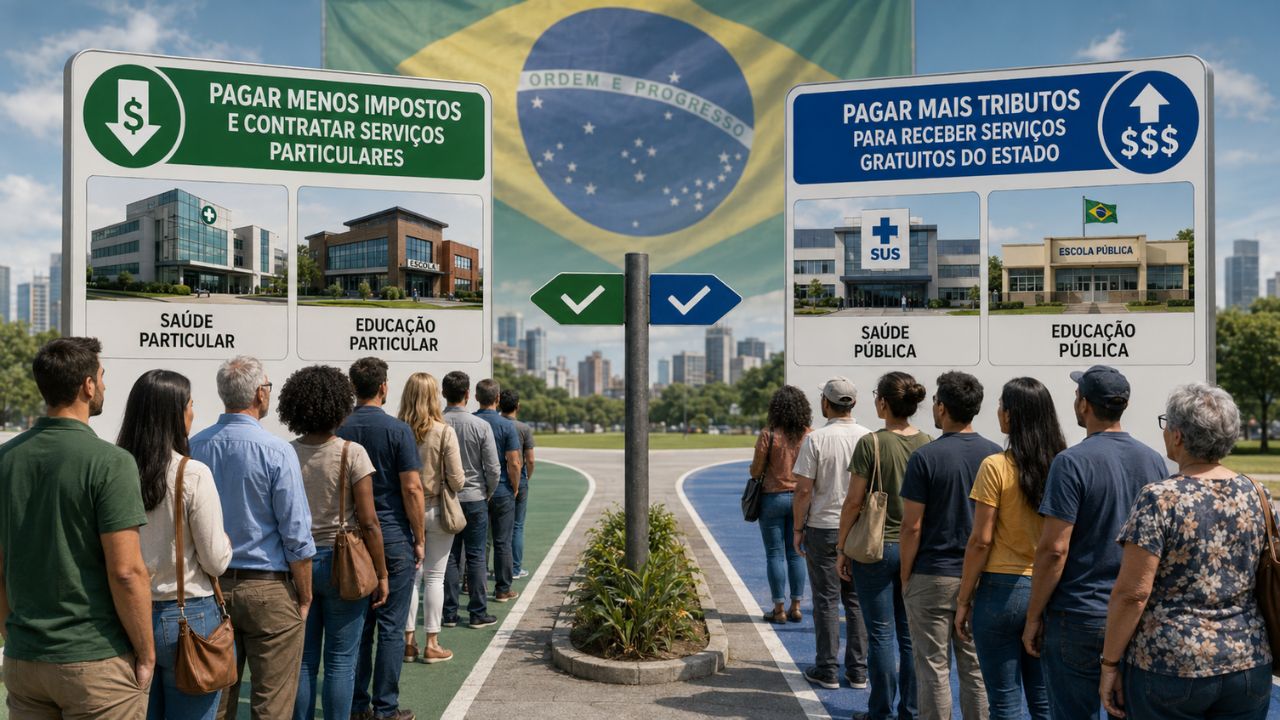
Half of Brazilians Prefer Lower Taxes with Private Health and Education, While 44% Opt for Higher Taxes for State-Provided Services, Datafolha Survey Reveals

-
Brazil’s Most Expensive Toll Rises to R$ 40.60 on Route from São Paulo to the Coast, Nearly Matching Bus Fare to Santos



The payer’s authorization will be granted digitally and standardized in the app of the institution where they hold an account.
This consent stage will become centralized and traceable, which facilitates auditing and contestation in case of failures.
The Central Bank highlights that standardization increases user control over what is authorized to be debited and under what conditions.

How Authorization Will Be in the App
The client receives the authorization request for the recurring charge and validates the data in the app: identification of the payee, frequency, debit date, and maximum amount per installment.
Once authorized, the charge is scheduled, and the user can monitor, adjust limits, and cancel at any time, keeping a history of the authorizations in a dedicated area for Automatic Pix.
The model was detailed by the government and the Central Bank during the launch of the feature, which reinforced the steps of prior notification and automatic execution on the agreed date.
Adaptation Deadlines and Exceptions
Old contracts will remain valid, but institutions have until January 1, 2026 to migrate existing interbank debit authorizations to Automatic Pix.
There is an exception: the obligation does not apply when the payer’s institution is also the beneficiary of the payment, that is, in charges within the same bank.
Relationship with Open Finance and Competition
In addition to integrating with the infrastructure of Open Finance, the change is expected to increase competition.
Companies will be able to offer recurring charges supported by payment initiators and multiple institutions without relying on proprietary automatic debit arrangements.
The Central Bank assesses that the measure has the potential to increase competition, reduce delinquency, raise operational efficiency, and lower collection costs in the National Financial System.
Launch of Automatic Pix and Features
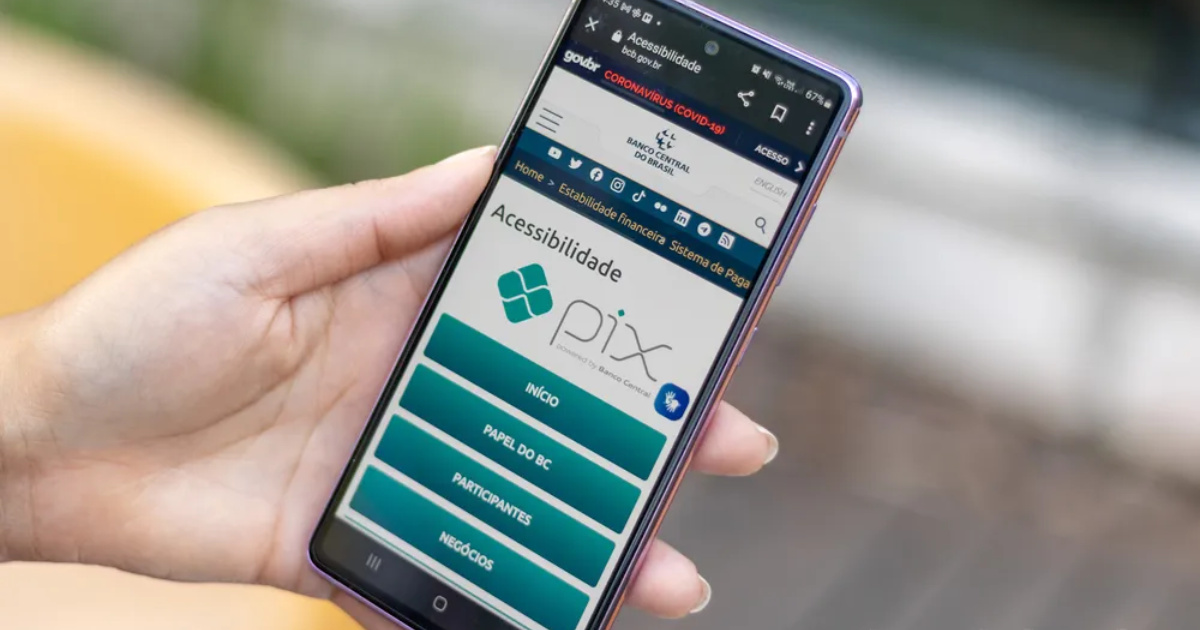
Automatic Pix was made available to the public on June 16, 2025, focusing on recurring payments such as electricity, water, telephony, school fees, and subscriptions.
From the beginning, the design provided for no fees for payers, the possibility of setting specific limits, and a reimbursement flow via Special Mechanism for Return (MED) when there is an error in the authorization management.
The Central Bank also advised that reputable companies with active CNPJ offer the service, reinforcing the recipient’s eligibility criteria.
Security and Reduction of Undue Charges
With authorization concentrated in the payer’s bank app and clear parameters — such as maximum amount per charge — cases of non-compliant debits are expected to be blocked at the scheduling stage.
In the event of operational inconsistencies, the refund to the client follows the rules of the MED.
According to the BC, these layers of protection, combined with standardization, reduce failures and the need for subsequent disputes between institutions and users.
Impact on Companies and Consumers
For companies, adopting Automatic Pix allows for expanding the customer base, diversifying payment methods beyond card and boleto, and reducing collection costs, with faster reconciliation and less operational friction.
For consumers, the expected effect is convenience with more governance over authorizations, notifications prior to the debit date, and immediate cancellation without dependence on the recipient’s channels.
These points were emphasized by the Central Bank when announcing the feature and reiterated in communication about the CMN’s decision.
Scope of Mandatory Implementation and Practical Examples
The new rule applies when the payee is a legal person or an entity not authorized by the BC, in interbank debit operations.
In practice, this includes charges from public utility companies, schools, telecommunications operators, insurance companies, and subscription services that debit accounts in banks different from those where they maintain a primary relationship.
On the other hand, if the issuing company of the charge belongs to the same financial conglomerate as the payer and the transaction occurs within the same institution, the requirement for Automatic Pix does not apply.
What Do BC and CMN Say
In a public note about the decision from September 25, the authorities reiterated that the goal is to make authorizations more secure and transparent, with systemic gains in efficiency.
The Central Bank summarized the purpose by stating that Automatic Pix “has the potential to increase competition, reduce delinquency, enhance the efficiency of operational processes, and lower the costs of collection procedures,” benefits that should reach clients of the National Financial System.