






 Portuguese
  Spanish
  6 min of reading
  0 comments


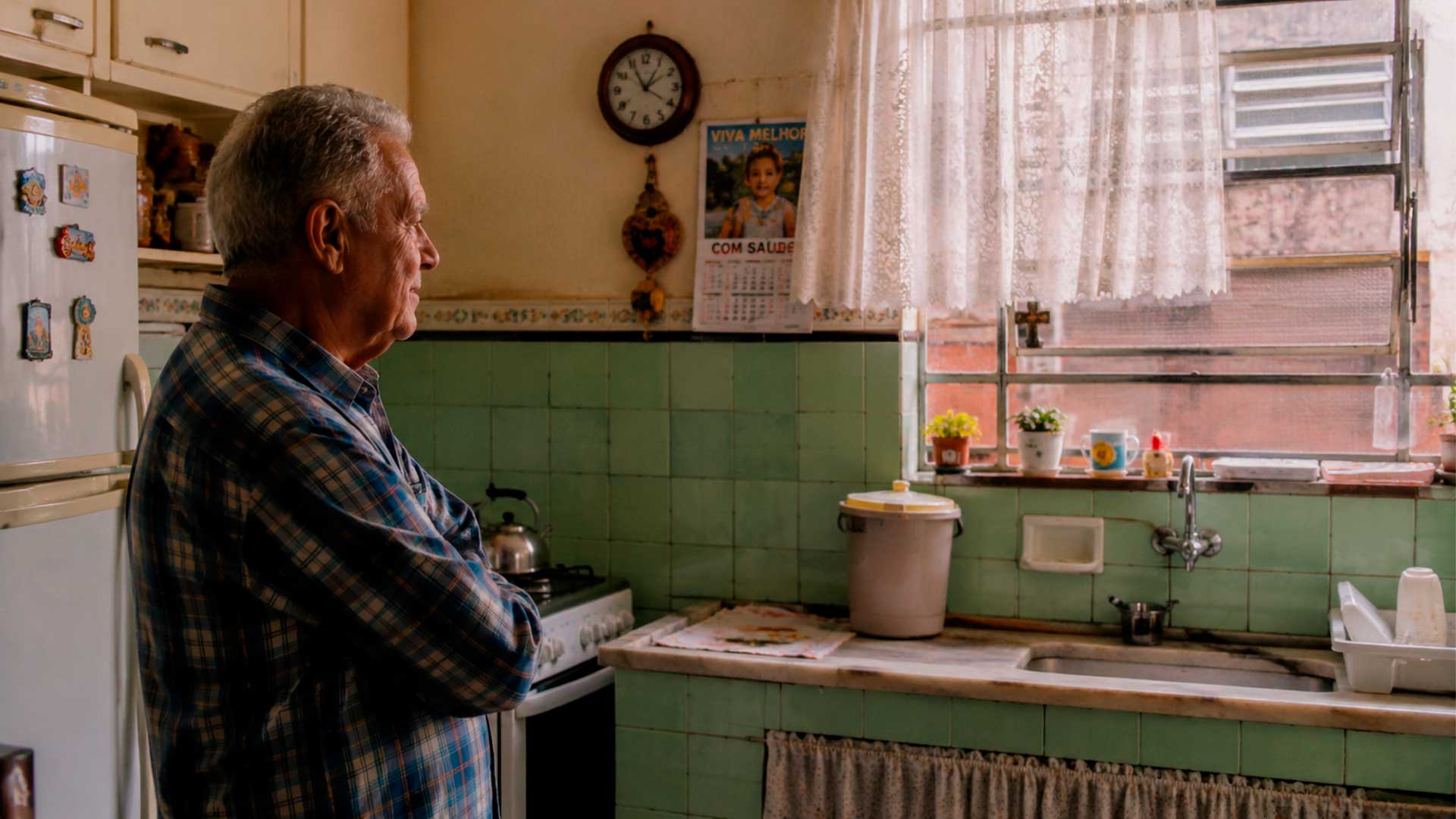
Renovation preserves grandfather’s old kitchen and shows how affective architecture can unite safety, family memory, and modern use
A kitchen from the 60s, marked by time and the memories of a lifetime, became the center of a transformation made by a young architect for his own grandfather. The project drew attention for avoiding the logic of erasing everything old and betting on a renovation that modernizes the space without destroying its identity.
The renovation was reported by Versa/IOL in an article by Rafaela Simões and features architect Pablo Riaño, also known for his work as a digital influencer. In the project shared on TikTok, he implemented a transformation in his grandfather’s 60s kitchen, who turned 85 and lives in Portugal. According to the architect himself, he had never made major changes to the environment to adapt it to current needs.
The case gained prominence precisely because it touches on a common question in many families: is it worth renovating an old house while preserving marks of the past, or is it better to replace everything with a new look? In practice, the choice depends on the condition of the property, the safety of the residents, and the sentimental value of the preserved elements.
-
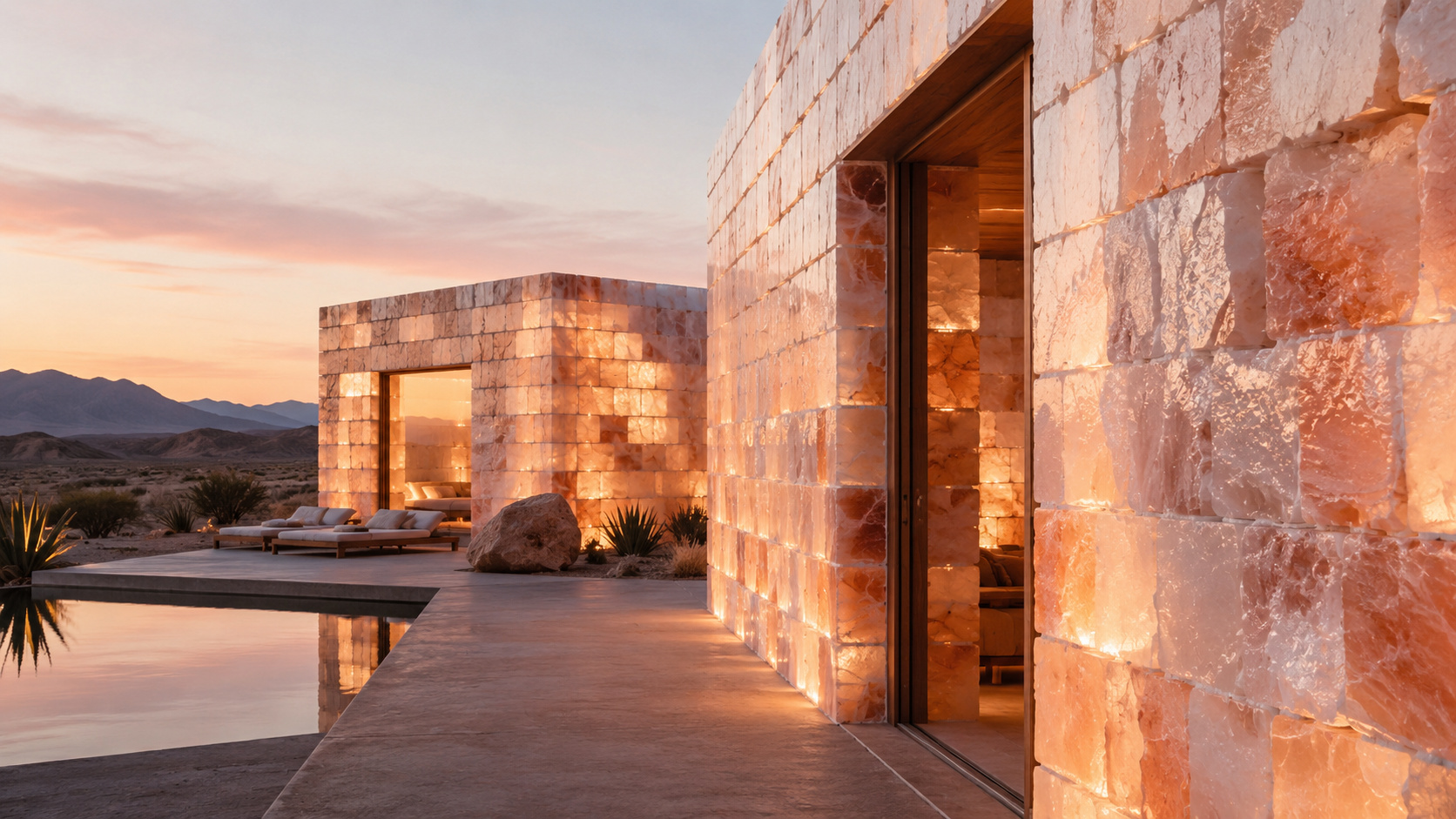
Blocks made of salt challenge traditional construction, emerging from salt flats and salt pans like translucent stone, shining in hotels and pavilions in the desert, and transforming a material that melts in humidity into an extreme symbol of an impossible mineral architecture.

-
How much does it cost to build a well in 2026? See the average drilling values, regularization costs, and the most common extra expenses that may arise throughout the project.

-
Woman loses house in devastating fire and now sees 35 people rebuilding her home with over 350 tires, bottles, and cans in a sustainable project designed to withstand fire.
-
With 100 discarded pallets and simple tools, the project creates a 23 m² shelter, recycles wood used in the transport of humanitarian aid, and transforms temporary housing for refugees.



60s kitchen ceased to be just an aesthetic problem
@riaestudio Renovation of my grandfather’s kitchen. What do you think?
♬ original sound – Pablo | 3D Renovations
In many old houses, the kitchen is often the first area labeled as “dated.” Cabinets, coverings, countertops, and appliances from other decades may seem far from current trends, but they also hold an important part of family history.
In Pablo Riaño’s case, the starting point was not just to replace old materials with modern finishes. The proposal was to view the kitchen as a space for living, routine, and memory, where the grandfather accumulated stories over decades.
This type of renovation requires more care than a simple visual renewal. It is necessary to identify what needs to be updated for safety and functionality and what can remain as an affective reference. The difference lies in renovating without losing character.
Instead of transforming the kitchen into an impersonal setting, the project preserved the connection with the past. The result shows that an old house can gain new life without losing what makes it unique for the family.
Affective architecture gains strength in renovations of old houses
The transformation of the grandfather’s kitchen also aligns with a trend increasingly discussed in residential architecture: the appreciation of the memory of spaces. Instead of merely following decoration trends, many projects have started to consider the residents’ history, the real use of the house, and objects that carry meaning.
In practice, this may include maintaining floors, tiles, furniture, handles, crockery, or colors that were part of the family’s routine. When well executed, this choice creates a balance between current comfort and original identity.
According to the American Institute of Architects, the reuse of existing buildings and structures is a relevant strategy to reduce waste and make renovation decisions with less impact. Although the case of the kitchen is domestic and familiar, it aligns with the same logic: making use of what still has value, instead of automatically discarding everything that is old.
This care also avoids a common mistake in renovations: completely erasing the personality of the house. Often, in trying to make the property “modern,” the project ends up removing precisely the elements that gave authenticity to the environment.
Renovation for the elderly needs to go beyond beauty
The fact that the kitchen belongs to Pablo Riaño’s grandfather, who is 85 years old, makes the project even more sensitive. In homes inhabited by the elderly, aesthetics need to go hand in hand with safety, circulation, lighting, and ease of use in daily life.
The AARP, a U.S. organization focused on the population over 50, recommends that kitchen renovations consider solutions such as countertops at varying heights, better access to cabinets, and adaptations that help people with different levels of mobility. These measures reduce obstacles and make the routine more comfortable.
In an old kitchen, aspects like slippery floors, poor lighting, overly high furniture, and tight circulation can pose difficulties. Therefore, a good renovation is not limited to changing coverings; it needs to evaluate how the resident uses the space.
In the grandfather’s case, the strength of the project lies in uniting two needs that sometimes seem opposed: maintaining memories and improving functionality. The house still feels like his home, but it now better meets current needs.
Aging population makes this type of renovation more relevant
The story also draws attention in a broader context. In Portugal, the country linked to the original report, the aging population is an important factor in considering housing, accessibility, and the permanence of the elderly in their homes.
According to data from the National Institute of Statistics of Portugal, in 2024 the population aged 65 or older represented 24.3% of the country’s residents. This scenario increases the importance of home renovations that allow aging with more safety, autonomy, and connection to the place where the person built their life.
For many families, the parents’ or grandparents’ house is not just a property. It is the place of lunches, gatherings, recipes, conversations, and memories that span generations. Therefore, a poorly planned renovation can cause emotional discomfort, even when it improves the appearance of the environment.
The kitchen, in this sense, often plays a special role. It is one of the most used places in the house and, in many family cultures, serves as a meeting point. Altering it requires sensitivity to avoid transforming an emotional space into something cold and disconnected from the resident.
Before and After Draws Attention for Preserving Identity
The public’s interest in the case is not just in the visual result. What draws attention is the decision to preserve memories at a time when many renovation projects follow very similar patterns on social media.
White, minimalist kitchens with identical finishes have become common in before and after videos. The young architect’s project takes a different path by showing that a renovation can be beautiful without erasing the marks of a family history.
This choice also opens up an important discussion about what truly makes a well-renovated house. The best result is not always the most expensive, the most modern, or the most similar to catalog images. Often, the most successful project is the one that understands who lives there.
In the case of the grandfather’s kitchen, the renovation stands out for respecting time. It does not try to hide that the space came from the 60s, but reorganizes this heritage so that it continues to be used with dignity and comfort.
Project Shows That Renovating Does Not Have to Mean Erasing the Past
The main lesson of the transformation is simple: renovating does not have to be synonymous with erasing. An old house can receive technical improvements, gain more comfort, and still maintain elements capable of telling its story.
For families considering renovating old properties, the case serves as inspiration but also as a warning. Before demolishing, replacing, or covering everything, it is worth observing which parts of the environment have emotional value, which pose a risk, and which can be adapted.
The ideal is for the renovation to start with an honest diagnosis. Electrical and plumbing installations, lighting, ventilation, floor safety, and ergonomics should be evaluated as a priority. After that, aesthetic and emotional choices come into play.
The grandfather’s kitchen shows that architecture can be more than a change of appearance. When well thought out, it helps preserve bonds, improves the routine, and keeps alive the memory of those who made that space a home.







Be the first to react!