






 Portuguese
  Spanish



Incentives and operational costs weigh in the analysis
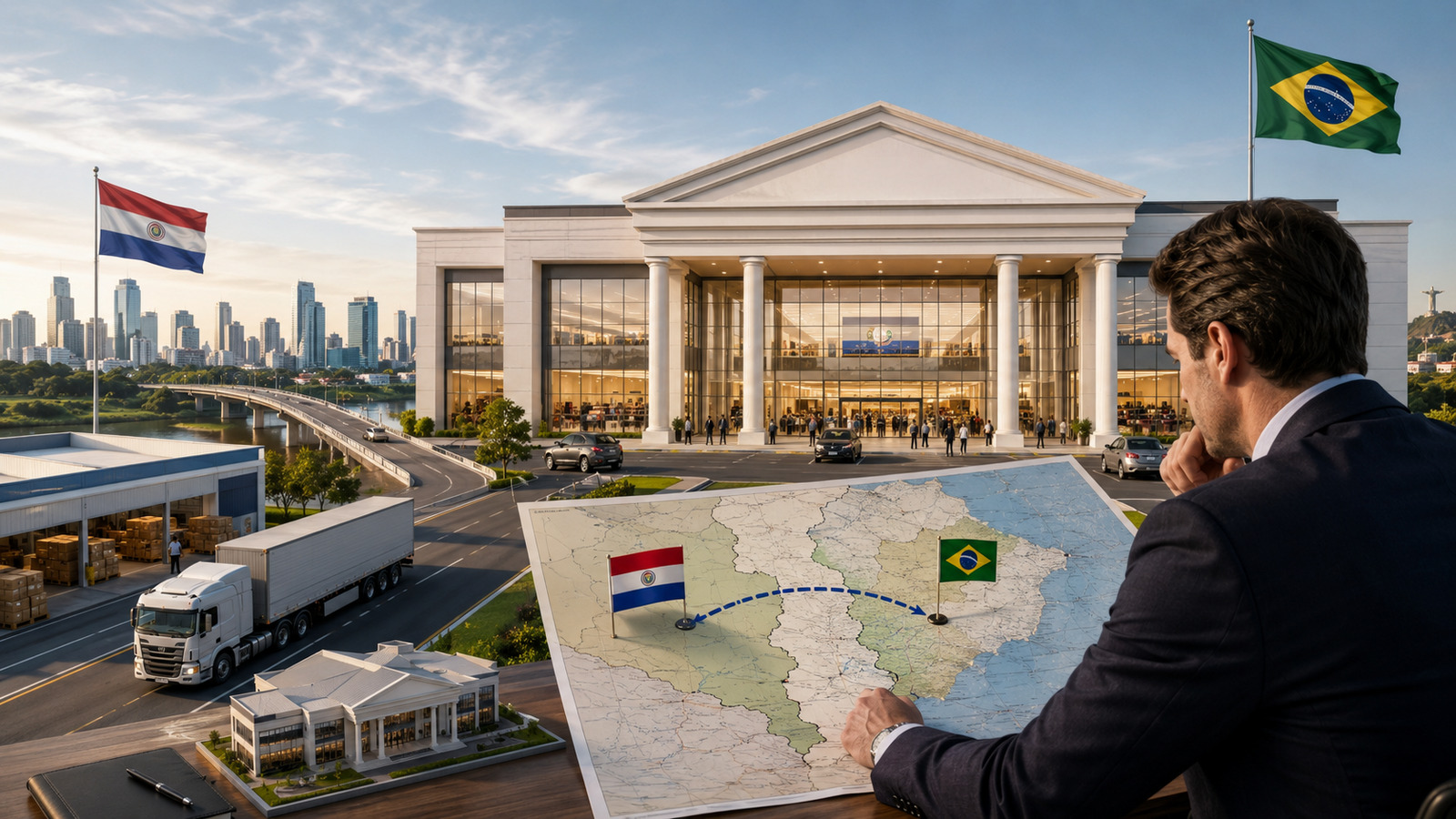
The businessman highlighted that the tax incentives and lower operational costs in Paraguay and Uruguay are attractive factors for the expansion. He mentioned that the business environment in these countries is more favorable compared to Brazil.
“We are analyzing the possibilities and advantages of expanding to these countries. The lower tax burden and reduced bureaucracy are significant incentives for us to consider this move,” he stated.
Luciano Hang emphasized that any decision regarding international expansion will be carefully evaluated, considering the potential benefits and challenges involved.
-
Brazilian Startup Turns Coffee Grounds into Plant-Based Leather, Cutting Water Use by Over 50 Times for High-Impact Sustainable Fashion

-
Eco Invest Auction Aims to Unlock $10 Billion in Investments, Focusing on Green Fertilizers, Critical Minerals, Batteries, and AI for Clean Industry in Brazil

-
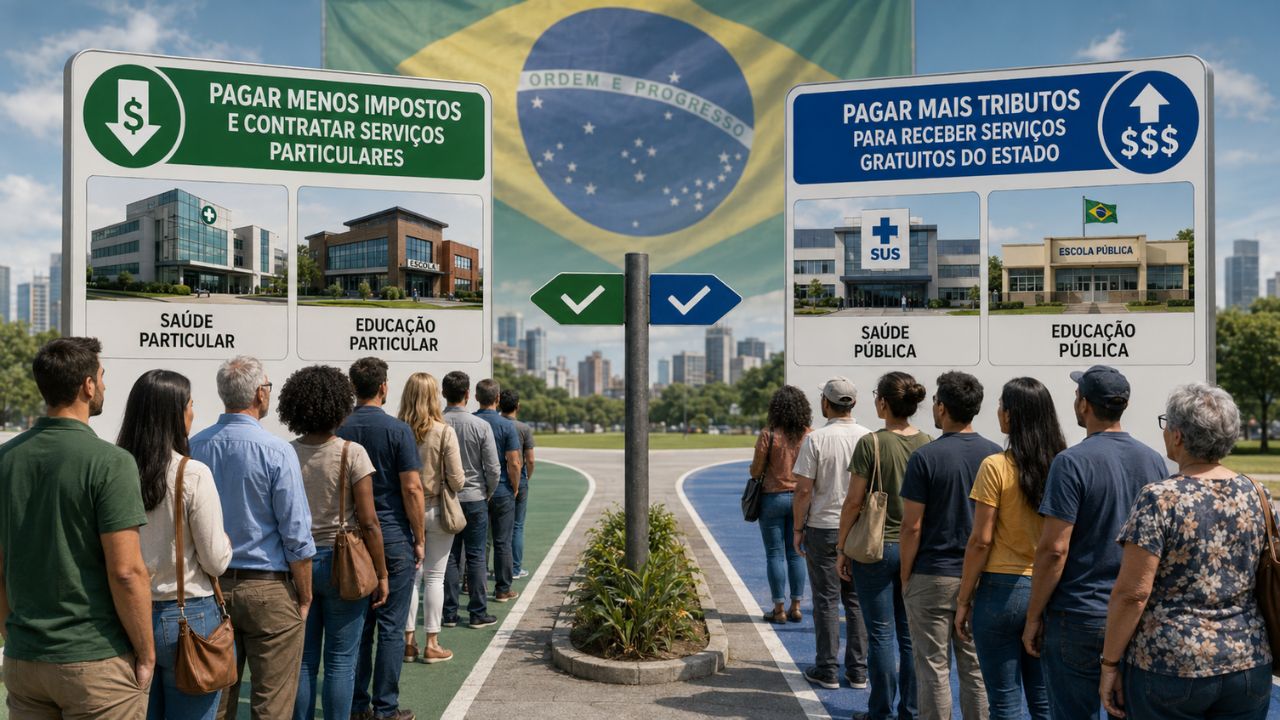
Half of Brazilians Prefer Lower Taxes with Private Health and Education, While 44% Opt for Higher Taxes for State-Provided Services, Datafolha Survey Reveals

-
Brazil’s Most Expensive Toll Rises to R$ 40.60 on Route from São Paulo to the Coast, Nearly Matching Bus Fare to Santos



Incentives and operational costs weigh in the analysis
The possible visit to Paraguay occurs amid the interest of Brazilian companies in the neighboring country. The so-called Maquila Law offers tax incentives and reduced operational costs for exporting industries.
In recent years, companies in the textile and apparel sectors have increased investments in Paraguayan territory. For Hang, a potential international expansion will depend on studies on economic and tax viability.
Brazil remains the network’s priority
Despite the new analysis, Hang stated that Havan’s main focus continues to be the Brazilian market. Currently, the network has more than 180 stores in the country and still sees room for growth.
“Brazil is a continent. I am sure that 300 or 400 Havan stores can fit here,” he said.
The businessman also stated that logistics would not be an obstacle, as the company already supplies units located thousands of kilometers from the distribution center in Santa Catarina.
Hang said he had requested preliminary studies on the possibility of international expansion and acknowledged that the idea represents a change from the position adopted throughout his business career.
“It’s something I had never thought of doing. But the word never is a word we cannot say,” he concluded.
This article was prepared based on information from the newspaper O Município and the material provided about Luciano Hang’s interview, with data, numbers, and statements preserved as per the consulted material.








