Portuguese
  Spanish



The Conversion to the Mercosur Plate May Seem Complex, but the Formula Is Simple and Practical! Discover How to Streamline the Transition and Stay Updated on Brazilian Traffic.
Have you noticed the new plates that are dominating Brazilian traffic? Since 2018, the Mercosur plate has become mandatory in some situations, and with that, many drivers still have questions about how to convert the old model to the new one. We will show you that this process, although it may seem confusing at first glance, is much simpler than you think! Let’s go?
How Does the Mercosur Plate Work and Why the Change?
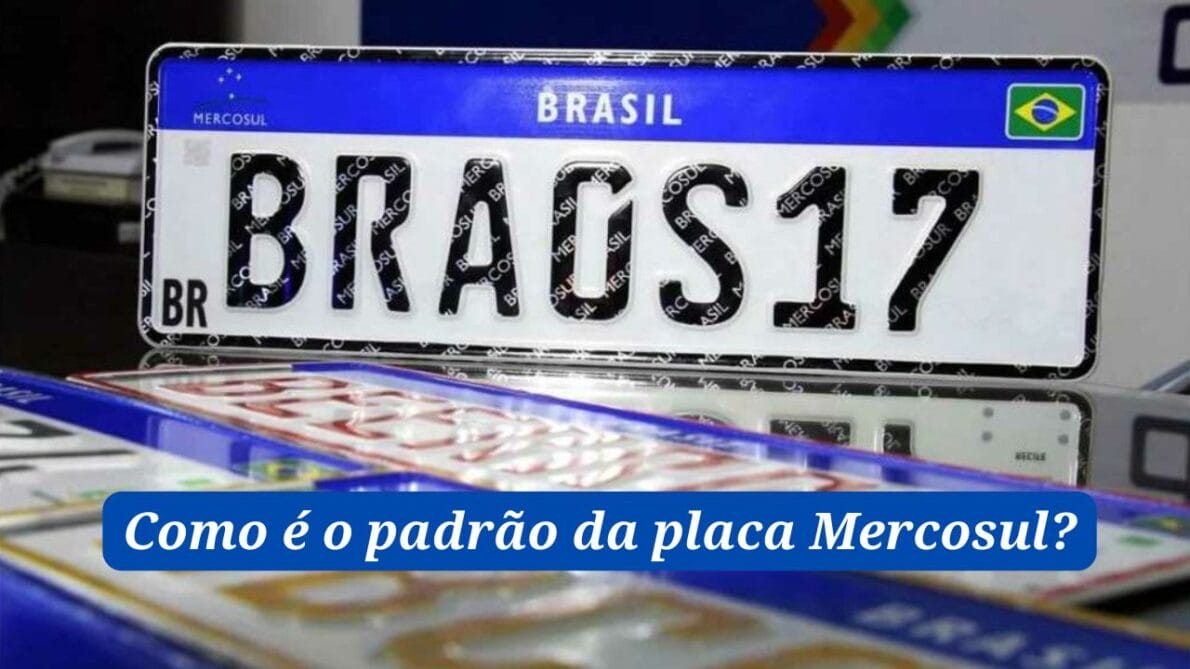
The Mercosur plates were implemented in Brazil with the aim of standardizing the vehicle identification system, not just here, but also in other countries that are part of Mercosur, such as Argentina, Paraguay, and Uruguay. This change was motivated by the need to increase the number of possible plate combinations and facilitate enforcement and traffic management among the countries in the Southern Cone.
Previously, the format of plates in Brazilian traffic was “LLLNNNN”, that is, three letters and four numbers. Now, with the Mercosur plate, the standard has changed to “LLLNLNN” – three letters, one number, one letter, and two numbers. This has increased the capacity for combinations, going from 175 million to 450 million possibilities! Seems like a lot, right? But this math is essential to support the growing fleet of vehicles in Brazil and neighboring countries.
-
Chinese E-commerce Giant Predicts Robots Will Replace 700,000 Delivery Workers as Autonomous Vehicles Expand to 200 Cities, Offering Training for Workers to Maintain Their Machines

-
Trump warns Europe with 100% tariff threat on digital tax, potentially impacting wine and trade agreements

-
As Homeownership Becomes Unattainable in Brazil, Japanese Municipalities Offer Abandoned Houses for as Low as $3,000 to Revitalize Aging, Emptying Cities
-
Job Market in 2026 Welcomes High School Graduates: Logistics, Retail, and Construction Hire Without College Degrees; Quick Courses in Forklifting, Building Electricity, and Welding Boost Salary Prospects


How to Convert the Old Plate?
If you have a car with an old model plate and need to convert it to the Mercosur plate, the process follows a very simple formula. In practice, the second number of your old plate will be replaced by a specific letter, according to the conversion table below:
| 2nd Digit of the Old Plate | 4th Letter of the Mercosur Plate |
|---|---|
| 0 | A |
| 1 | B |
| 2 | C |
| 3 | D |
| 4 | E |
| 5 | F |
| 6 | G |
| 7 | H |
| 8 | I |
| 9 | J |
For example, if the second number of your plate is “2”, it will be replaced by the letter “C”. Easy, right?
In What Situations Is the Change to the Mercosur Plate Mandatory?
Now, many people wonder: “Am I required to change my old plate for the Mercosur one?” The answer is: it depends. The change is mandatory only in specific cases, such as:
- Registration of a used vehicle by a new owner;
- Change of municipality in the vehicle registration;
- Change in the vehicle’s category;
- Theft, loss, or robbery of the plate;
- Damage to the plate, including breaking the seal;
- Installation of an additional rear plate;
- When the vehicle fails an inspection with remarks about the plate or seal.
In other words, if your vehicle fits one of these situations, changing to the Mercosur plate is mandatory. But be careful! If not, you may choose to keep the old plate. However, you can voluntarily make the change if you wish to adopt the new standard.
Benefits of the Mercosur Plate in Brazilian Traffic
In addition to expanding the combinations of plates, the Mercosur plate brought a range of benefits for Brazilian traffic, such as visual standardization and greater ease in enforcement, both within the national territory and during international travel in Mercosur countries. This means more safety and convenience for drivers, not to mention the modernization of the vehicle identification system.
And now, what do you think of this change? Will you change your old plate for the new Mercosur Plate or will you wait to be required?