






 Portuguese
  Spanish


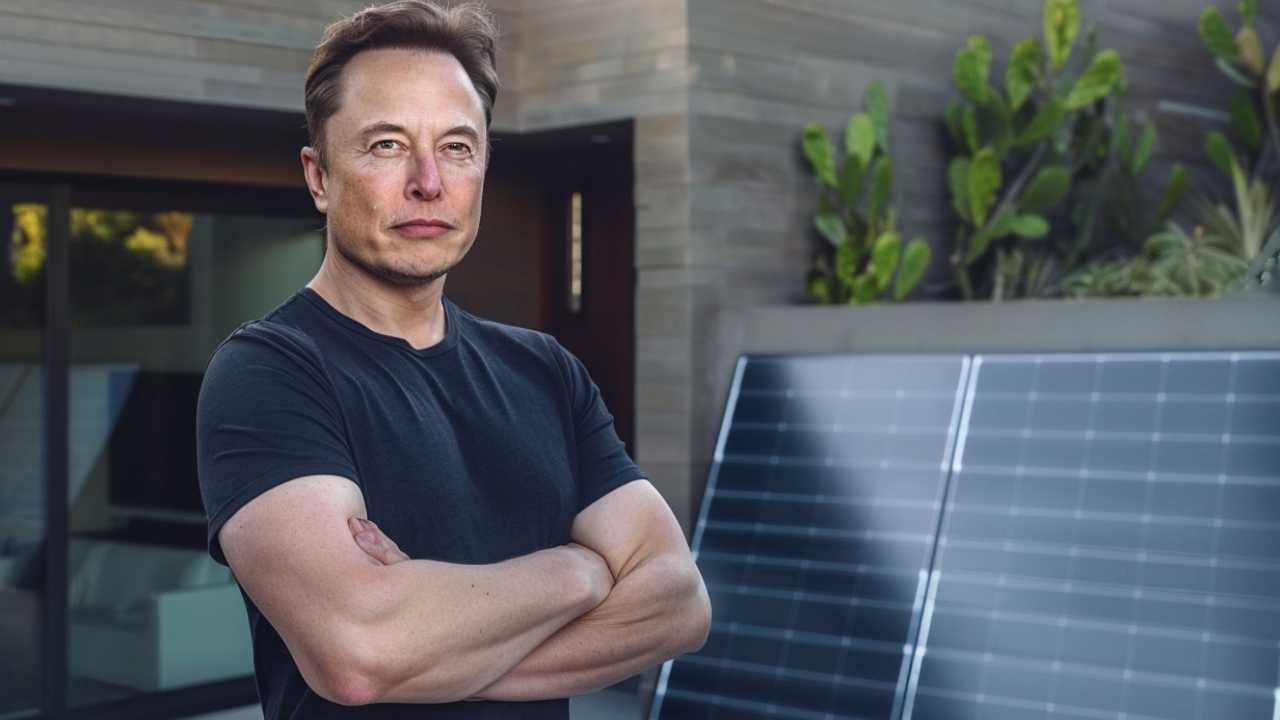

Elon Musk and Tesla Are Innovating with Solar Panel 3.0, Using Halide Perovskite to Create Ultra-Lightweight and Flexible Solar Panels with 30% to 45% Efficiency, Promising Reduced Costs and Superior Performance Even in Shaded Conditions.
In the relentless pursuit of more effective and sustainable energy solutions, Elon Musk, through Tesla, plans to introduce the revolutionary “Solar Panel 3.0” to the market. This new technology, based on halide perovskite, promises to change the paradigm of solar panels, offering unprecedented efficiency and significantly reduced production costs. With a design that allows excellent performance even on cloudy days, this innovation could very well be the next major step for solar energy.
Perovskite is a term used to describe a class of materials that have the same crystal structure as the mineral called perovskite, originally composed of calcium, titanium, and oxygen (CaTiO3). These materials are known for their versatility and remarkable properties, which include superconductivity, magnetoresistance, and—very significantly for solar technology—a high efficiency in converting light into electricity.
In the context of the solar panel, the mentioned perovskite refers to halide perovskite compounds, which are synthetic materials that can be used to create solar cells with various advantages over traditional silicon cells. These advantages include a higher efficiency in converting light into energy, the ability to perform better in low-light conditions, and a potentially lower cost due to less complex manufacturing processes that require less energy. These characteristics make perovskite solar cells a area of intense research and development in the field of photovoltaic energy.
-
Brazil saved US$ 32.4 billion in 2025 by switching from fossil to renewable energy and only ranked behind China and the United States on the IRENA global podium.

-
Fired during apartheid and with a little borrowed money, an electrician started with a borrowed truck and transformed electrical services into a group connected to energy, real estate, and infrastructure in South Africa.

-
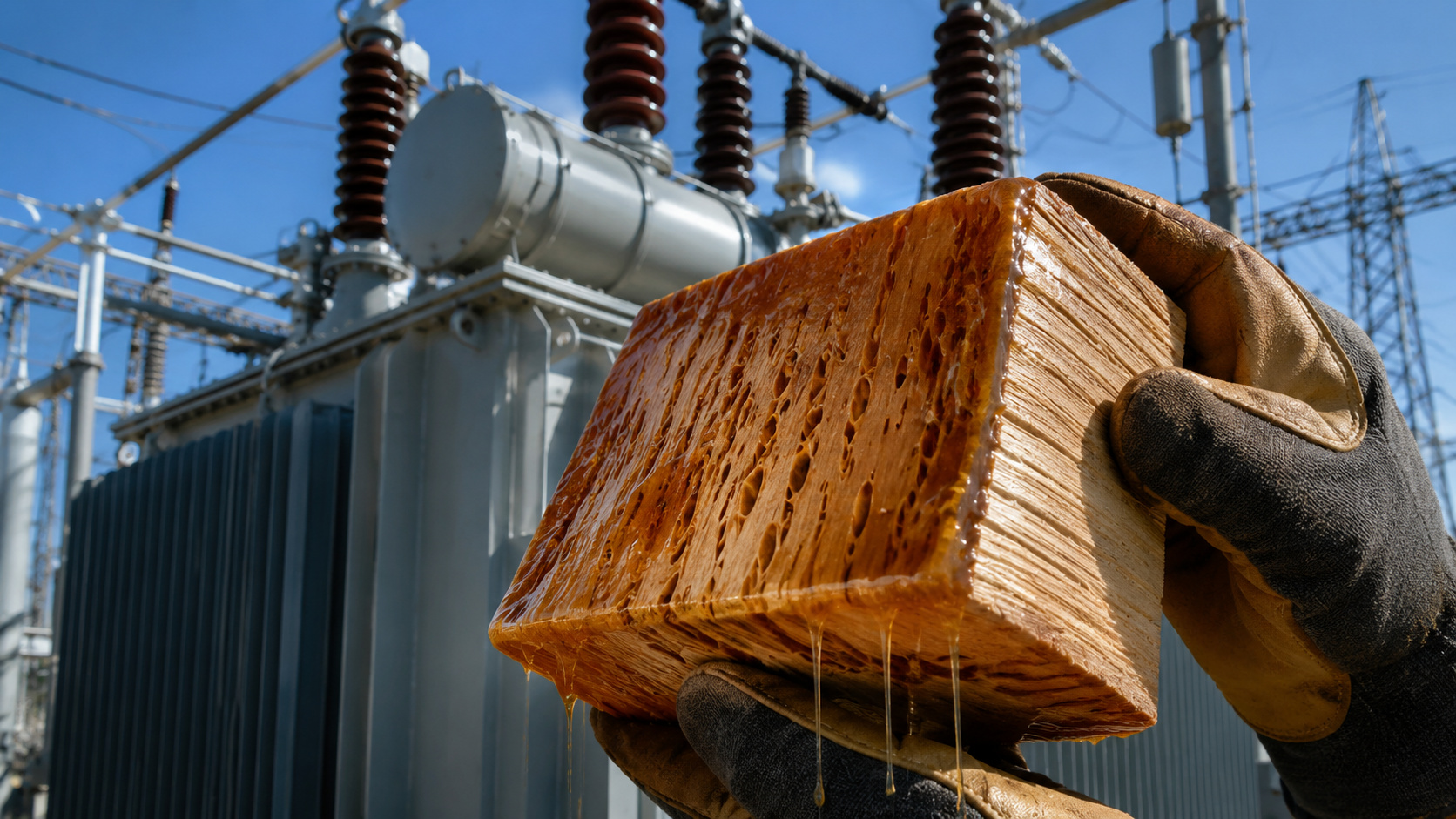
Wood has ceased to be just a construction material in Yale research and has become insulation for electrical transformers that face intense heat, aging, and increasing pressure from the renewable energy-powered grid.
-
More than 1,000 residents of a remote island in Kiribati now have clean water and electricity with solar systems operated by the community itself.



Details of Elon Musk’s Solar Panel 3.0
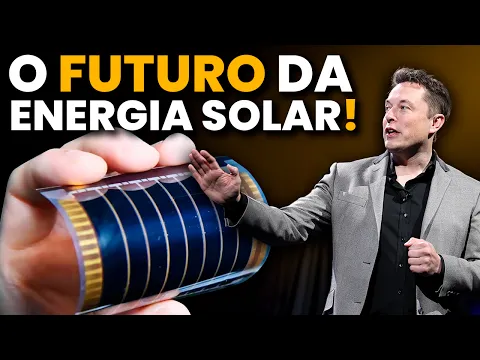

Elon Musk and his team at Tesla are not just changing the materials used in solar panels; they are reinventing the very manufacturing of these units. Replacing traditional silicon, the “Solar Panel 3.0” utilizes halide perovskite applied through technology similar to inkjet printers. This method allows for the deposition of the material on extremely thin substrates, with an average thickness of only 15 micrometers.
The innovation does not stop there. The solar cells are subsequently integrated into a special, highly durable, and flexible fabric, keeping the final assembly lightweight and durable. The application of a thin layer of UV glue ensures the fixation and integrity of the cells in the fabric, creating solar panels that are not only effective but also adaptable to various shapes and sizes.
Potential Impact on the Solar Energy Market
Thanks to their innovative composition, Tesla’s panels achieve an impressive efficiency of 30% to 45%. And of course, they can offer 100 times more performance per kilogram compared to traditional silicon panels. Such efficacy makes the “Solar Panel 3.0” ideal for installations in limited spaces, like small rooftops, building facades, and even in vehicles and drones.
The introduction of this technology not only promises to halve manufacturing costs compared to traditional panels but also represents a significant advance in minimizing the environmental impact associated with solar energy production.
More Details Still Under Wraps
While Elon Musk keeps additional details under wraps, the potential impact of this innovation on the global solar energy market is undeniable. With the promise of greater accessibility and efficiency, Tesla’s Solar Panel 3.0 is poised to lead a new era in photovoltaic energy. There are still no updates on pricing or its arrival in the market. The estimate is that this new panel will cost up to 10 times less per watt compared to common solar panels.
We are left to follow how this technology will be adapted and implemented in different regions and sectors, especially in emerging markets like Brazil. Solar energy is at a turning point, and with innovators like Elon Musk at the helm, the future looks not only brighter but substantially more sustainable.









Seria interessante ver essas maravilhas integradas e cobrindo o tesla-movel e casas pre moldadas das empresas dele.
Excelente progresso tecnológico, sustentável, econômico, maior potência, menor custo, maior vida útil! Elon está 1 ano luz à frente dos demais!!!
Que legal. Espero que a cobrança de impostos no Brasil não corroa as vantagens dessa nova tecnologia solar.