






 Portuguese
  Spanish


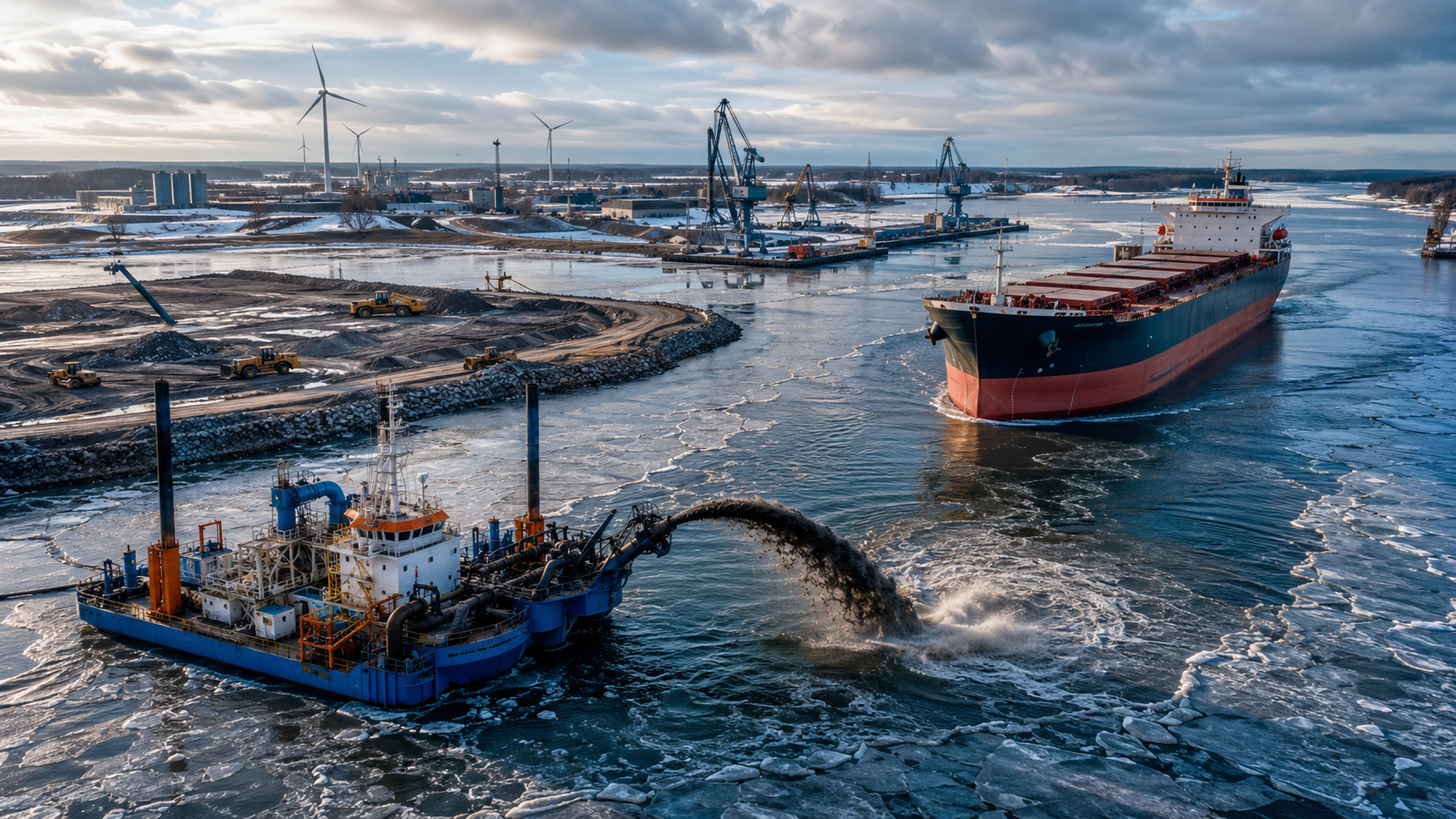

The Port of Luleå prepares dredging between 2027 and 2030 to deepen channels, accommodate larger ships, reuse part of the sediments, and expand a port area focused on the green industry.
In a region of Sweden where the sea freezes during part of the year, the Port of Luleå will remove 14 million cubic meters from the seabed to make way for larger cargo ships. The volume shows the scale of the work that needs to occur before deeper vessels can reach the terminal.
The dredging is part of the Malmporten Project and is scheduled to start in the spring of 2027. The information was released by Boskalis, a global dredging and maritime infrastructure company.
The port is located in northern Sweden and serves a region that concentrates investments in fossil fuel-free steel and sustainable energy. The expansion is expected to create space for new operations and allow for the transportation of more cargo in each trip.
-
Latin America’s Largest Port Invests $400 Million in Rail System with Trains Up to 2.4 Kilometers Long
-
Brazil’s Port of Santos to Receive New $1.1 Billion Container Terminal, Tecon Santos 10, Set to Begin Operations in 2029

-
Ports without drivers and cabins already move containers like automated factories: robotic cranes, autonomous electric vehicles, and software transform giant terminals into 24-hour logistics machines.
-
About 300 American ports still breathe diesel from trucks, cranes, and locomotives, but they are now trying to electrify heavy machinery to clean the air for 31 million nearby residents.


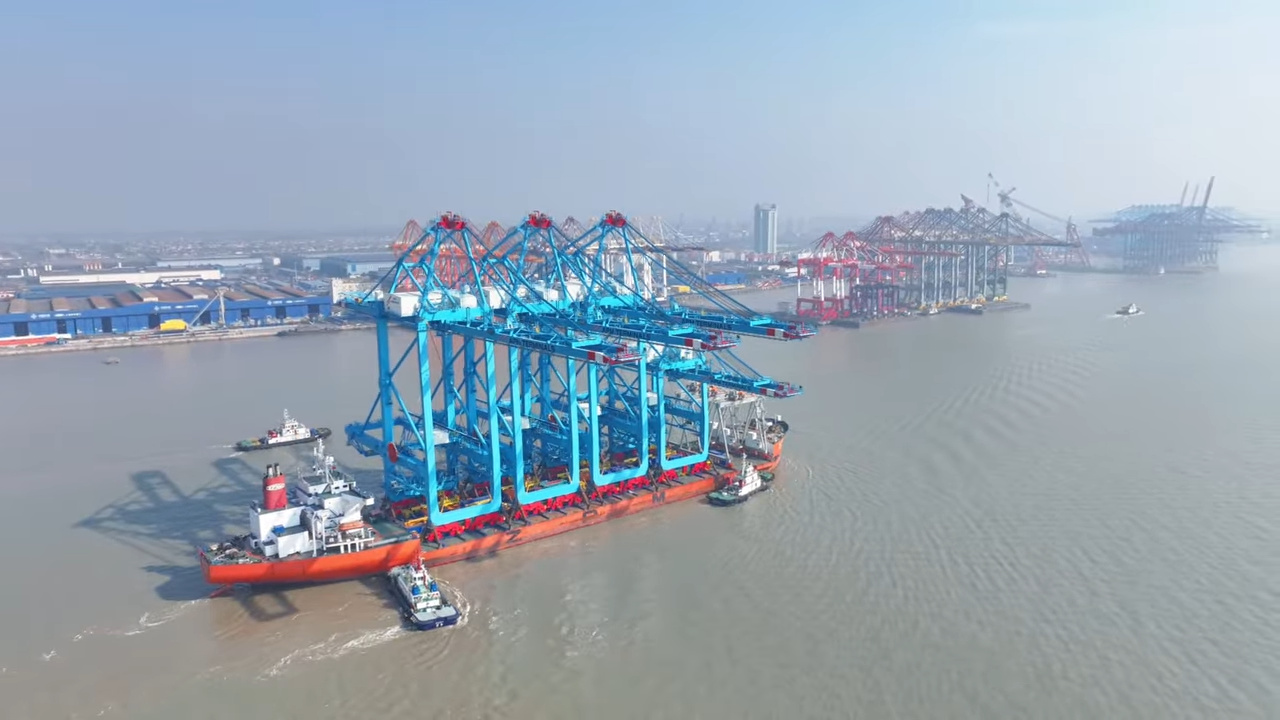

Dredging is the removal of material that reduces the depth of the port
Dredging is the removal of sand, clay, stones, and other materials that accumulate on the seabed. This work deepens the channel used by ships to enter, maneuver, and reach the loading areas.


When the depth does not match the size of the vessels, the port starts receiving smaller ships or with less cargo. The work in Luleå aims to expand the passage for ships with greater draft, the name given to the part of the vessel that is underwater.
The new channel should allow the entry of vessels with up to 14.7 meters of draft and the capacity to transport up to 85,000 tons. The current structure receives ships with a capacity of up to 45,000 tons.
Part of the removed material will become land for new operations
Not all the material removed from the seabed will be destined outside the port area. Part of the sediments is expected to be reused in landfill to create land and expand the structure of the Port of Luleå.
Land reclamation, in this case, is the creation of a new strip of land to accommodate port facilities. The plan includes a deep-water area, prepared for vessels that need more space beneath the hull.
Boskalis, a global dredging and maritime infrastructure company, provided the numbers and timelines for the contract, which includes the reuse of part of the material removed during dredging.
Ice shortens the available time to complete the work
Dredging cannot occur freely throughout the year. Activities will be carried out during ice-free seasons, when sea conditions allow the work of machines and vessels.
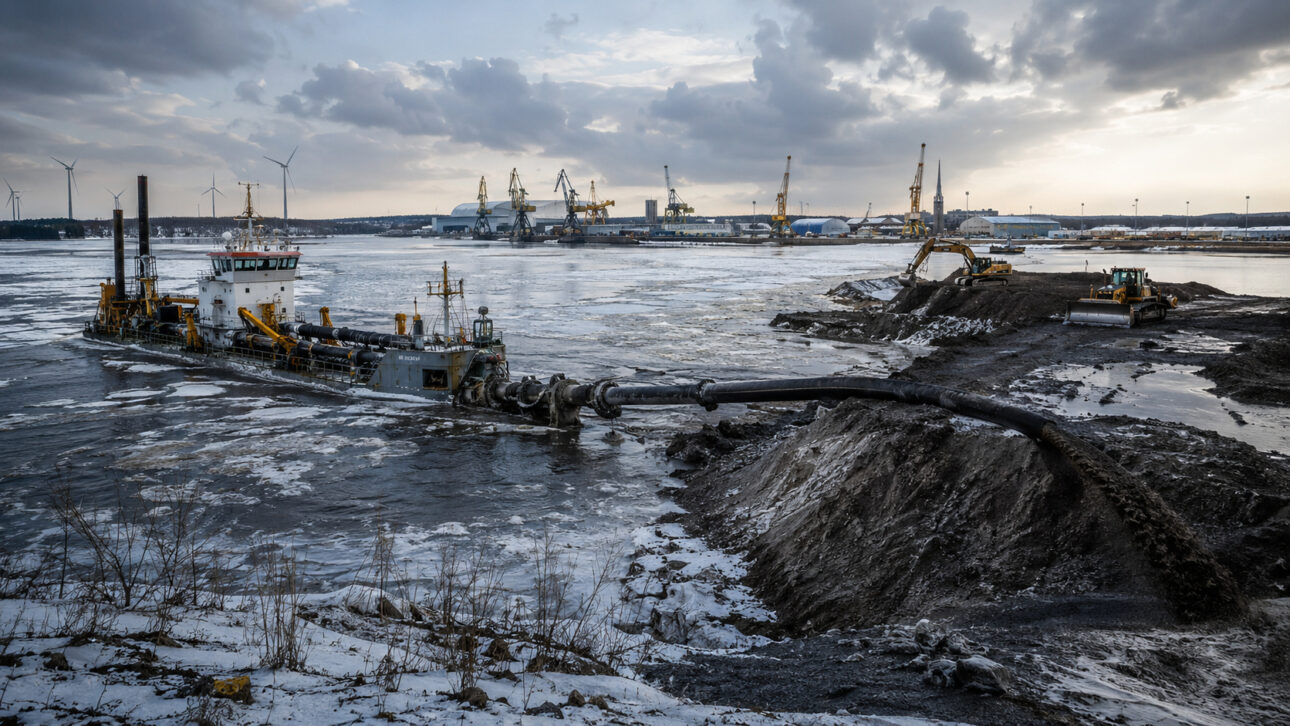
This limit makes the schedule tighter. The work should start in the spring of 2027 and finish before mid-August 2030, taking advantage of only the periods when ice does not block operations.
In addition to sediment removal, the project includes measures to reduce impacts on the sea. The work will include barriers to contain particles in the water and monitoring of turbidity, which measures how much the water is loaded with material.
Deeper channels allow more cargo to be transported per trip
The depth of the channel can change the size of the ship that arrives at a port. The greater the allowed draft, the larger the vessel that can be used to transport ores, fuels, machinery, and other cargo.
In the case of Luleå, the expansion aims to nearly double the cargo capacity per trip, increasing from 45,000 tons to up to 85,000 tons. This may reduce the number of trips needed to transport the same volume of goods.
The project is also linked to the demand for exports from northern Sweden and Finland. The region hosts industrial activities that depend on ports prepared to receive larger vessels.
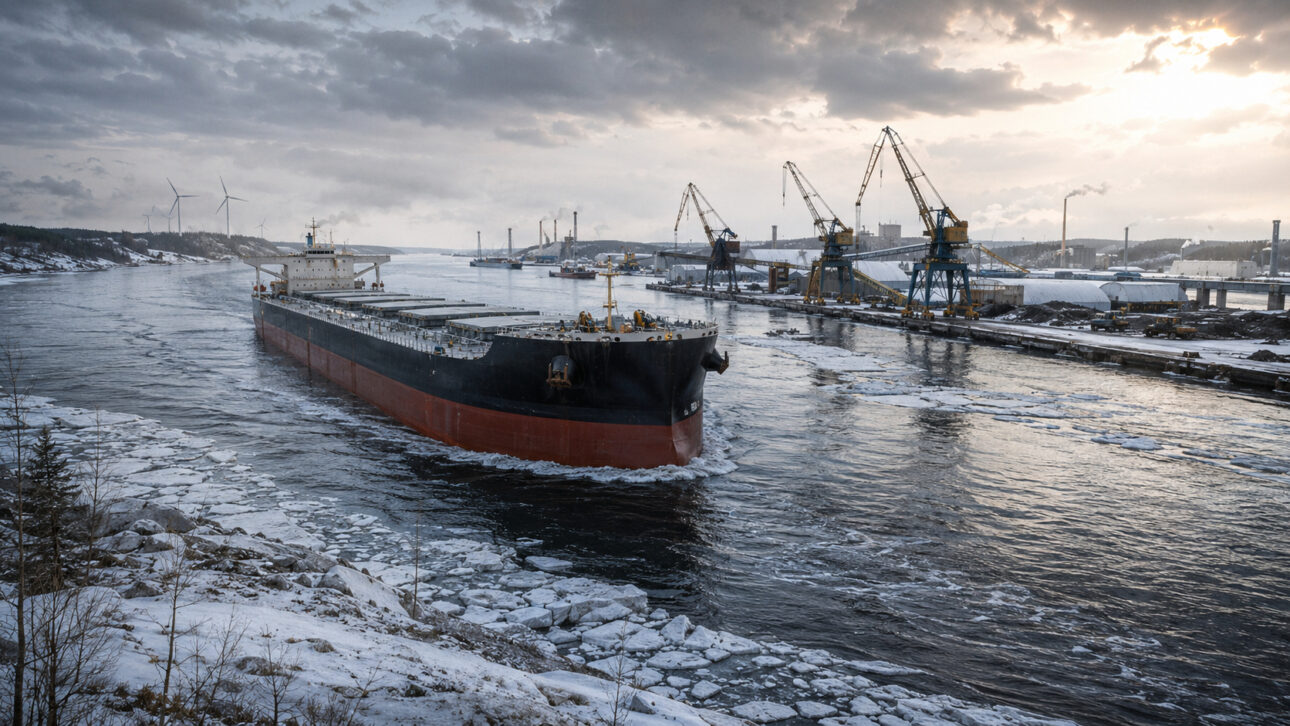
Santos, Paranaguá, and Northern ports help understand the challenge
Santos, Paranaguá, and the northern ports help to visualize why dredging is significant for the economy. The depth of the channel directly influences the size of the ship that can enter and operate safely.
The difference in Luleå is the ice. While Brazilian ports deal with tides, currents, and accumulation of material at the bottom, the Swedish port also needs to fit the work into a window limited by sea conditions.
In all these cases, dredging has a simple function to understand: remove what obstructs passage and make the path deeper for ships.
Malmporten Project already has a contract, but the work has not yet started
The contract for dredging was awarded by the Swedish Maritime Administration and the Port of Luleå. Boskalis and Van Oord will work together on the execution of the works planned in the Malmporten Project.
The removal of 14 million cubic meters has not yet started. The schedule marks the start for 2027 and establishes completion before mid-August 2030.
The work shows that expanding a port does not only depend on building new warehouses or installing cranes. In Luleå, the first step will be to change the depth of the seabed to allow passage for larger ships.
The reuse of part of the sediments should also create land for new port operations in a region that is trying to expand its structure to support the green industry.
Do you believe that Brazilian ports could make more use of dredged material to expand operational areas without relying solely on new landfills?


