Portuguese
  Spanish



Increase The Lifespan Of Your Car Tires With Simple And Effective Tips To Prevent Rapid Wear And Save Money
Do you know how to take care of your car tires so they last longer and keep you safe? If you think a tire is just rubber and air, you might want to take some time to learn a bit more about how they work.
In addition to getting you where you need to go, well-maintained tires ensure safety and savings in your daily life. Let’s learn together about tire lifespan and tips to extend it?
What Are Tires Made Of?
Before we talk about durability, it’s interesting to know what tires are made of. They are composed of a mix of natural and synthetic rubber, carbon black, steel, fabrics, and chemicals. These materials were chosen to ensure that tires have strength and grip, but over time and use, some components can wear out. Therefore, understanding their lifespan and being able to identify signs of wear is essential for anyone who wants to drive safely.
-
Kia K4 Launches in Portugal with 7-Year Warranty, Targets Volkswagen Golf with 1.0 Turbo Engine, Unavailable in Brazil

-
Uber Women Expands Across Brazil: Female Riders Can Now Choose Women Drivers, Schedule Rides, and Set Automatic Preferences

-
Brazil Plans to Launch Ethanol-Fueled Hybrid Cars in 2026 as an Alternative to Fully Electric Vehicles

-
Hyundai HB20S 2026 Surpasses Onix with Turbo Engine, Fuel Efficiency of 15.2 km/l, and Over 750 km Range, Leading Compact Sedan Sales in Brazil with 5,205 Units Sold.



What Is The Lifespan Of A Tire?
Lifespan varies depending on the type of use. Under normal conditions, good quality tires can last between 40,000 and 60,000 km. But if you often drive on rough roads, accelerate and brake suddenly, or neglect preventive maintenance, they are likely to last less. Want to know how to extend the lifespan of tires? Follow the tips below!
Practical Tips To Increase Tire Durability
- Maintain The Correct Pressure: Check your tire pressure at least once a month and before long trips. Underinflated tires increase fuel consumption and wear out more quickly. Always inflate according to the vehicle manual’s recommendations.
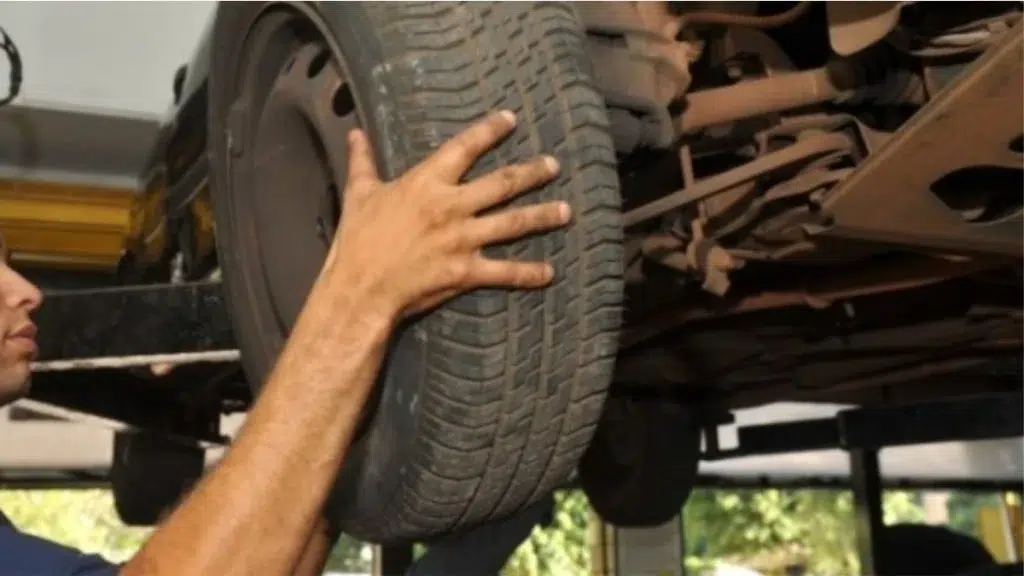
- Rotate The Tires: Every 10,000 km (or as recommended in the manual), switch the positions of the tires to ensure even wear. This practice prevents only one side of the tires from wearing down more and contributes to the car’s stability.
- Align And Balance The Tires: Does it feel like the car is pulling to one side or the steering wheel shakes? Time to align and balance! This ensures that the tires roll steadily and prevents uneven wear, increasing safety and comfort while driving.
- Drive Carefully: The way you drive also directly affects tire durability. Avoid sudden starts, hard braking, and drive slowly over bumps and potholes. Drive carefully to save fuel as well!
Signs Of Tire Wear: When Is It Time To Replace?
Safety on the road depends on tires in good condition. But how do you know when it’s time to replace them? Pay attention to the signs:
- Bald Tire: If the tread depth is less than 1.6 mm (a quick test is to use a 1 real coin), it’s time to replace it. Tires without tread lose grip, especially on wet roads.
- Cracks And Deformations: Cracks, bubbles, or any deformation indicate that the tire is compromised. This can lead to blowouts and even loss of vehicle control.
- Uneven Wear: When one side of the tire wears down more than the other, the issue may be alignment or suspension. Uneven wear affects the stability of the car
- It increases fuel consumption.
- Vibrations And Noises: If the steering wheel shakes or strange noises occur, go to a shop. These signs indicate problems that should be fixed before they become more serious.
- Constant Loss Of Pressure: Checking tire pressure weekly is a warning sign. Tires that lose pressure quickly may have leaks and need to be functional.
How To Know The Lifespan Of Your Car Tires?
If you are unsure whether you need to replace your tires, here’s how to check in a practical way:
- Look At The DOT Code: the DOT is a four-digit code on the side of the tire that indicates the week and year of manufacture. Tires over five years old may not perform the same, even if they appear in good condition.
- Measure The Tread: The tread is the part that touches the ground and ensures grip. To measure, you can use a 1 real coin: if the gold part is visible, the depth is insufficient and the tire should be replaced.
- Check The Wear Indicators (TWI): Some tires have small bumps called Tread Wear Indicators (TWI) that show the wear limit. If these indicators are at the same level as the tread, it is definitely time to replace them.
Clear Your Doubts About Tire Lifespan
- Can I Replace Only One Tire? In some cases, like a recent flat, replacing just one tire may be sufficient. However, it is ideal to replace tires in pairs or all four at once to maintain vehicle balance.
- How To Choose The Ideal Tire? Choosing the right tire is like finding the perfect shoe. Check the vehicle manual to see the recommended specifications and consider the type of terrain you usually drive on, such as asphalt or dirt.
- Why Is It Important To Service Tires? Preventive maintenance allows you to identify problems before they escalate. This prolongs the life of the tires and helps avoid headaches on the road.
The Importance Of Service Stations
If you’re traveling and notice problems with your tires, look for a trusted service station. They offer a variety of services to keep your vehicle in good condition, from 24-hour assistance to preventive check-ups, ensuring that you always travel safely.
Now that you know all these details, you’re more prepared to take good care of your car!