






 Portuguese
  Spanish


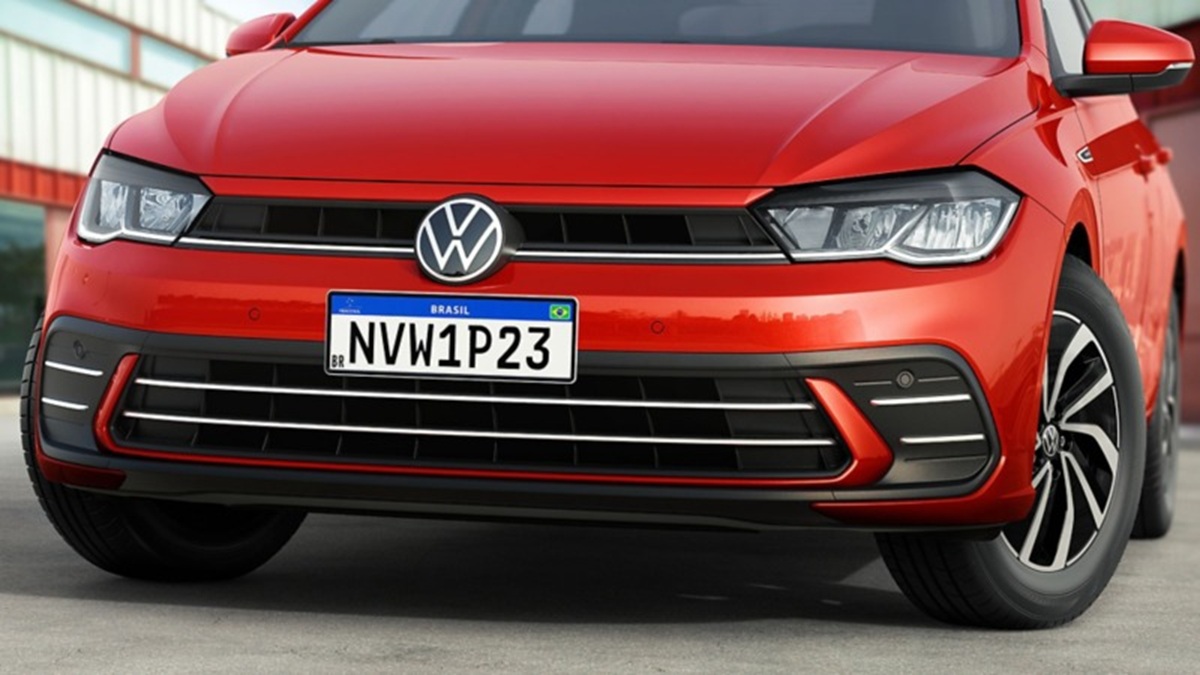


The Consumer Seeking a New Car Up to R$ 100 Thousand Finds Fewer Options in the Market, but Volkswagen Still Offers Two Competitive Models in This Price Range. The Polo Appears with Reduced Price and Efficient Consumption, While the Virtus Stands Out for Its 521-Liter Trunk and Spacious Interior. Both Reinforce the Brand’s Strategy to Meet Distinct Audiences with Adjusted Cost/Benefit
Until recently, R$ 100 thousand was enough to get a mid-sized new car into the garage. Today, the reality is different: the list of options in this price range has decreased significantly, but still holds relevant alternatives.
One of the brands that maintains a strong presence in this segment is Volkswagen, which positions TWO of its most well-known models — Polo and Virtus — within the limit of up to R$ 110 thousand.
This strategy gains strength with the Sustainable Car program, which eliminated the IPI on national vehicles since July and helped to reduce prices.
-
2027 Toyota Corolla Cross Unveiled: New Design, Enhanced Fuel Efficiency, Reduced Maintenance Costs, Advanced Technology, Connected Services, and Up to 10-Year Warranty

-
Fiat Cronos Precision 2018: Affordable Sedan with Spacious Trunk and Reliable Maintenance
-
Volkswagen to Cut Production by 1 Million Cars by 2030, Reducing Jobs and Platforms, Focusing on More Profitable Models

-
Toyota Launches First 100% Electric Car in Brazil: bZ4X with 343 HP, All-Wheel Drive, 361 km Range, Priced at $419,990 BRL, Limited to 99 Units




With this, Volkswagen took the opportunity to reposition the hatch and sedan in entry versions, reaching consumers looking for cost/benefit in different segments.
Polo: The Rational Hatch That Became a Favorite of App Drivers
The Polo Track was born as an entry-level version and quickly won over app drivers. The combination of a more accessible price and simple maintenance made it a sales standout. With the reduction promoted by the Sustainable Car program, the price fell from R$ 92,660 to R$ 87,845.
The performance is not impressive: equipped with a 1.0 aspirated engine with 84 hp and a five-speed manual transmission, the hatch needs 16 seconds to reach 100 km/h. On the other hand, it compensates with fuel consumption: 13.5 km/l in the city and 15.7 km/l on the highway with gasoline.
In the brand’s configurator, above the Track version are options such as Sense (R$ 107,990) and 170 TSI (R$ 107.8 thousand), both with a 1.0 turbo engine of up to 116 hp and differences in transmission. The Polo still offers good interior space, four airbags, electric steering, and a hill assist feature, potentially offering a multimedia center and digital dashboard in higher versions.
Virtus: The Sedan with Abundant Space
The Virtus Sense TSI completes the line by offering spaciousness and a generous trunk for R$ 108,990. Aimed at fleet owners and app drivers, it combines a 1.0 turbo engine with up to 116 hp and a five-speed manual transmission.
The fuel consumption is 13.2 km/l in the city and 15.8 km/l on the highway. The major attraction, however, is the 521-liter trunk, one of the largest in its class, coupled with a 2.65-meter wheelbase, which ensures comfort for rear passengers.
The equipment list includes electric steering, air conditioning, six airbags, and an 8-inch digital display. The finish is simple, predominantly plastic, but meets the needs of the audience looking for space and controlled maintenance costs.
Volkswagen’s Strategy in the R$ 100 Thousand Special
With Polo and Virtus, Volkswagen covers three distinct segments — hatch and sedan — within the limit of up to R$ 110 thousand.
Each model offers a different appeal: fuel economy in the Polo, work robustness in the Saveiro, and generous space in the Virtus.
These features show how the brand can still compete in the more price-sensitive market, even in a scenario where R$ 100 thousand no longer has the same reach as before.









Conversa , o polo track 2025 não passa de 8km por L. Comprei um em maio , já está com 2500km rodados e o consumo não passa disso. Com álcool o desastre é maior, não passa de 6km por L. No mais é um bom carro, mas o consumo é de um Landau 1974.