






 Portuguese
  Spanish





When you think about changing your car, does that cold feeling in your stomach hit you with fear of the bills that come afterward? Well, with the bestselling hatches in the country, the conversation is no different. Polo and HB20 continue to compete for space on the streets, but the real battle isn’t just about design or engine. Today, what really matters is how much they cost in everyday life, especially for maintenance and insurance.
Hatches And The Choice That Goes Beyond Appearance
Many people choose a hatch for practicality: they’re compact cars, easy to park, and still carry a good dose of style. The Polo is marketed as a sturdier car, with that “robust German” vibe, while the HB20 has won fans with its modern design and plenty of technology. But, in the end, what makes the owner smile or cry is the bill after a few months of use.
Maintenance That Can Cost More Than Expected
If you look at the maintenance schedule, the Polo seems to consistently charge a bit more, especially for services over 30,000 km, when parts like spark plugs and fluids come into play. The HB20, on the other hand, appears to be more affordable in this regard, with slightly lower prices. However, there’s one detail: anyone who has taken an HB20 to an independent workshop knows that sometimes the wait for parts can be longer, which leads to extra expenses in time and even money.
-
End of an era in Brazil: beloved sedan by Brazilians is discontinued despite having a 2.0 engine with 151 hp, CVT transmission, 466-liter trunk, and up to 650 km of range.

-
New Law Proposal in Brazil Could Heavily Penalize Drivers: Dangerous Overtaking May Become a Serious Offense with Fines Increased Tenfold and a 12-Month License Suspension; Update on 2026 Progress

-
Electric Revolution: Watts W125 Motorcycle Offers 160 km Range, 90 km/h Speed, and Affordable Price Starting at $3,000
-
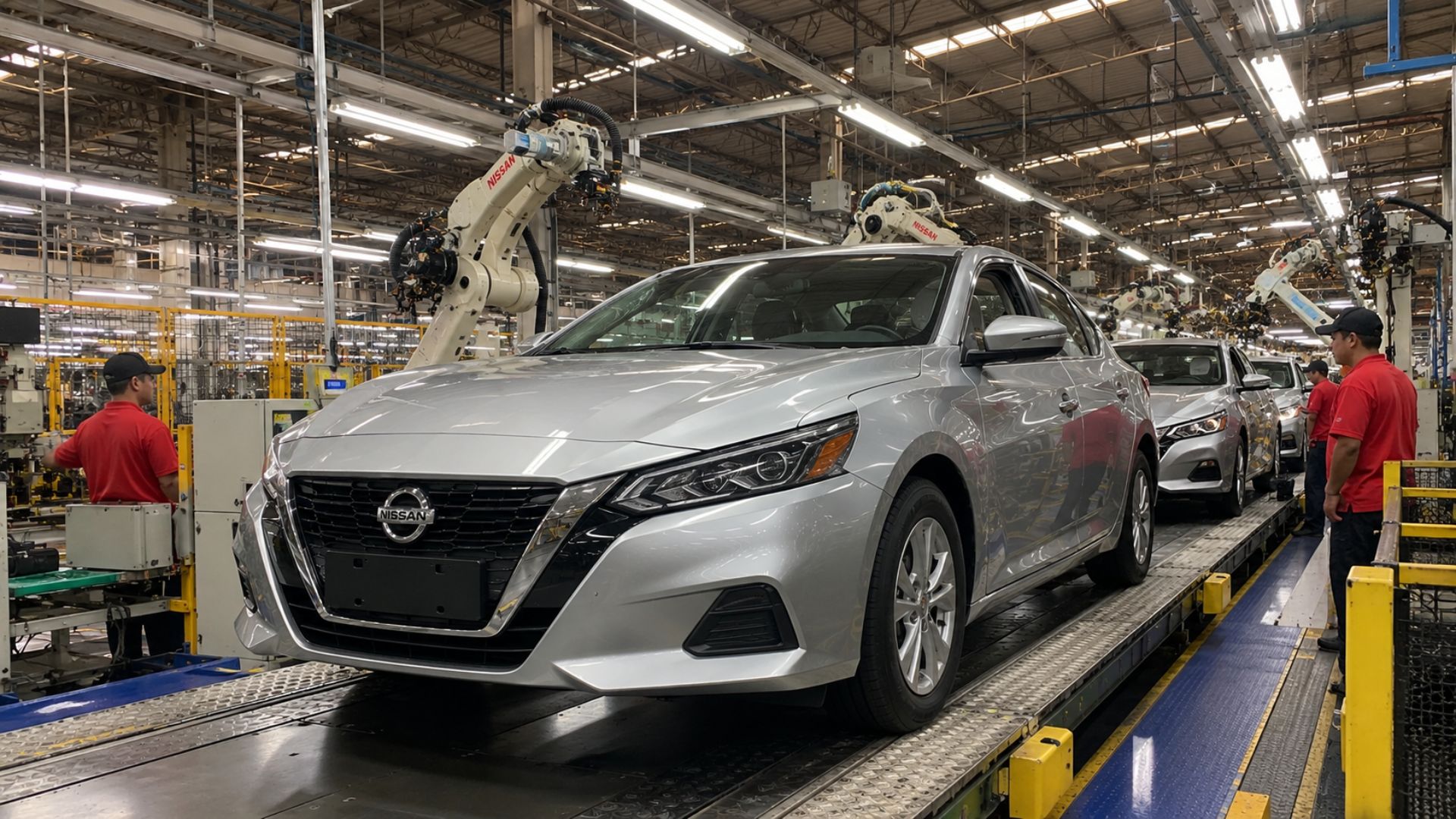
General Motors Replaces Over a Thousand Workers with 50 Cobots at Electric Vehicle Plant, UAW Union Criticizes Move Amid Industry’s Automation Push



Insurance: The Bill That Nobody Likes To Pay
Here’s a point that can change the game. The Polo, being quite popular in large cities, generally has more expensive insurance rates. The HB20, despite being sought after by thieves as well, usually has lower policy amounts — especially if the driver has a good record and a calm profile. This detail makes a difference in the wallet every month.
Resale And Everyday Use
Another factor that doesn’t always show up at first glance is the value retention when it comes time to sell. The Polo still has a good reputation and holds its price, particularly in the automatic versions. The HB20, in turn, stands out for its more modern look and the promise of lower running costs. For those who frequently change cars, the Hyundai may be the easier one to negotiate.
So, Which One Makes More Sense?
In the end, the choice between the Polo and HB20 goes far beyond personal preference. Those who value a sense of stability on the road and finish will feel better in the Polo. But those who prefer to reduce insurance and maintenance expenses may fare better with the HB20. The competition shows that hatches are not just about style — they are about living well with the car and not getting scared when the bill arrives.








Não tem nem comparação, óbvio que é o hb20.