Portuguese
  Spanish


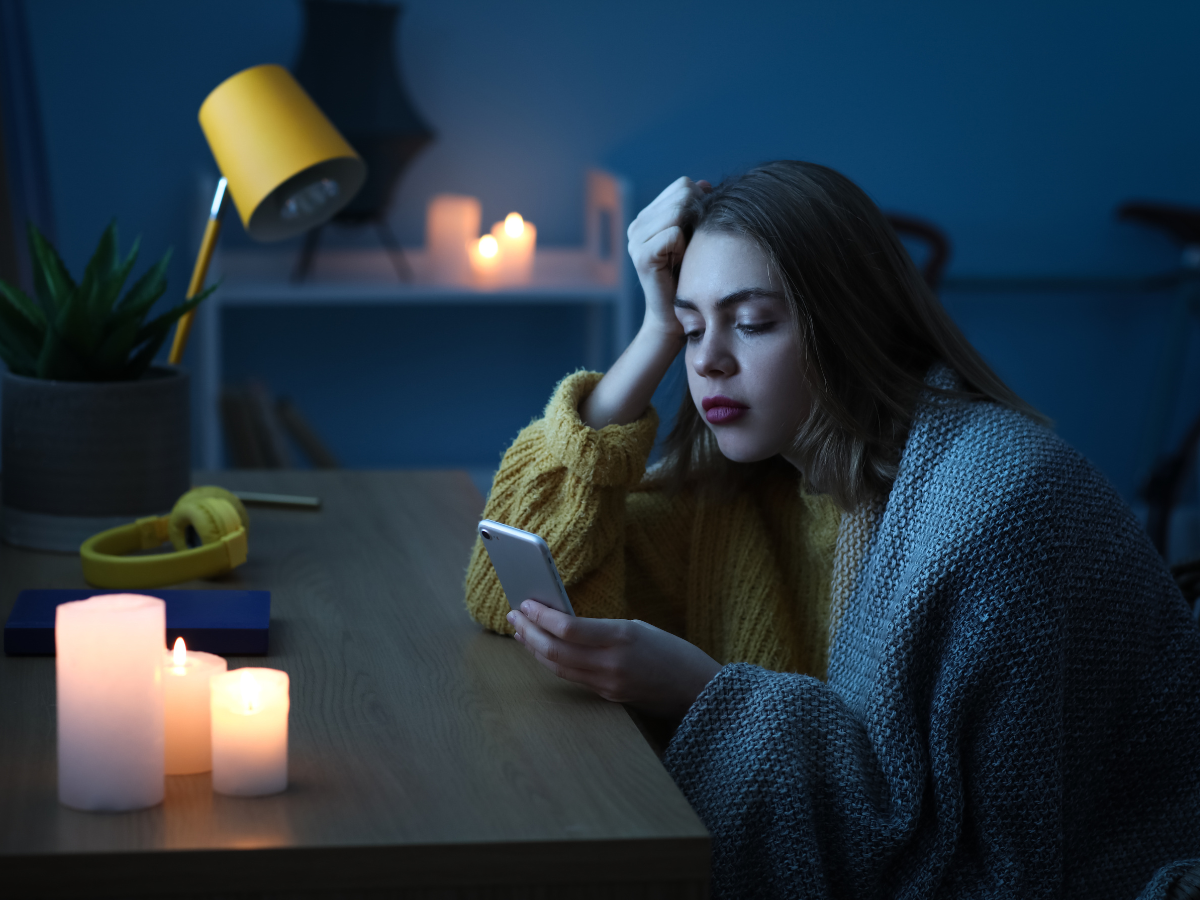

Discover Why Even Those Who Use Solar Panels May Be Without Energy During Blackouts And Understand The Differences Between On-Grid And Off-Grid Systems.
Even with the growing use of renewable sources, such as solar panels, it is still possible to be in the dark during a blackout. This is what recently happened in Portugal and Spain, when, on April 28, thousands of homes and businesses with installed solar systems were also affected by a widespread power outage.
The reason? It lies in the way most solar systems are integrated into the electrical grid.
Solar Panel and Blackout: What Is the Relationship?
Although it generates energy autonomously, the solar panel, in most residential and commercial installations, operates on a model called on-grid — that is, connected to the electrical distribution network.
-
Solar energy can increase property value by up to 10% and become a selling point.

-
Solar and wind energy surpass natural gas for the first time in the world and accelerate energy revolution

-
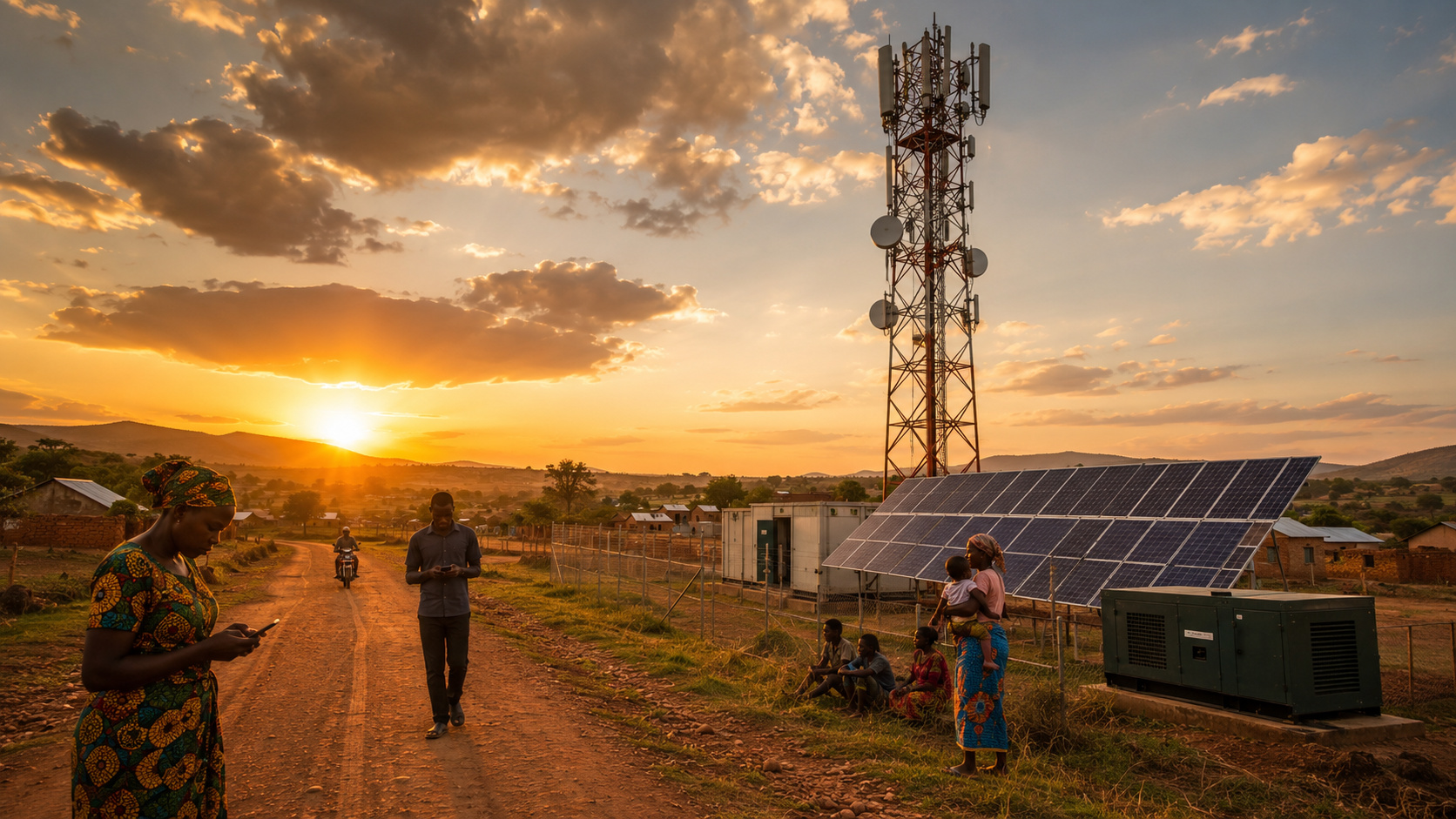
Africa has about 500,000 cell towers and most still burn diesel to operate, while companies rush to cover antennas with solar energy and avoid signal blackouts.
-
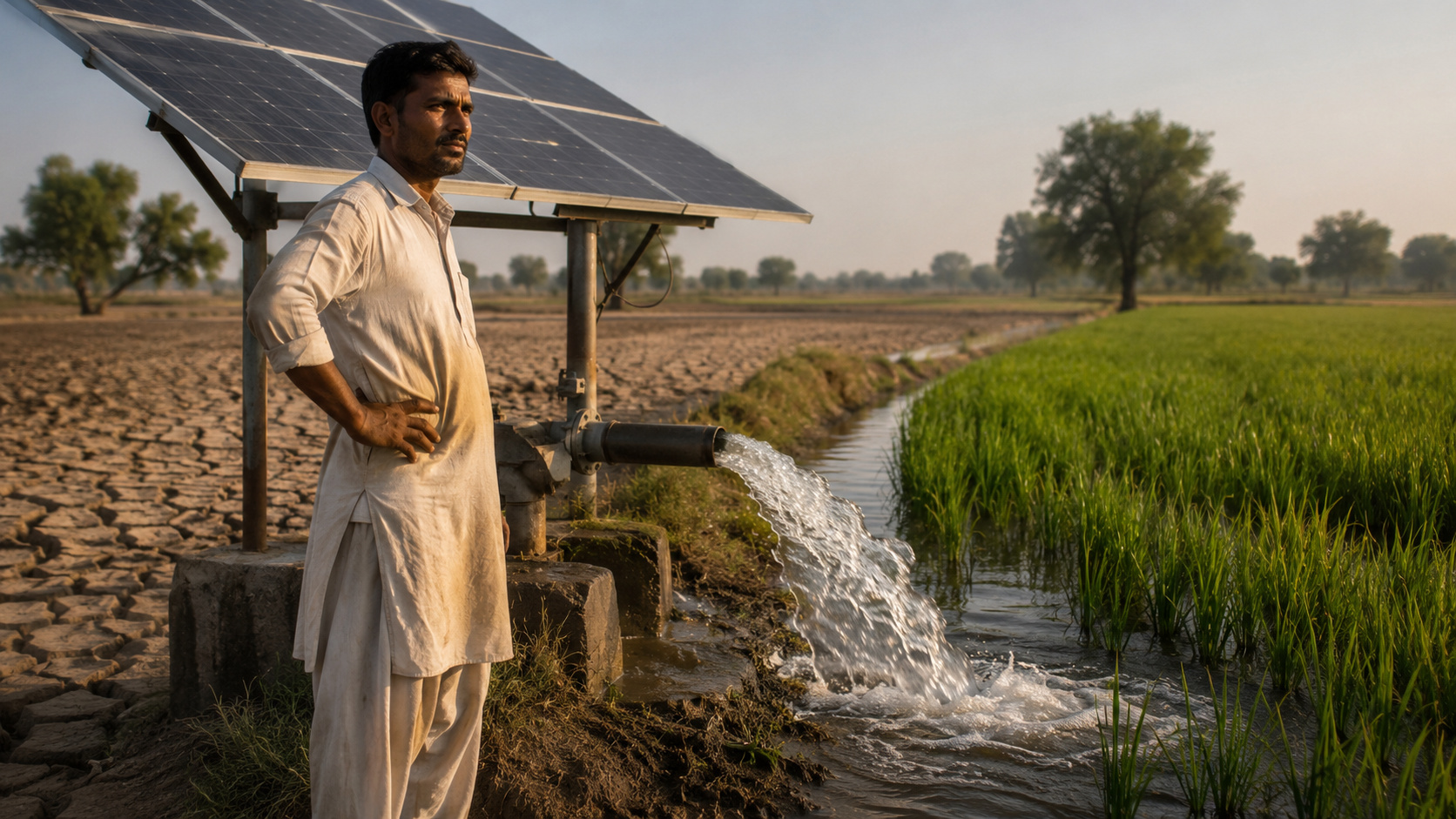
Farmers swapped diesel for solar panels in Pakistan, powered irrigation pumps almost cost-free, expanded rice fields, and now groundwater has become a red alert in the countryside.
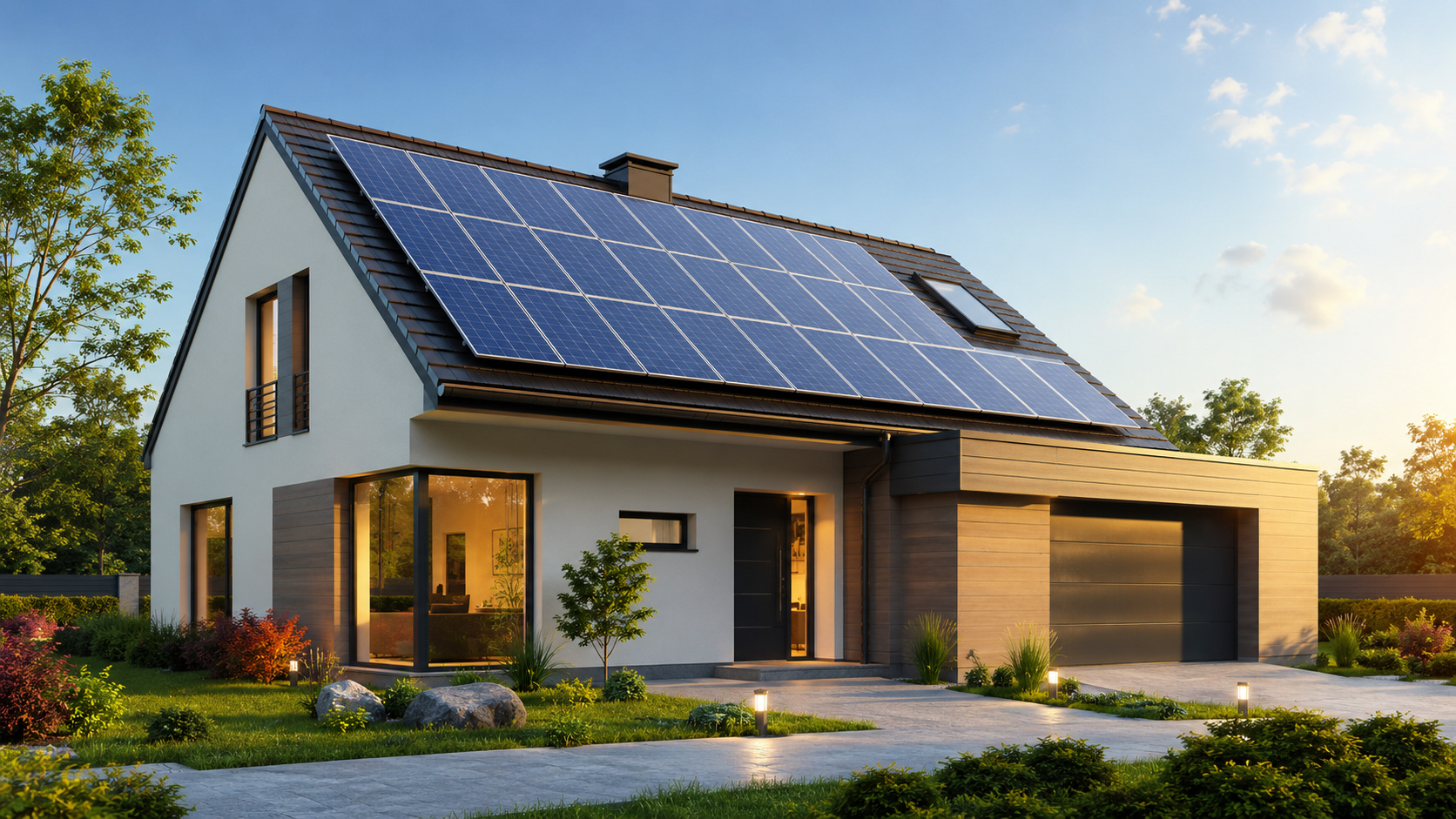

This type of system works in conjunction with the energy distributor: any surplus generated during the day is injected into the grid, and any shortfall (such as at night or on cloudy days) is supplemented by the distributor itself.
Therefore, when there is a blackout in the electrical grid, this type of system is also interrupted as a safety measure.
This prevents technicians working to restore the grid from facing risks from energy being injected by these decentralized sources.
The Grid as A “Battery”: How The On-Grid System Works
The National Electric Energy Agency (ANEEL) explains that the on-grid system works like a kind of “virtual battery”.
Excess solar energy generated during the day is injected into the utility’s grid and then returned to the consumer unit at night or during times of lower generation. This process is regulated by the Electric Energy Compensation System.
The credits generated are valid for up to 60 months and can even be transferred between properties owned by the same holder, as long as they are under the same CPF or CNPJ.
This possibility of remote compensation is an extra incentive for those looking to invest in solar energy in a more strategic and economical way.
Off-Grid: The Independent (And More Expensive) Option
Off-grid systems, which operate independently of the public grid, use lithium-ion batteries to store the generated energy and ensure a continuous supply.
The great advantage is that these systems are not impacted during blackouts.
However, the high cost of batteries makes this model less common, being more used in isolated areas where access to the conventional electrical grid is nonexistent.
After All, Is It Worth Investing In Solar Panels?
Even with vulnerability to blackouts, investing in solar panels continues to be advantageous. In addition to reducing electricity bills, the on-grid system offers benefits such as energy credits and long-term financial returns.
The possibility of compensating energy across different properties and the lifespan of the equipment — which can exceed 25 years — make the investment increasingly attractive.
For those who want to protect themselves from blackouts, it is possible to complement the on-grid system with backup batteries or switch to hybrid models, which combine both technologies. This, however, requires planning and a higher investment.
Although solar panels are increasingly present on Brazilian rooftops, their operation depends directly on the type of system installed. During a blackout, units connected to the grid can indeed be without energy, even in the sun.
Understanding the differences between on-grid and off-grid systems is essential for those looking to invest wisely and prepare their homes for all scenarios.