






 Portuguese
  Spanish
  4 min of reading
  0 comments


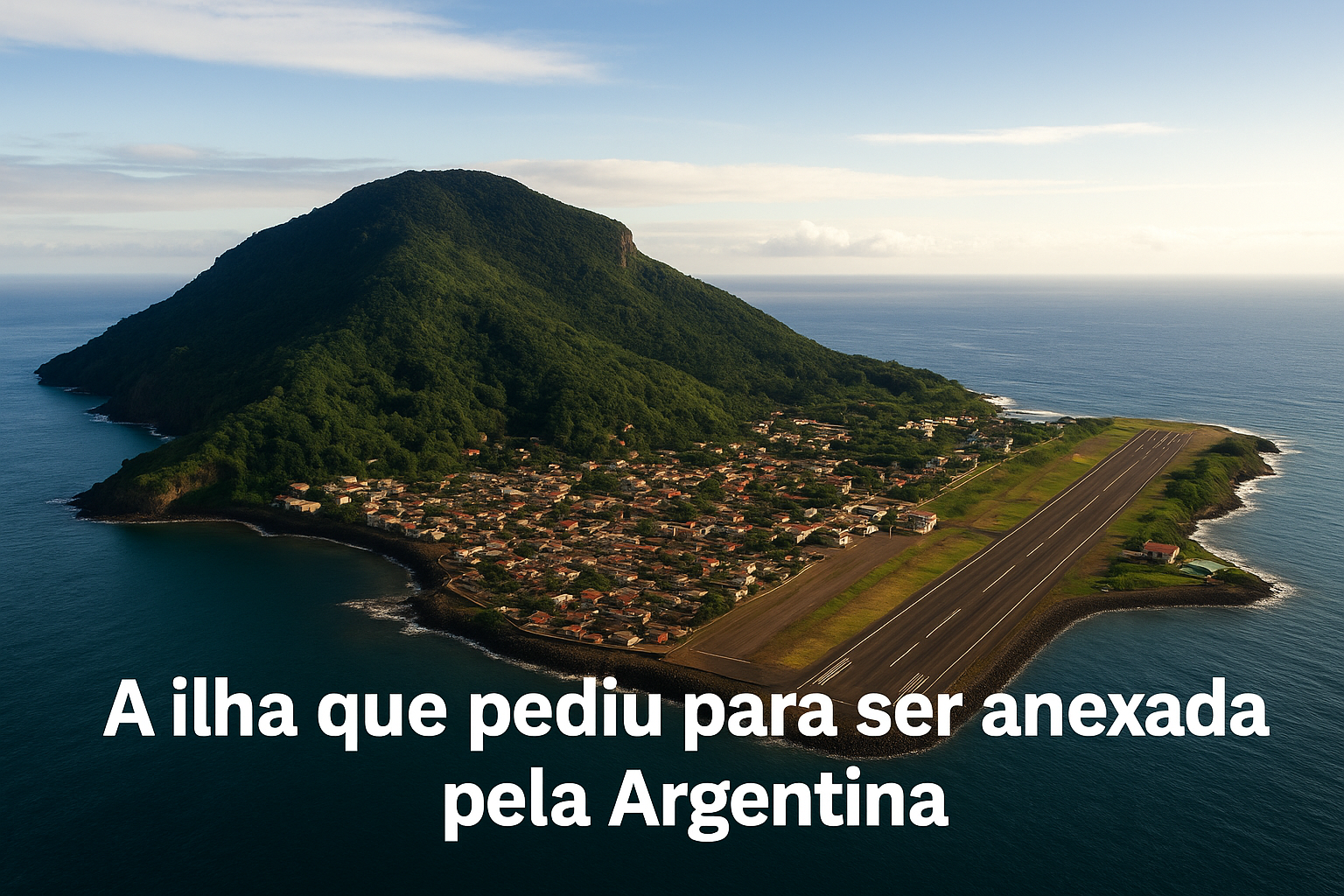
In The Midst Of Abandonment And Repression, Residents Of Annobón Seek Argentinian Support And Want To Break With Equatorial Guinea After Decades Of Isolation
A small island in the middle of the Atlantic has attracted international attention by making an unusual request: to be annexed by Argentina. The island in question is not the Falklands, which have been disputed for decades by Argentines and Brits. Its name is Annobón, and it is located about 500 kilometers off the African coast, currently belonging to Equatorial Guinea.
What is surprising is the request from the local population. Even without direct historical or geographical ties to Buenos Aires, representatives from Annobón have asked for political support and expressed a desire to become a province or associated state of Argentina.
Isolation And Dissatisfaction
Annobón is the smallest province of Equatorial Guinea and also the most isolated. It is closer to the archipelago of São Tomé and Príncipe than to the capital of its own country, Malabo. The distance and neglect are said to be the main reasons for the residents’ discontent.
-
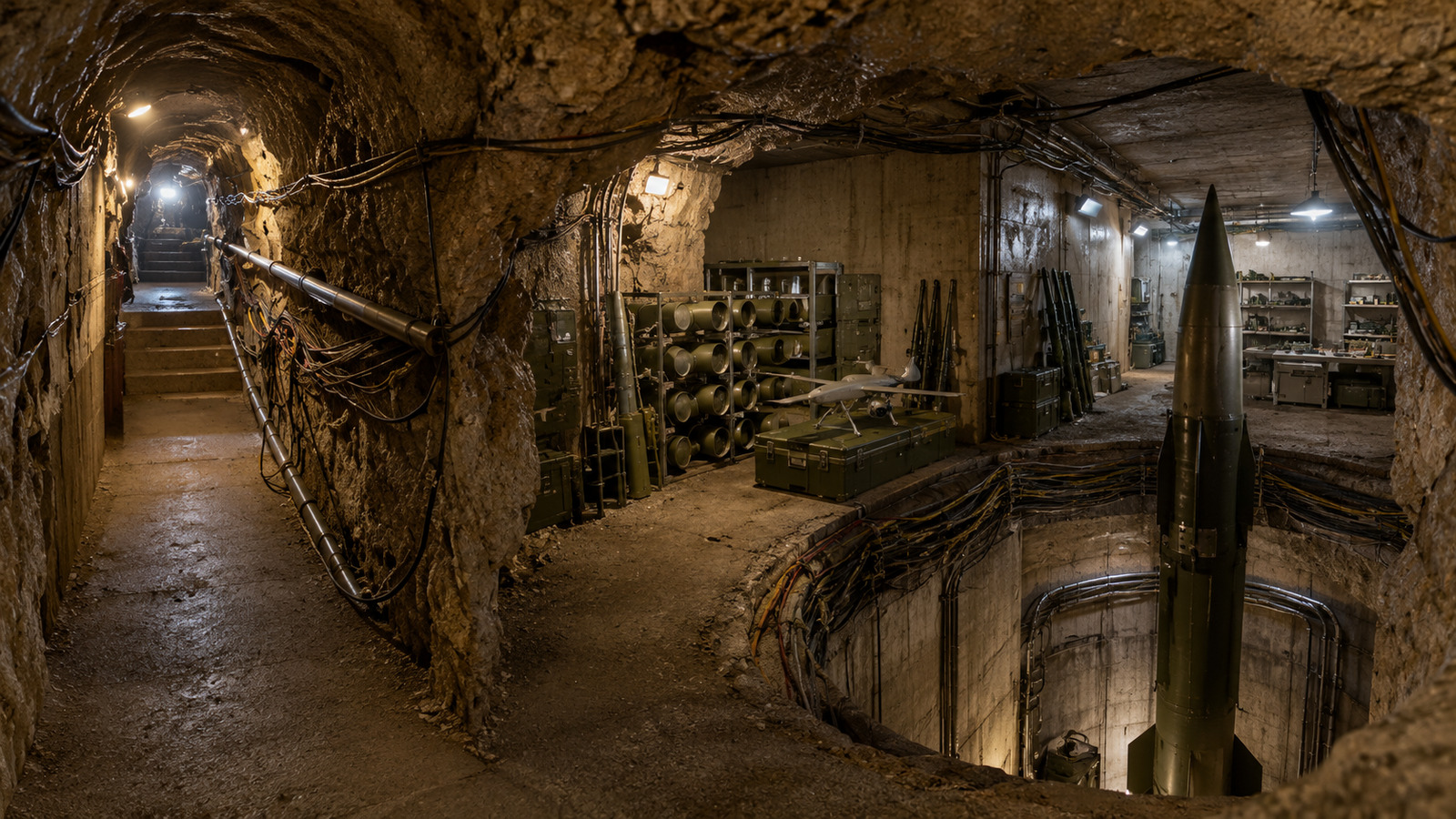
Israel finds Hezbollah militarized tunnel over 200 meters long under village, with 4 missile launch shafts, 12 chambers, anti-tank missiles, drones, and weapons depots at a depth of 25 meters.

-
Ukraine launches largest drone attack on Moscow since 2022, Russia claims to have intercepted nearly 200 aircraft near the capital, Kapotnya refinery targeted again, and offensive reignites alert about war reaching the Russian energy heart just a few kilometers from the Kremlin.

-
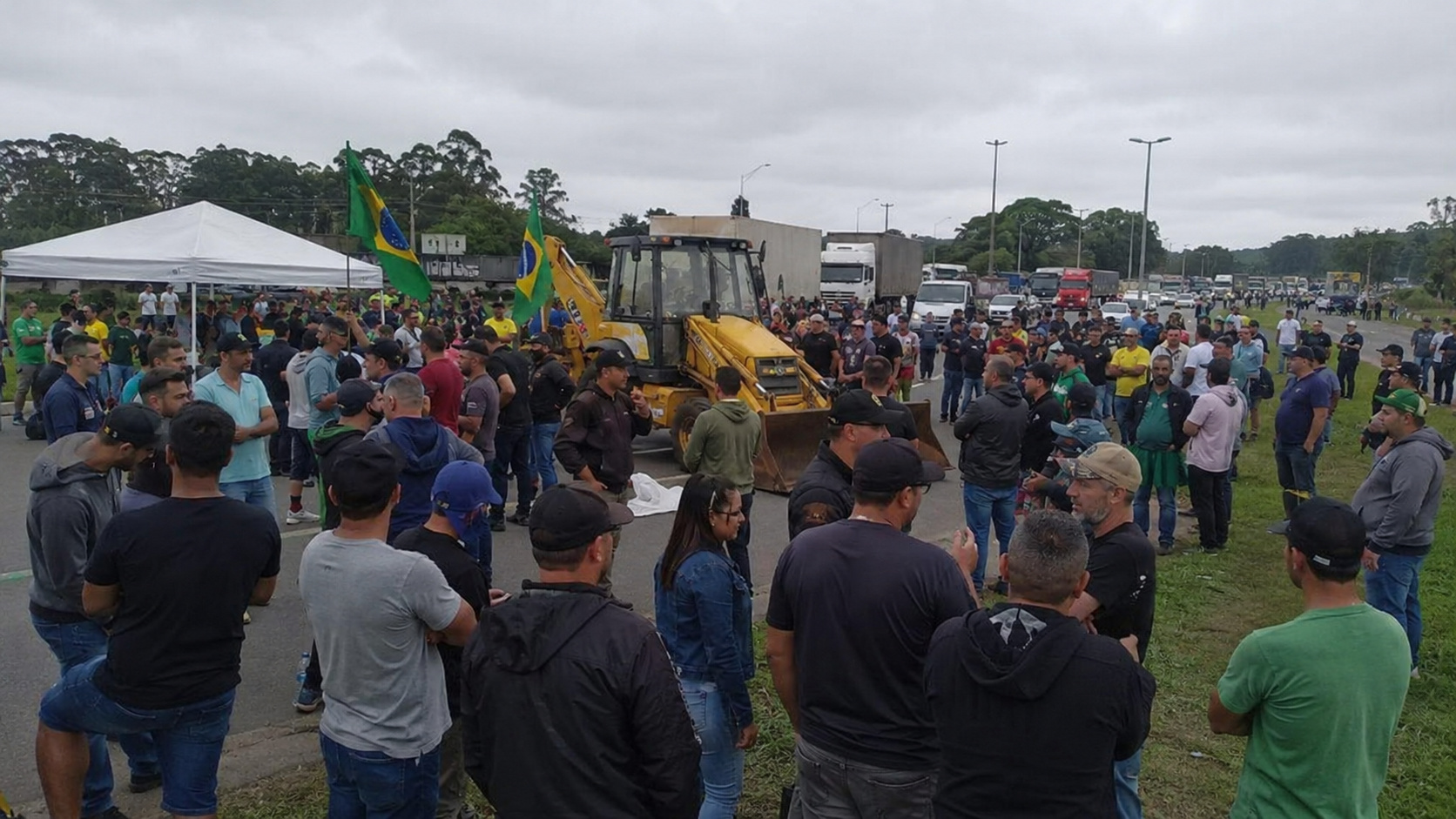
Truck drivers, freight, and fines from 2022 take center stage in politics: Chamber approves MP with amnesty, mandatory tracking by CIOT, million-dollar penalties, and new minimum wage for those who spend more than 24 hours on the road.

-
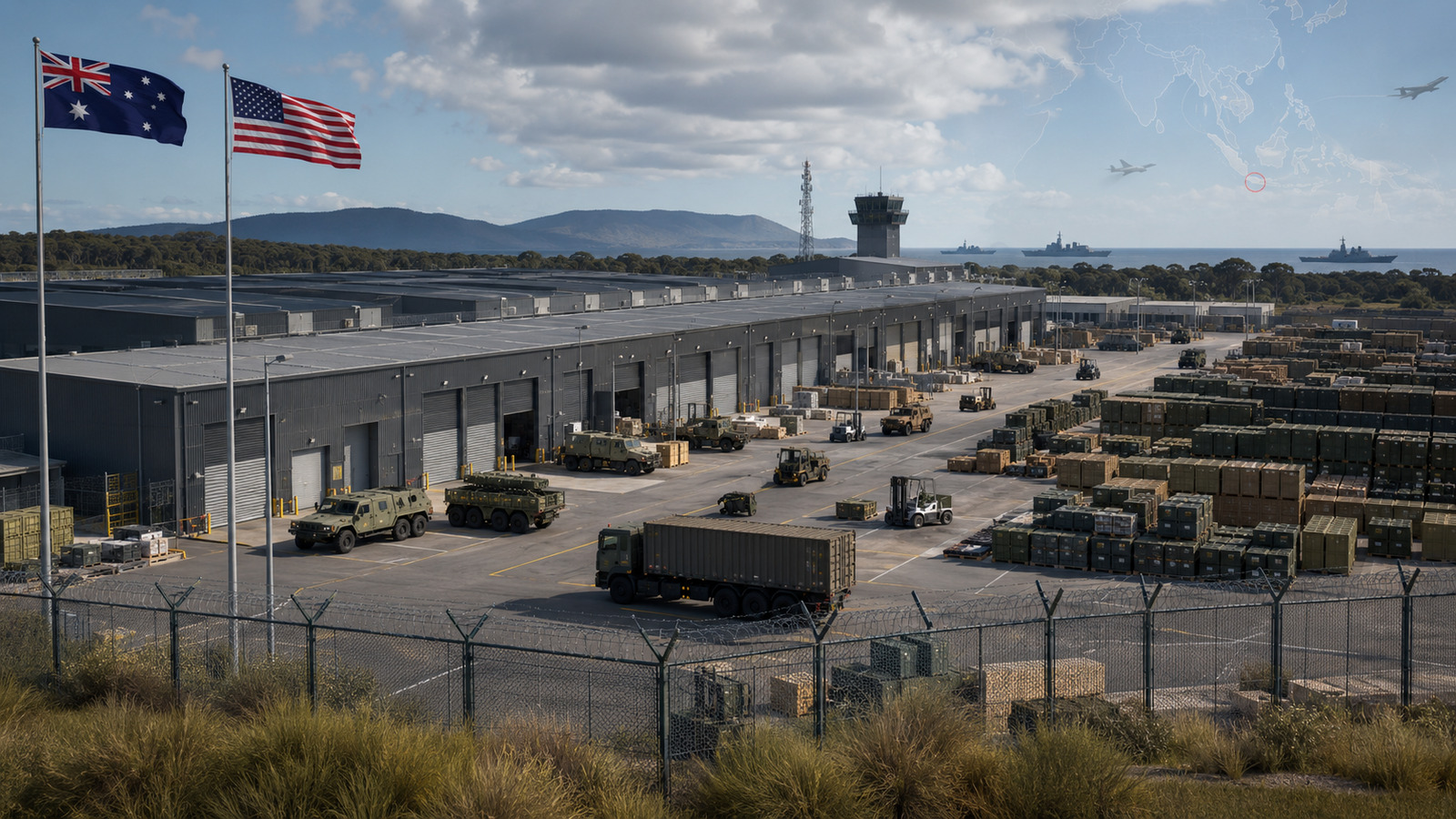
China off the radar: US plans mega $30 million weapons depot in Australia, out of reach of most Chinese missiles, with full capacity expected by 2028

Since 2022, local leaders have been attempting a process of emancipation. The self-proclaimed prime minister of the island, Orlando Lagar, claims that the inhabitants of Annobón suffer discrimination and even genocide by Equatorial Guinea.
“We are a different people, with a different cultural identity and language,” declared Lagar in an interview with Argentine radio Rivadavia.
According to him, the creation of Equatorial Guinea in 1968 forcibly united distinct peoples. For Lagar, this union has caused harm to the island, which faces hunger, thirst, and neglect by the central government.
Colonial Past As A Political Tool
Curiously, Annobón decided to resort to its colonial past to draw the attention of the international community. Instead of reinforcing ties with Portugal — the country that initially colonized the island — or with Brazil — which shares linguistic ties — the call for help was directed to Argentina.
Lagar’s justification is linked to the history of the Spanish Empire. According to him, Annobón was part of Spanish Guinea and, at one point, had administrative ties with Buenos Aires, the capital of the former Viceroyalty of the Río de la Plata. “Javier Milei, pay attention to the people of Annobón,” declared the leader in a direct appeal to the Argentine president.
Annobón: Portuguese Roots And Slave Trade
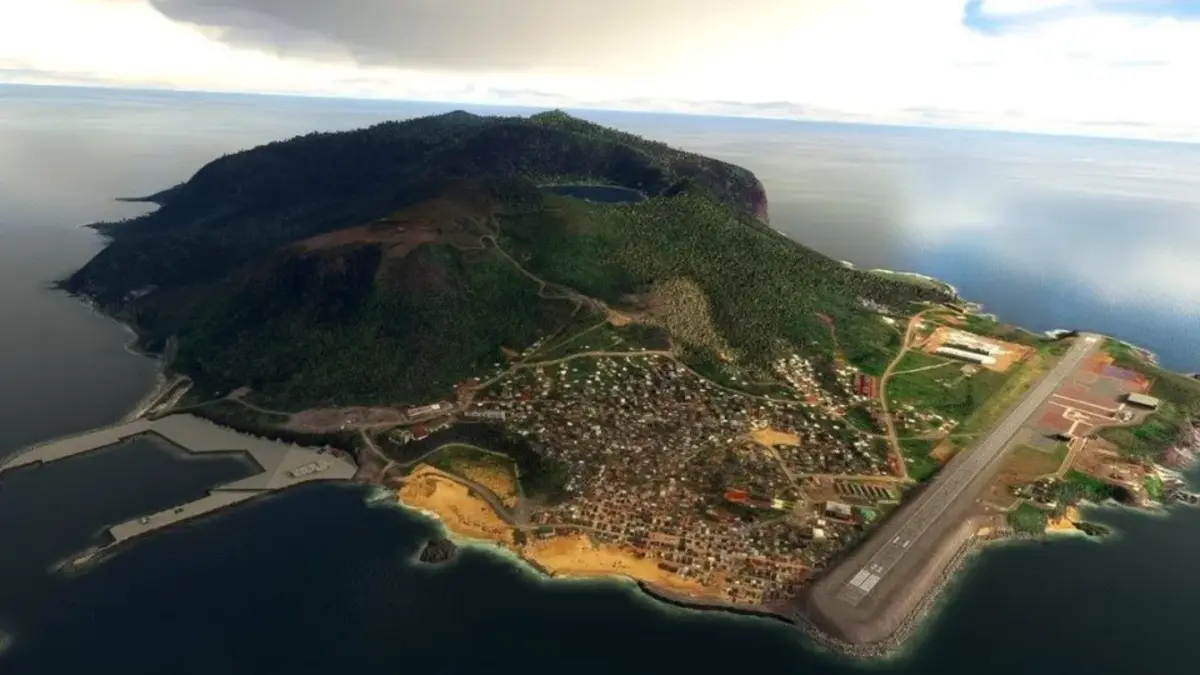
The name of the island refers to the day it was “discovered” by the Portuguese: January 1, 1473. It is believed that it was uninhabited until then. From the following year, it began to receive slave ships departing from Angola and São Tomé, becoming integrated into the slave trade route.
This miscegenation resulted in a unique culture and the creation of a distinct language: Annobón Creole. Today, the language is spoken by about 7,000 people on the island itself and in Bioko, another part of Equatorial Guinea.
In 1778, an agreement between Portugal and Spain — the Treaty of El Pardo — transferred Annobón to Spanish dominion. The island’s residents resisted the new administration but eventually became incorporated into Spanish control, governed from Buenos Aires.
From Spanish Dominion To Independence
In the 19th century, Spain resumed direct control over Annobón. This lasted until 1968, when Spanish Guinea became independent and was renamed Equatorial Guinea.
The first president, Francisco Nguema, proclaimed himself for life, ruling with an iron fist until he was executed by his nephew, Teodoro Obiang Nguema Mbasogo, the current president of the country.
According to Orlando Lagar, the current government maintains repression over the island. In 1993, the population rebelled and was brutally suppressed. After international pressure, political prisoners were released. Nevertheless, the atmosphere of oppression continued.
Political Use Of Lusophone Culture
In 2006, Annobón was a key player in Equatorial Guinea’s entry into the Community of Portuguese Language Countries (CPLP), despite opposition from several nations due to reports of human rights violations in the country. The maneuver was made possible thanks to the island’s cultural heritage linked to Portuguese.
In 2014, Equatorial Guinea made Portuguese one of its official languages, alongside Spanish and French. Despite this, in the continental part of the country, almost no one speaks the language, according to a report from Deutsche Welle.
The Lusophone culture of Annobón, therefore, has served more as a diplomatic instrument than as a valued heritage.
The Argentinian Turn
Even with this connection to Lusophony, the separatist movement of Annobón is now betting on rekindling ties with Argentina. The decision seems contradictory, since Equatorial Guinea was also a Spanish colony. However, the gesture appears to have had an effect.
Veterans of the 1993 uprising, Lagar and other movement leaders currently live in Spain. They are the main voices of the island’s international appeal.
Annobón Argentina? Maradona, BBQ, And Memes
Meanwhile, the Argentine internet has decided to turn Annobón into a symbol of national creativity.
Users have started editing digital maps of the island, inserting Argentine cultural references, such as statues of Diego Maradona, Maradonian churches, steakhouses, and even a replica of the Bombonera, home of Boca Juniors.
In the last referendum on the Falklands, 99.8% of the local population voted to remain a British territory. Meanwhile, Annobón, despite the geographic distance, has gained more Argentine presence — at least on Google Maps.
With information from UOL.





-

1 person reacted to this.