






 Portuguese
  Spanish


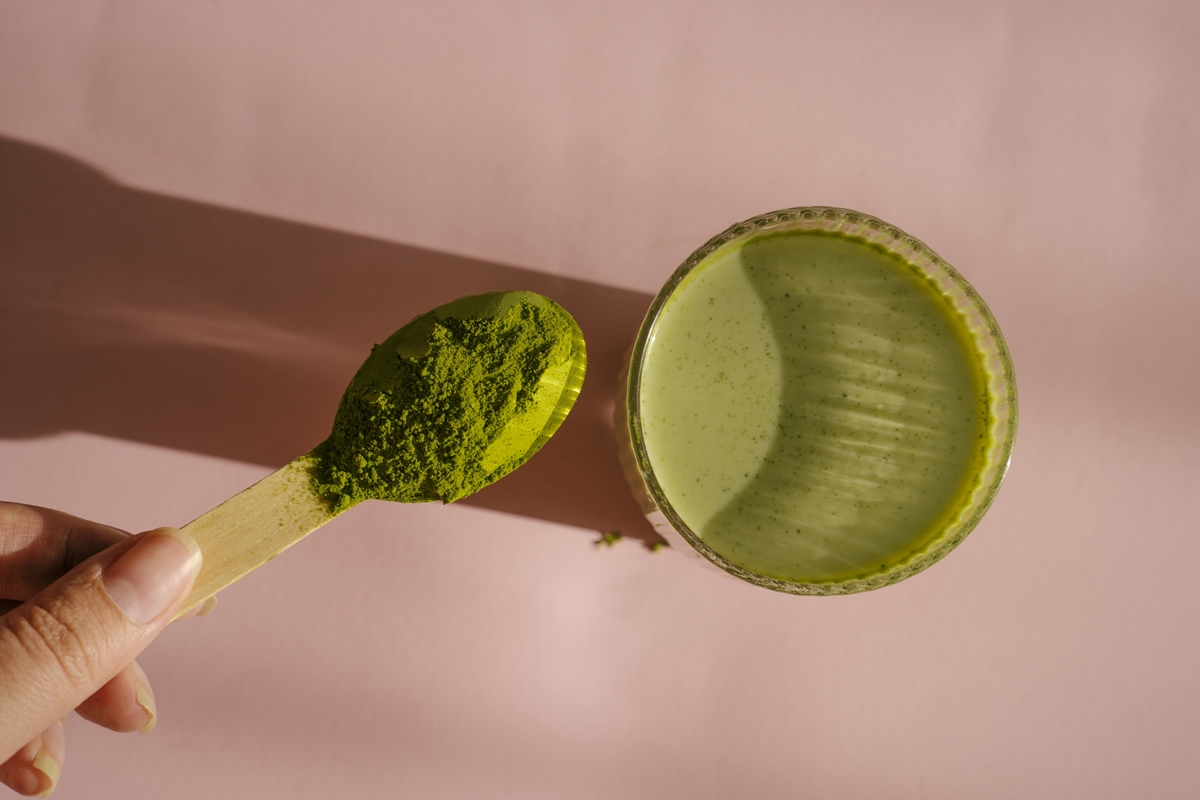


Matcha Surpasses Japanese Tradition and Gains Ground in Lattes, Cakes, and Cosmetics. Discover the Behind-the-Scenes of This Global Phenomenon.
Global consumption of matcha has skyrocketed, putting pressure on traditional Japanese production and leading to product shortages.
Social media, tourism, and adverse weather conditions have driven demand. Farmers are facing smaller harvests, and stocks are quickly dwindling, driving prices up.
While producers race to meet market demand, experts advocate for conscious consumption to preserve the tradition and quality of the tea.
-
Nivea Blue Tin Cream: Popular Post-Beach and Pool, But Pharmacist Warns About Missing Ingredients and Common Summer Mistakes Regarding UVA and UVB Protection.

-
Archaeologists Recover Colossal Structure Lost for Over 1,600 Years Under the Sea, Including 22 Monumental Blocks Weighing Up to 80 Tons, Intriguing Experts.
-
Longest Solar Eclipse of the Century Will Turn Day to Night for Over 6 Minutes, Allowing Star Gazing; Won’t Recur for 156 Years
-
At 17, she hand-painted her first watercolor design for school uniforms; her brand grew without investors, sold 135,000 pieces, and aims for $3 million in revenue by 2026.


Matcha on the Rise: Japanese Tradition Pressured by the Global Fever
What was once a traditional Japanese ritual has become a global phenomenon. Matcha, powdered green tea cultivated for centuries, is being consumed on a large scale around the world.
Driven by social media, especially on TikTok with the hashtag #MatchaTok, demand exploded in 2024.
Tourists, influencers, and health-conscious consumers have boosted the search for matcha in the UK, the United States, Singapore, and Brazil.
As a result, stocks are running low. It turns out that matcha is not a quickly produced product: its cultivation requires time, technique, and specific conditions. And this is exactly where the problem lies.
Extreme Weather and Labor Shortages Affect Production
In the Kyoto region, the birthplace of the most valued matcha in Japan, heatwaves have damaged entire harvests.
In Uji, a city famous for tea, stores have empty shelves before noon. According to Atsuko Mori, director of the Camellia Tea Ceremony shop, the number of visitors has doubled in a year, forcing the store to limit sales to one can per person.
The shortage of farmers is another aggravating factor. With the aging Japanese population and few young people willing to continue in agriculture, production is insufficient to meet the new global demand.
Prices Rise and Exports Soar
With supply compromised, matcha prices have skyrocketed. At Chazen stores, prices rose by 30% just this year.
Tea master Rie Takeda states that today orders take weeks to be delivered, something unthinkable before.
According to Japan’s Ministry of Agriculture, matcha production tripled between 2010 and 2023. Exports also rose by 25% in the last year, totaling 36.4 billion yen (approximately US$ 1.39 billion).
Matcha has become one of Japan’s main export products in the food sector.
Conscious Consumption and Protection of Tradition
With the boom, a parallel movement emerges to curb waste and promote conscious consumption. Experts and Japanese associations warn against the improper use of premium matcha in recipes or resale.
The Global Japanese Tea Association recommends prioritizing culinary matcha, made from leaves from late and more abundant harvests, for recipes.
This helps protect ceremonial matcha, which should be enjoyed pure, in traditional rituals.
U.S. Tariffs May Aggravate the Crisis
Another factor that could worsen the situation is the new 15% import tariff that the United States will impose on Japanese products.
Lauren Purvis, a matcha distributor in Oregon, reports that orders grew 70% at the beginning of July, before the tariff took effect.
“We hope there will be recognition that special tea should be exempt.” She argues. This measure could further increase prices for the end consumer.
The Future of Matcha: Between Trend and Tradition
Matcha has conquered the world with its vibrant color, complex flavor, and promises of well-being. But now it faces the challenge of staying true to its roots while meeting growing global demand.
The path lies in balancing conscious production, respecting Japanese tradition, and responsible consumption.
Meanwhile, producers and consumers continue to seek the ideal point between savoring and preserving matcha.


tomaria matcha todo dia sabe
nossa que maravilha, eu amo tanto matcha