






 Portuguese
  Spanish
  4 min of reading
  0 comments


Chinese Investments in Ports Like Paranaguá and Santos Raised an Alert in Washington: Understand Why the U.S. Fears China’s Growing Influence on Brazilian Infrastructure and What Is at Stake in the South Atlantic.
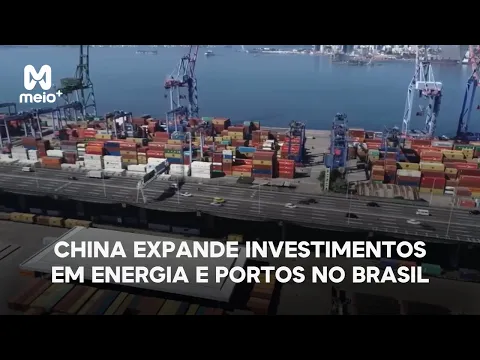
Few people realize, but a silent movement along the Brazilian coast is catching Washington’s attention. In recent years, Chinese state-owned companies have purchased strategic stakes in ports such as Paranaguá, Santos, and Itaqui, investing billions of dollars in infrastructure that goes far beyond the shipment of soybeans and iron ore.
For the United States, this advance may seem just a boost in trade, but there is a strategic component: those who control the ports also control data, logistics, and, ultimately, influence over South Atlantic routes.
China Is Already in Paranaguá, Santos, and Targeting Northern Brazil
The milestone of this presence was in 2017, when the state-owned China Merchants Port acquired 90% of the Paranaguá Container Terminal (TCP) in Paraná, in a transaction of nearly US$ 1 billion. In Santos, the agricultural giant Cofco International built its largest export terminal outside of Asia, with the capacity to handle millions of tons of grains per year.
-
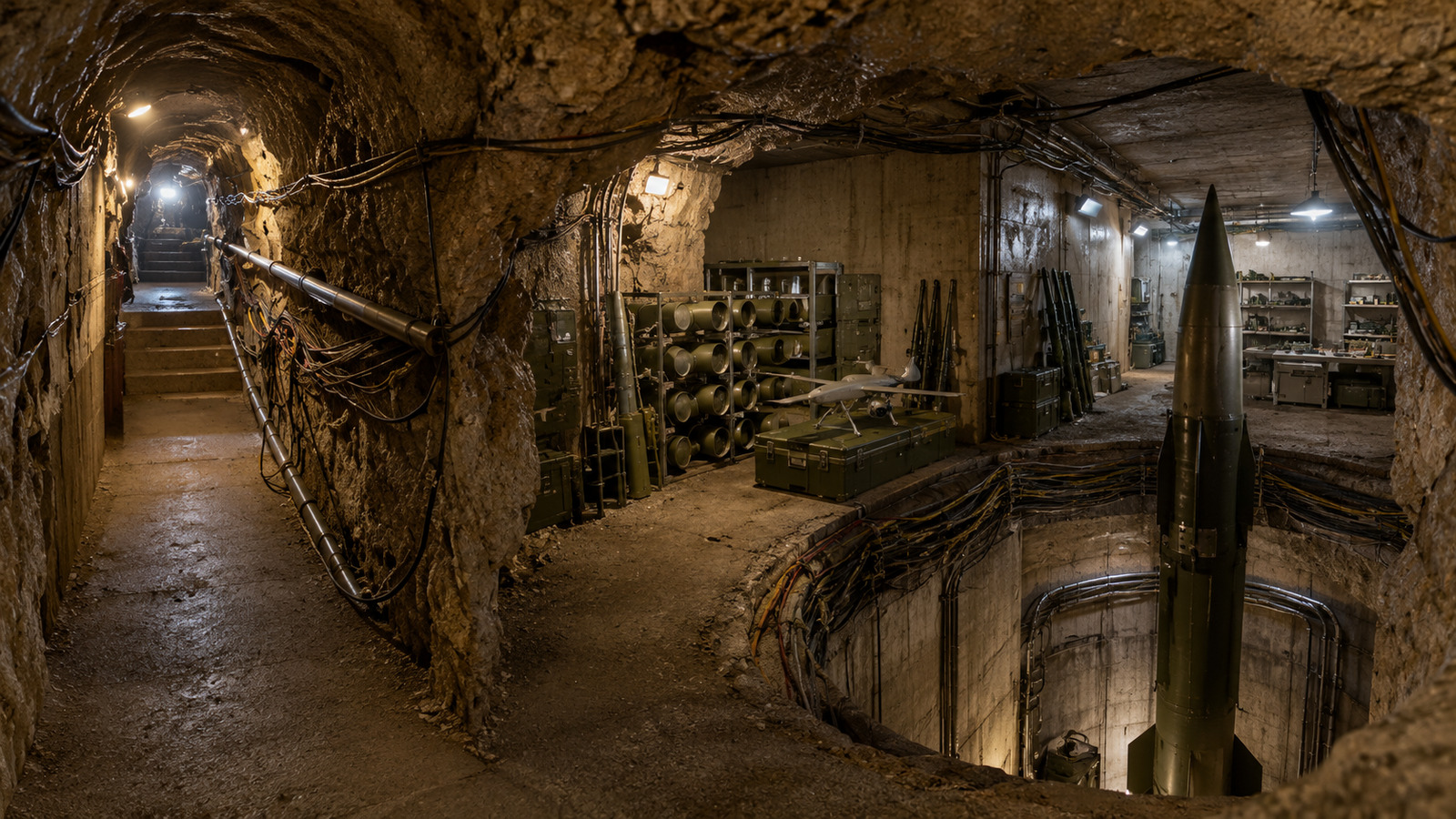
Israel finds Hezbollah militarized tunnel over 200 meters long under village, with 4 missile launch shafts, 12 chambers, anti-tank missiles, drones, and weapons depots at a depth of 25 meters.

-
Ukraine launches largest drone attack on Moscow since 2022, Russia claims to have intercepted nearly 200 aircraft near the capital, Kapotnya refinery targeted again, and offensive reignites alert about war reaching the Russian energy heart just a few kilometers from the Kremlin.

-
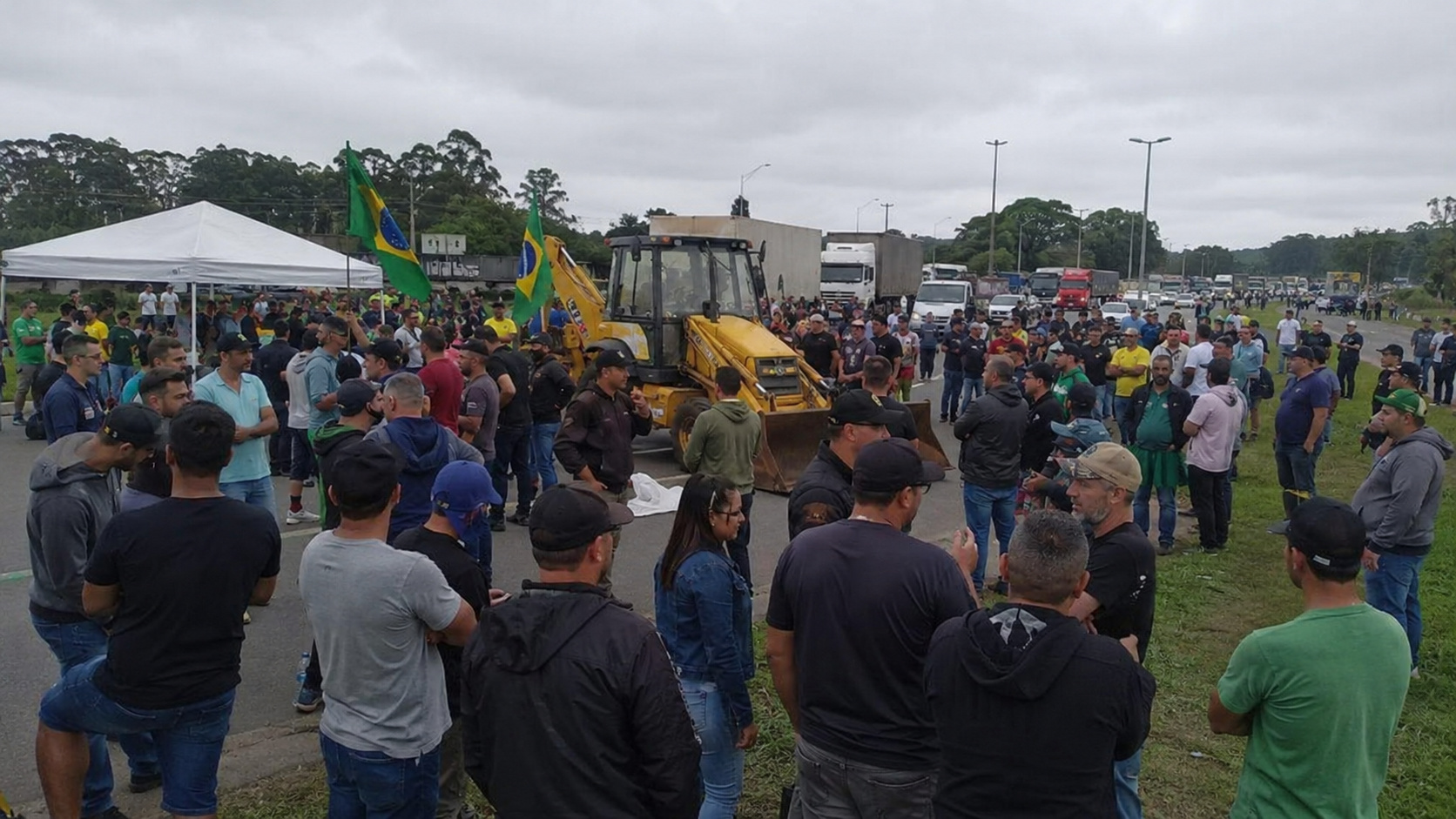
Truck drivers, freight, and fines from 2022 take center stage in politics: Chamber approves MP with amnesty, mandatory tracking by CIOT, million-dollar penalties, and new minimum wage for those who spend more than 24 hours on the road.

-
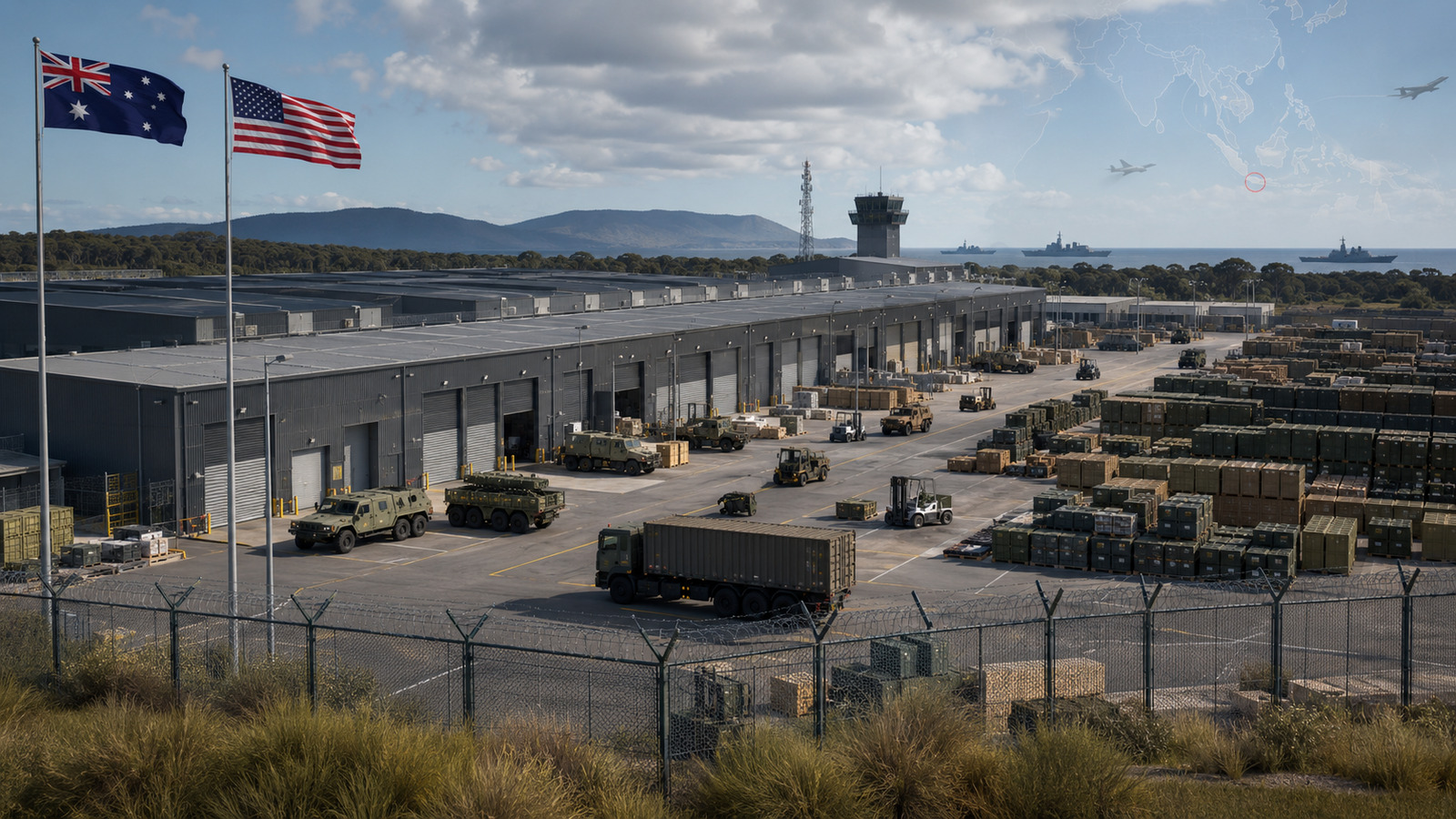
China off the radar: US plans mega $30 million weapons depot in Australia, out of reach of most Chinese missiles, with full capacity expected by 2028

And it doesn’t stop there: there are negotiations and studies for investments in ports in the North and Northeast, such as Itaqui in Maranhão, which is considered one of the main exits for the flow of Brazilian commodities to Asia.

These movements are not isolated. They are part of a global strategy that China has been applying for over a decade: investing in ports, railroads, and waterways around the world to ensure stable supply chains and increase its economic influence. The problem is that for Washington, logistical infrastructure is not just trade. It is a matter of national security.
What Concerns the United States?
More than 95% of Brazil’s foreign trade passes through ports. This means that any actor with significant influence over terminals and maritime transport systems can, in theory, control the speed of shipments, collect data on loads, and map logistical flows.
For American analysts, this gives Beijing a sort of “Port Soft Power”: an indirect power that can be used to pressure governments, access information, and even, in extreme scenarios, influence military operations.
The concern is not new. The CSIS (Center for Strategic and International Studies) has identified 37 port projects connected to Chinese companies in Latin America. In recent reports, the think tank highlights that port management software, cargo tracking systems, and maritime sensor networks can serve as sources of valuable intelligence.
In Washington, military and strategic analysts recall the example of the Hambantota port in Sri Lanka, where China invested billions, gained long-term control, and years later began using the facility as a logistical support point for ships.
Data Shows the Scale of Chinese Investments in Brazil
Between 2007 and 2023, Chinese companies injected more than US$ 71 billion into Brazil, according to international investment reports. In the infrastructure sector alone, the amounts jumped from isolated projects to billion-dollar investments: in addition to ports, there is Chinese presence in railroads, power transmission lines, and even 5G technology projects.
The strategy is clear: to create logistics corridors that connect agricultural and mineral production areas directly to ports controlled by Chinese companies, ensuring efficiency for exports to the other side of the world.
This money is welcome in Brazil, which has a historical infrastructure deficit. But the concentration of investments from a single partner raises questions. Data from the Itamaraty shows that China is the destination of more than 30% of the soy exported by Brazil and one of the largest buyers of iron ore and oil. Now, in addition to being a buyer, it is also an operator of part of the exits of these goods.
Brazil Is in the Middle of a Geopolitical Board
For the United States, Chinese advances in Brazilian ports are another chapter in a dispute that has lasted for years. Washington fears losing ground not only in trade but also in political and strategic influence over Latin America.
This explains why the topic has begun to appear in reports from the American Department of Defense and in maritime security analyses.
Brazilian analysts, however, warn of the risk of simplification. Not all Chinese investments have military connotations, and much of the funding is motivated by a commercial logic: to ensure the flow of grains and raw materials that feed the Chinese industry. But the question remains: to what extent can Brazil balance the interests of two giants without becoming a hostage to one of them?
And Now? What Could Happen in the Coming Years?
The competition for port concessions in Brazil is expected to intensify. There are auctions planned, modernization projects underway, and a global race for food, energy, and strategic minerals. The U.S. may try to regain ground with its own investments, while China is likely to further increase its presence.
For Brazil, the issue is delicate. We need foreign capital to modernize ports and railroads, but we also need a diversity of partners to avoid falling into dependency. The debate goes far beyond numbers: it involves sovereignty, security, and the future of our position on the global map.
Perhaps, in a few years, when a container leaves Paranaguá headed for the world, the question that will linger is not just who bought the load—but who truly controls the door through which it left.





Be the first to react!