Portuguese
  Spanish


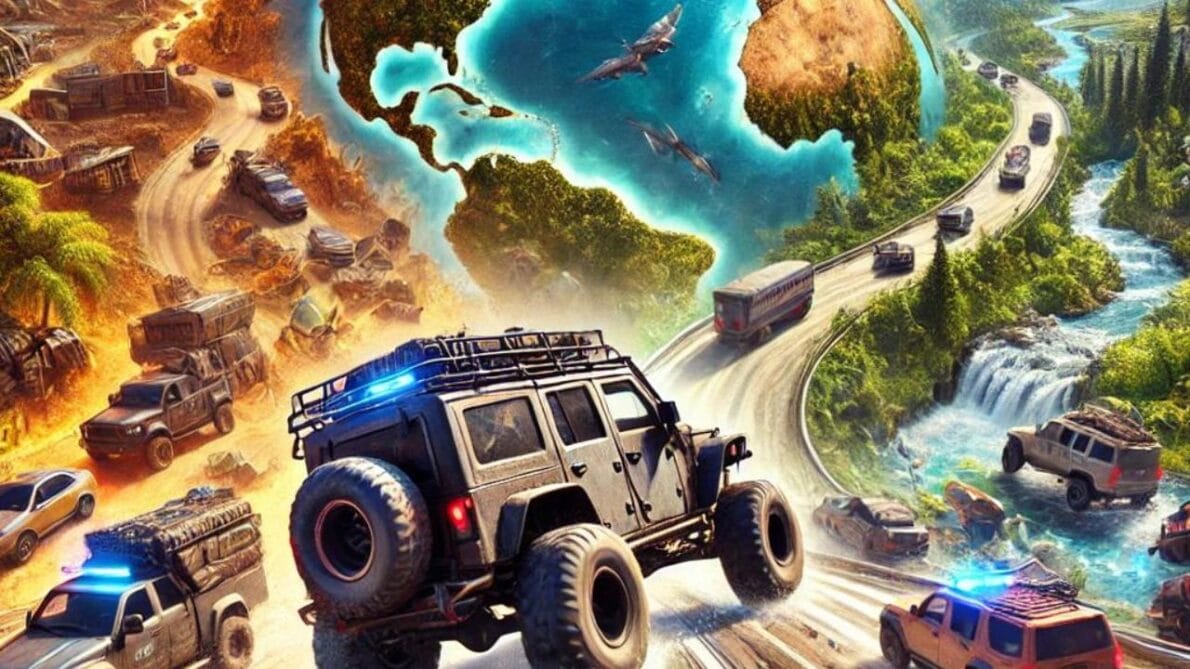


Driving Through The Americas Is A Dream For Many Adventurers, But The Reality Is Much More Complicated.
Driving through the Americas may seem like the perfect adventure, but a gigantic obstacle makes this crossing practically impossible. The Darien Gap, between Panama and Colombia, is a natural barrier that challenges even the most experienced. Will we ever have a safe route connecting the two continents?
Driving through the Americas sounds like an epic adventure. Imagine starting from the far north of North America and driving to the southern tip of South America. However, this journey becomes impossible due to a colossal obstacle: the Darien Gap. Located between Panama and Colombia, this impassable area is known for its dense tropical forests, swamps, and winding rivers.
The Darien Gap stretches approximately 160 km, with lush vegetation and a rugged topography that hinder any attempt to build roads. The trees reach impressive heights, and the rich biodiversity turns the area into a true natural maze. In addition, the flooded swamps and rivers complicate navigation and infrastructure development.
-
The Port of Itaqui closes the best first semester in history with over 17 million tons and takes off as the locomotive of the Northern Arc.

-
Brazil’s North-South Railway to Auction Two Grain Terminals in Central Tocantins

-
AI-powered traffic cameras in São Paulo now issue fines for cellphone use and seatbelt violations around the clock

-
Free Upgrade to Professional Driver’s License Categories in Over 130 Locations in Brazil, Including Exams and Courses



Largest Project To Connect The Americas By Car Is The Pan-American Highway
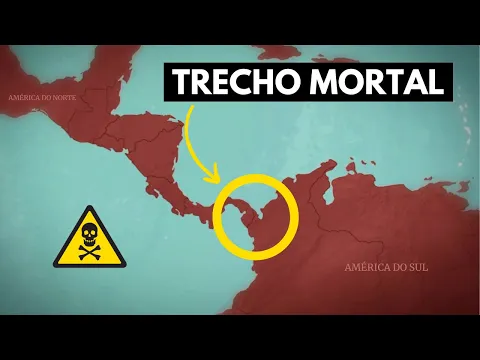

The largest project to connect the Americas by car is the Pan-American Highway, which aims to connect North America to South America. However, this dream has never been fully realized due to the challenges in the Darien Gap. Historically, the region has always been viewed as a natural barrier, and attempts to overcome it have faced resistance from governments and local populations. Lack of coordination between the countries involved, high costs, and potential environmental damage are some of the main obstacles.
The wildlife in Darien also poses a significant danger. The area is home to jaguars, venomous snakes, and other animals that make the crossing even riskier. The unstable weather, with torrential rains, can turn the terrain into a dangerous mudslide. Reports from people who have attempted to cross the region mention attacks from wild animals and criminal activities, as well as the risk of tropical diseases like malaria and dengue.
Safer Options Include Maritime And Air Transport
Despite the risks, some people still attempt to cross the Darien Gap. Safer options include maritime and air transport. Boats and ships can carry people and vehicles, bypassing the dangerous region, while flights connect cities in Colombia and Panama. However, these alternatives can be expensive and time-consuming.
The idea of a continuous land route between North America and South America continues to be debated. Proposals include the construction of a tunnel or a bridge, but these projects face the same challenges of cost and environmental resistance. Improving maritime and air routes may be a viable solution, although it does not solve the problem of the lack of a land connection.
Ultimately, many argue that the best solution is to leave the Darien region untouched. The environmental cost of any construction would be high, and the unique biodiversity of the area deserves protection. Meanwhile, crossing the Americas by car remains an almost impossible challenge, waiting for potential technological advancements and greater international cooperation to find a viable solution in the future.
Source: Urbana/UOL