






 Portuguese
  Spanish
  4 min of reading
  0 comments


The Port of Açu and Sempen Signed a Contract for the Construction of a Green Ammonia Industrial Facility, Strengthening the Commitment to Energy Transition in Brazil.
To support the energy transition and reduce industrial emissions, the Port of Açu and Sempen signed a contract in March 2024 to enable the construction of a green ammonia industrial facility. This initiative represents a significant step in establishing Brazil as a global reference in renewable fuels. Additionally, the partnership highlights the importance of investing in clean energies, considering the growing global interest in reducing carbon emissions.
Expansion of the Green Hydrogen Market
The plant will have the capacity to produce 1 million tons of green ammonia per year. Furthermore, the final investment decision is expected to occur between 2027 and 2028, and operations may start by 2030, depending on regulatory processes and market developments.
According to Sempen representatives, Brazil has strategic advantages for the production of sustainable fuels due to its renewable energy matrix and access to biogenic CO₂. These factors enhance Brazil’s competitiveness in the global green hydrogen market and its derivatives. Thus, the production of green ammonia can help expand the country’s participation in the clean energy sector.
-
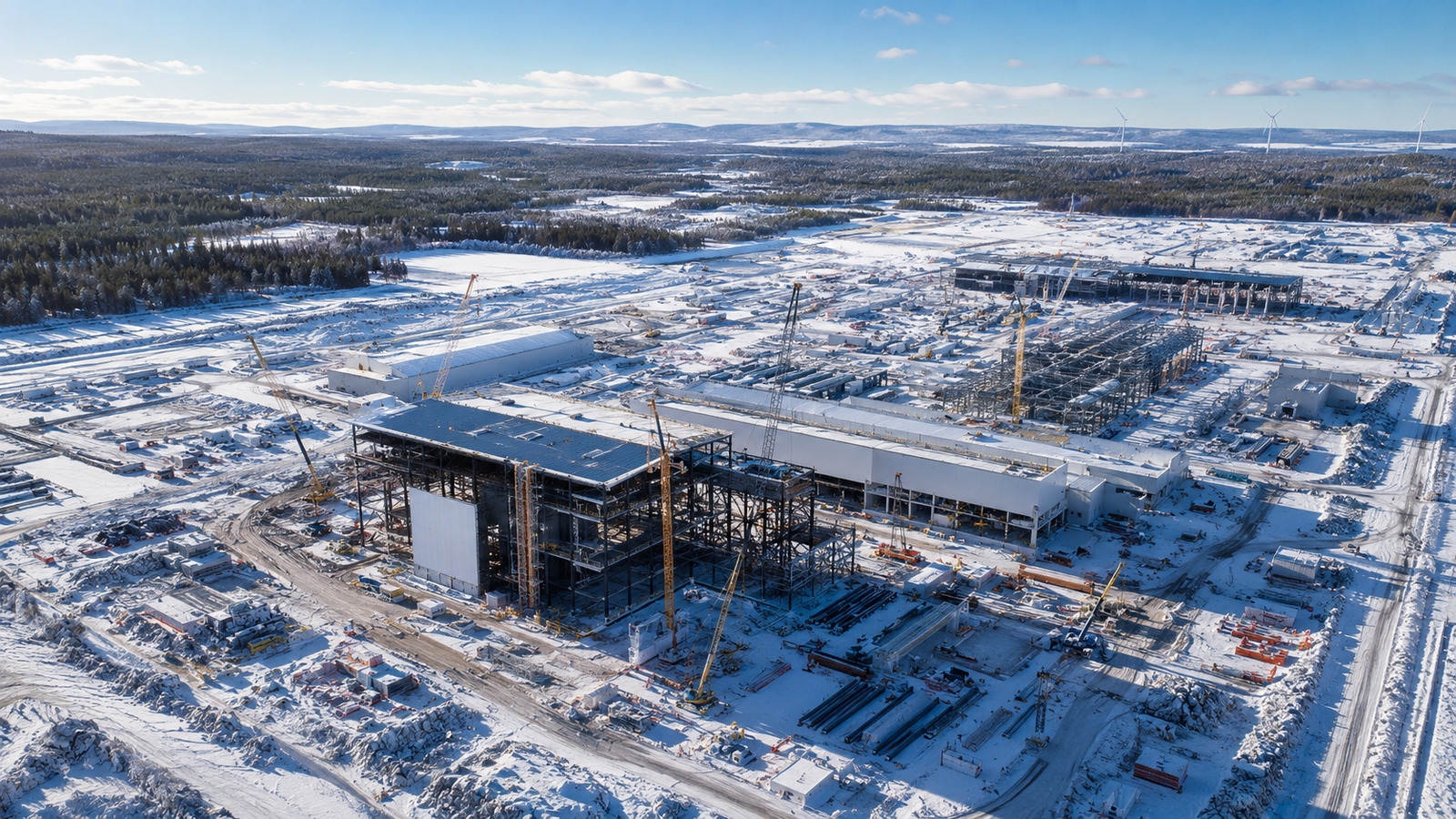
US$ 7 billion, green hydrogen, and steel with up to 95% less CO₂: the first green steel plant on the planet emerges in Sweden and targets Brazil as the next chapter

-
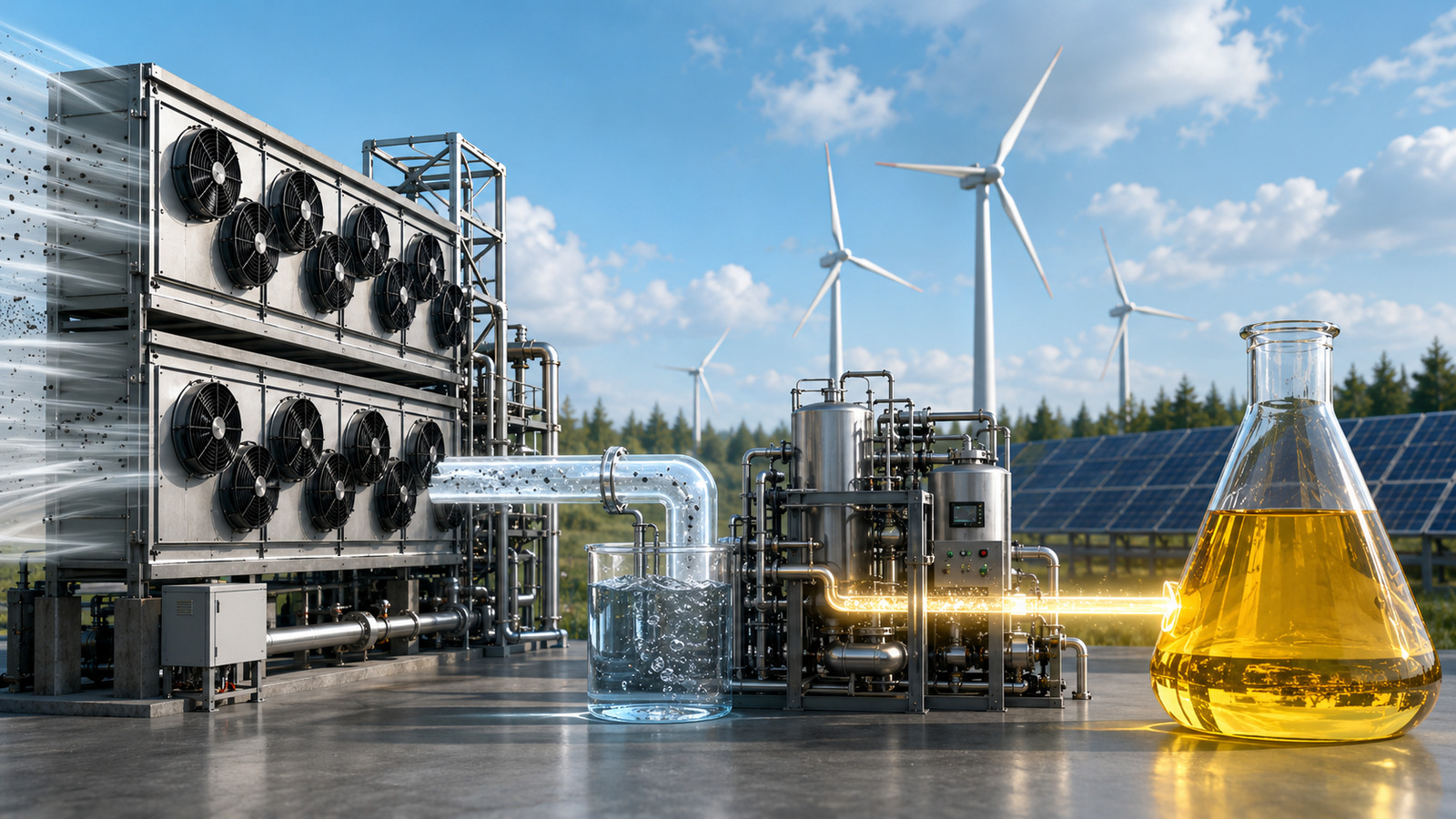
Swedes manage to create synthetic fuel with CO₂, water, and renewable energy, compatible with current engines, but face a huge problem: the energy expenditure is still double the return.
-
Brazil begins to transform wheat, residues, sweet potatoes, and soy molasses into ethanol, in a new phase of biofuels that seeks to utilize leftovers from the field and industry to fuel flex-fuel cars.

-
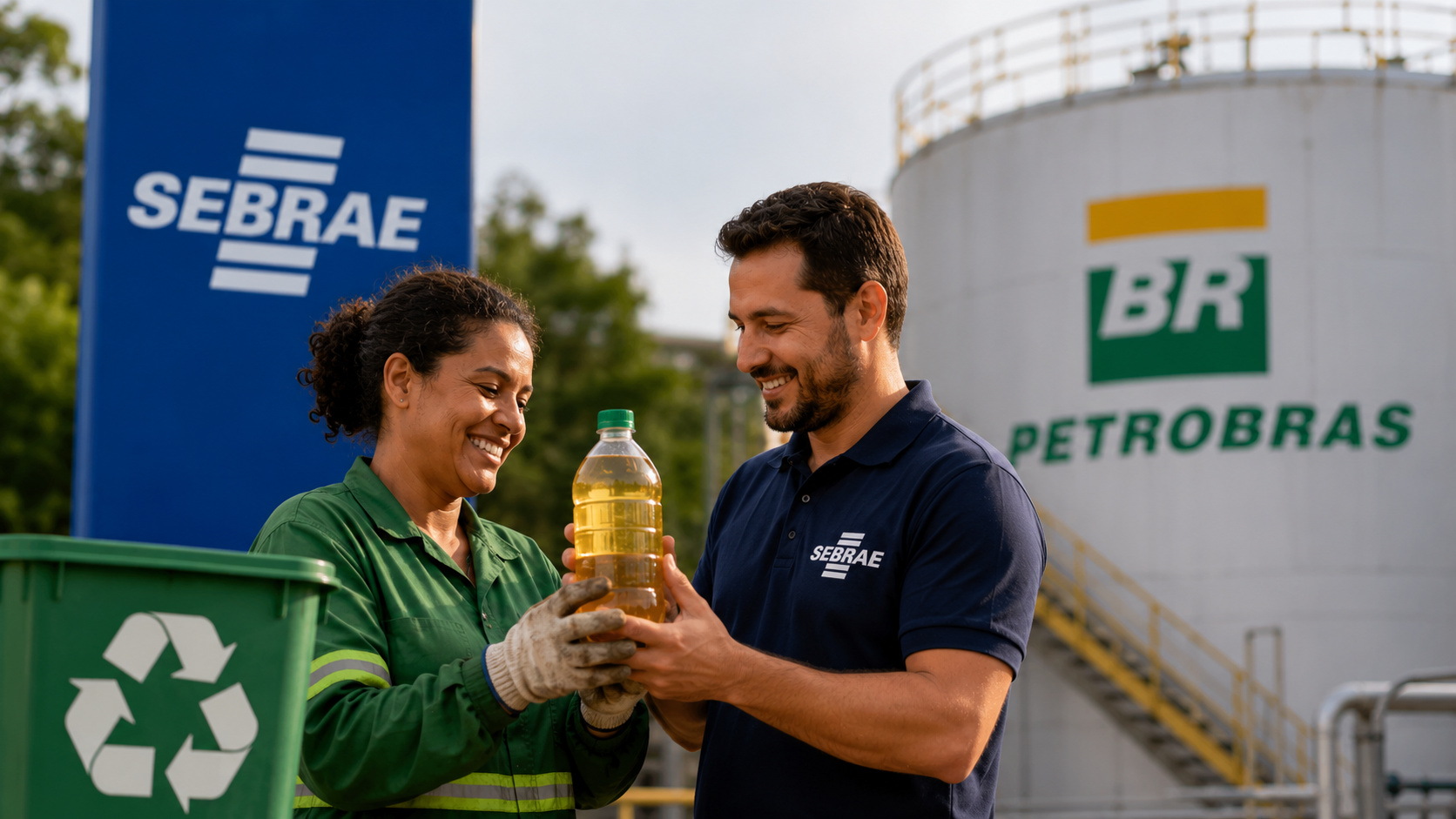
Sebrae and Petrobras join forces in Ceará to include waste pickers in the circular economy and strengthen the biofuel chain, creating new income opportunities and expanding the sustainable use of waste with a direct impact on regional development.


Port of Açu as a Sustainable Energy Hub
The Port of Açu has been continuously investing in infrastructure to strengthen its role in the renewable energy sector. In addition to the contract with Sempen, the port already has three other low-carbon hydrogen projects developed by companies such as:
- Fuella
- HIF Global
- Yamna
In this way, the Port of Açu aims to establish itself as a strategic center for attracting investments and developing new technologies in the global energy transition.
Infrastructure and Competitiveness in the Energy Sector
According to Mauro Andrade, Executive Director of Business at Prumo Logística, the controlling company of the Port of Açu, the available infrastructure facilitates the entry of investors. The adopted model allows companies to use storage terminals and other services without the need for additional investments in infrastructure, resulting in:
- Optimization of Operational Costs
- Reduction of Risks for Investors
- Agility in Project Implementation
With this approach, the Port of Açu seeks to attract more companies interested in renewable energy projects, contributing to the energy transition and sustainable development.
Planning and Licensing for Green Ammonia Production
To ensure the viability of the projects, the Port of Açu has already initiated the environmental licensing of 1 million square meters at the beginning of 2024. There are also plans to expand this area to 3 million square meters, creating a favorable environment for the production of green hydrogen and its derivatives.
Moreover, studies conducted by Prumo Logística analyzed fundamental aspects such as:
- Capacity of the Local Electric Transmission Network
- Availability of Water for Industrial Processes
- Potential for Biogenic CO₂ in the Region
These elements are essential for the viability of the green ammonia project, ensuring its sustainability and economic efficiency.
Brazil in the Global Energy Transition
The growing global demand for clean energy has driven the development of green hydrogen and green ammonia projects. Brazil, with its predominantly renewable energy matrix, positions itself as one of the countries with the highest potential to meet this demand. Furthermore, the continuous advancement in infrastructure and technology contributes to enhancing the country’s competitiveness in the sector.
The Port of Açu, due to its strategic location and operational capacity, plays a crucial role in this context. Additionally, the partnership with Sempen and other companies in the sector reinforces the commitment to industrial decarbonization and technological innovation, allowing Brazil to move towards a low-carbon economy.
Applications and Impact of Green Ammonia on the Global Market
Green ammonia has great potential for various sectors of the economy, including:
- Chemical Industry
- Fertilizer Production
- Renewable Energy Generation
- Low-Emission Maritime Transport
Thus, the transition to low-carbon fuels has become an essential priority for companies and governments worldwide. Additionally, projects like the one at the Port of Açu, for instance, play a fundamental role in the global strategy, as they contribute to energy diversification and, consequently, to reducing dependence on fossil fuels.
The partnership between the Port of Açu and Sempen represents a significant advancement in the production of green ammonia in Brazil. Moreover, with an already established infrastructure and a well-structured strategic planning, the port complex further strengthens itself as a reference hub. In this way, its contribution to the global energy transition becomes even more relevant.
The project has the potential to contribute to the decarbonization of the industry and to the sustainable development of the Brazilian economy. Furthermore, it reinforces Brazil’s position as a supplier of clean energy to the international market. The commitment to sustainable projects solidifies the country’s presence in the renewable energy sector, aligning with global goals for emission reduction and technological innovation.







Be the first to react!